Fundamentals
Barrel-Finished Bourbon: What a Second Cask Really Does
Port, sherry, rum and toasted oak finishes — where the flavor comes from, and how to spot a finish covering for young whiskey.
Eleanor Hayes
Master Distiller, Bourbon & Oak

Bourbon has one non-negotiable rule about wood: it must be aged in new charred oak containers. That single requirement is why bourbon tastes the way it does — a fresh barrel gives up far more vanillin, caramelized sugar and tannin than a cask that has already held whiskey once. It is also why finishing was, for most of bourbon's modern history, a rarity. If new oak is mandatory, what exactly do you do with a second barrel?
The answer that the industry settled on is straightforward. The whiskey completes its bourbon maturation in new charred oak, satisfying the standard of identity. Then, already fully bourbon, it is moved into a second cask — one that previously held port, sherry, rum, maple syrup or almost anything else — for a comparatively short additional stay. Regulators require the finish to be disclosed, which is why these bottles carry a phrase like finished in port barrels rather than hiding it in the small print.
What Actually Happens in the Second Cask
Three things, in rough order of importance. First, the whiskey extracts whatever the previous occupant left behind. A port pipe holds several litres of wine soaked into the staves; the bourbon pulls that out, which is where the red-fruit, raisin and cocoa notes come from. Second, the wood itself contributes — a European oak sherry butt has a different tannin and spice profile from American white oak, drier and more astringent. Third, ordinary maturation continues: oxidation softens the spirit, and evaporation concentrates it.
The timescale is short by bourbon standards. A finish is typically three to eighteen months, against eight or twelve years in the primary barrel. That ratio matters. Finishing is a seasoning step, not a second act, and the honest ones read that way: you should still recognise the base bourbon underneath.
The Finishes You Will Actually Meet
- Port: red fruit, raisin, cocoa and a rounder mouthfeel. The most forgiving finish, and the most common.
- Sherry: dried fig, orange peel and nuttiness from oloroso; brighter, saline notes from fino. European oak adds drying tannin.
- Rum: tropical fruit, banana and extra sweetness. Can tip into cloying when the base bourbon is already corn-heavy.
- French oak wine casks: firm tannin, structure and a slightly grippy finish. Good with high-rye bourbons that can carry it.
- Toasted new oak: baking spice, hazelnut and deep caramel. No fruit, because there is no previous liquid to draw on.
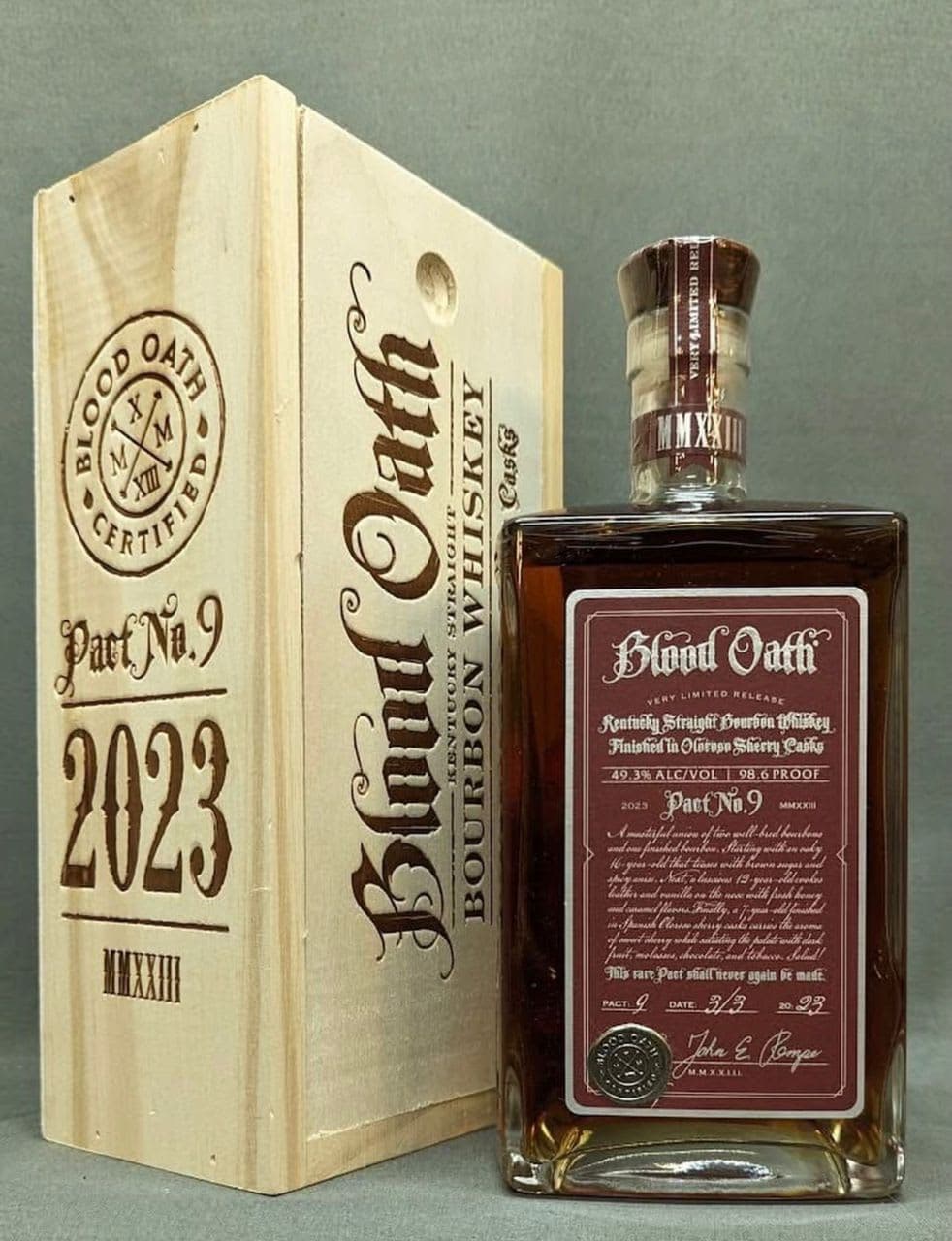
In our catalogue, Blood Oath is the clearest working example — a series built around marrying mature bourbons and, in most releases, a finishing cask chosen to fit that year's blend. It is deliberate about disclosing what it did, which is exactly the behaviour worth rewarding.
When Finishing Is Covering Something Up
This is the part worth being clear-eyed about. A heavy finish is very good at masking a young, thin or hot spirit. Port and rum in particular add sweetness and body that can paper over a whiskey which spent three years in the barrel rather than eight. The finish is not the problem; the silence around the base whiskey is.
- Look for an age statement on the base bourbon. A brand proud of the underlying whiskey will tell you how old it is before it mentions the finish.
- Be wary when the finishing cask is the loudest thing on the label — larger type for the wine than for the whiskey is a tell.
- Check the finish duration if it is disclosed. Anything over two years is doing more than seasoning.
- Taste for the seam. In an over-finished whiskey the fruit sits on top of the bourbon rather than through it, and the two never quite meet.
- Distrust colour. Finishing casks darken whiskey quickly, so a deep mahogany bottle proves nothing about age.
Where Finished Bourbon Belongs
A good finished bourbon is one of the more rewarding pours in American whiskey, precisely because it is unusual. It also makes a strong entry point for someone coming from wine or rum, where those flavors are familiar. What it is not is a replacement for a great straight bourbon — and it is rarely the right bottle for judging a distillery's craft, because the finish sits between you and the house style.
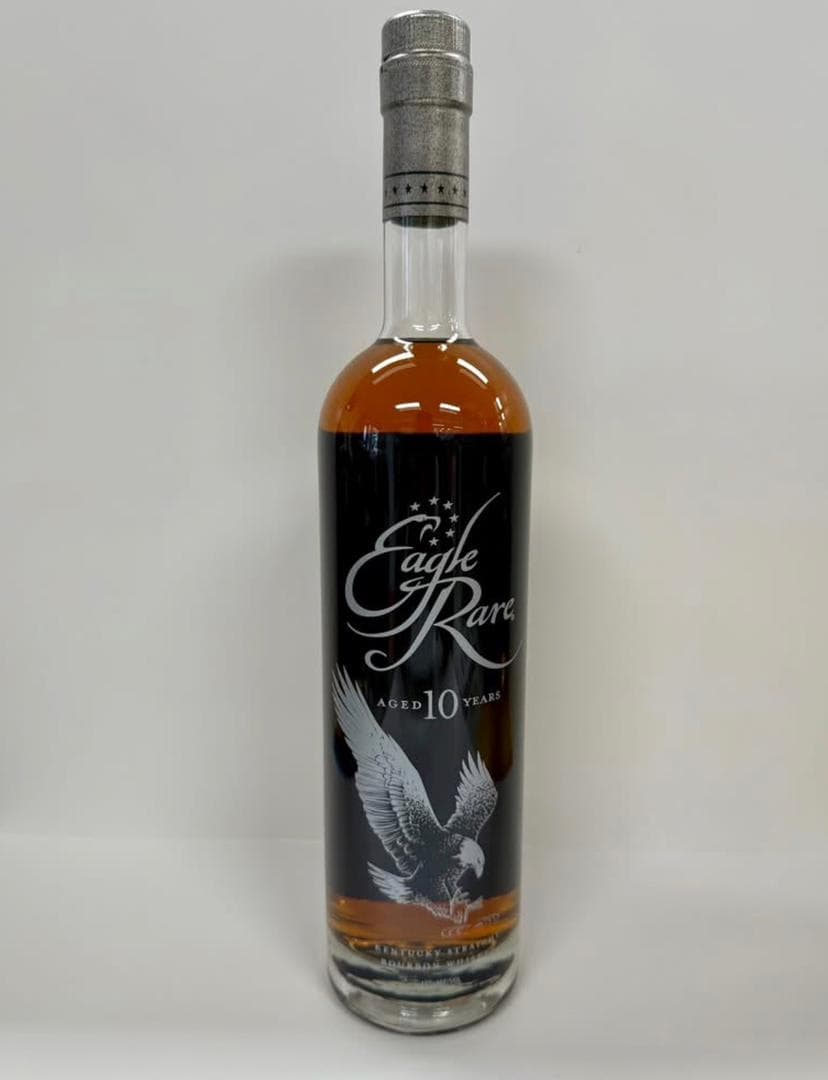
If you are building a shelf, treat finished bottles as accents rather than foundations. One or two alongside a traditional Eagle Rare 10 Year and a wheater will give you range without letting the wine casks take over. And when a finish is done properly — restrained, disclosed, and applied to whiskey that was already good — it earns its place easily.
Tagged
Common Questions
Frequently Asked
- Is barrel-finished whiskey still legally bourbon?
- Yes, provided the whiskey completed its maturation in new charred oak first, which is what the standard of identity requires. The additional cask is a finish applied afterwards, and U.S. labelling rules require it to be disclosed on the bottle.
- How long is bourbon usually finished for?
- Most finishes run three to eighteen months, against eight or more years in the primary barrel. Finishing is a seasoning step rather than a second maturation, and a disclosed finish longer than about two years is doing considerably more than seasoning.
- Can a barrel finish hide a young bourbon?
- It can. Port and rum casks add sweetness and body that mask a thin or hot young spirit. Look for an age statement on the base whiskey, and add a few drops of water — an over-finished bourbon tends to separate, with the fruit thinning out and raw grain showing underneath.