Stories
From the Distillery
Long-form writing from our master distiller and head bartender — single barrel picks, tested cocktail recipes, rickhouse architecture, and the patient art of Kentucky bourbon.
 Fundamentals
The Right Glass for Bourbon (and When It Genuinely Matters)
Glassware advice is where whiskey writing gets silliest. Shape does change what you smell, measurably — but only for some purposes. Here is what each glass actually does, and when a heavy tumbler is the correct answer.
Wyatt Brennan
Head Bartender, The Cellar at Bourbon & Oak
 Recipes
Five Winter Bourbon Cocktails Worth the Effort
Cold weather asks different things of bourbon: warmth, spice, and a little richness. Five drinks that reward a good bottle instead of burying it — with the technique that actually matters in each.
Read More Buying Guide
Who Actually Distilled Your Bourbon?
A great many bourbon brands do not own a still. That is not a scandal — some sourced whiskey is superb — but the label will tell you, if you know the six words to look for.
Read More Fundamentals
Barrel-Finished Bourbon: What a Second Cask Really Does
Finishing moves mature bourbon into a second cask for a few months. Done with restraint it adds a genuine new layer; done carelessly it is makeup on a young spirit. Here is how to tell which one you are buying.
Read More Fundamentals
Mash Bill: The Recipe That Decides How Your Bourbon Tastes
Every bourbon starts as a grain recipe, and most of what you taste was decided before the spirit ever touched oak. Here is what a mash bill actually is, the three archetypes worth knowing, and how to tell them apart blind.
Read More Buying Guide
How to Build a Bourbon Home Bar
A good home bar is not a wall of bottles. It is a short list that covers the sipping pour, the cocktail base, the crowd-pleaser and the one you open for something worth marking — and almost nothing else.
Read More Behind the Scenes
The Angel's Share: Why Age Costs What It Does
A Kentucky barrel gives up a meaningful share of its contents every year it sits. Compound that over fifteen years and the maths behind an old bourbon's price stops looking like greed and starts looking like arithmetic.
Read More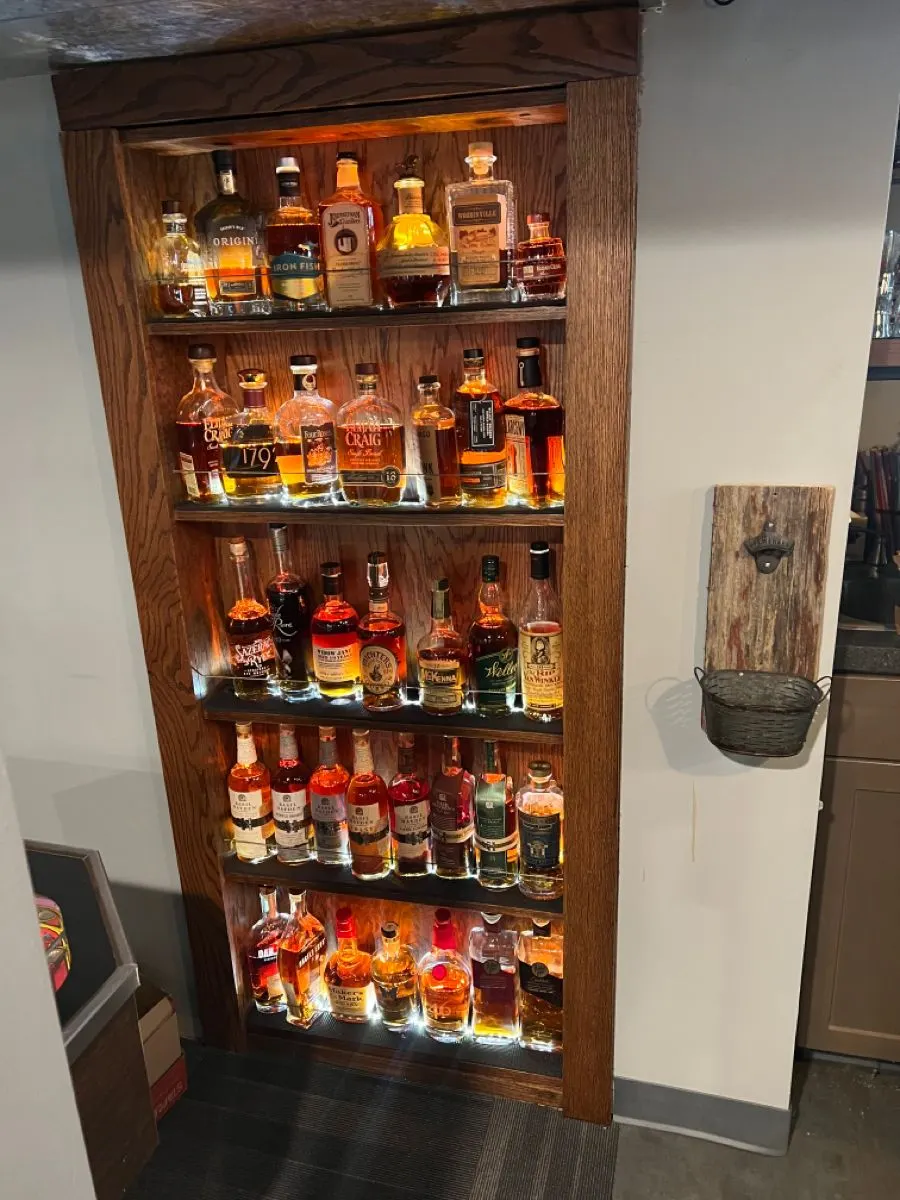 Fundamentals
Bourbon for Beginners: Your First Five Bottles
Most beginner guides list famous bottles you cannot buy. This one is a sequence: five widely available whiskeys chosen so that each teaches you something specific about what you actually enjoy.
Read More Buying Guide
Allocated Bourbon: Why You Can't Just Buy It
Allocated does not mean rare by design. It means a decision made a decade ago about how many barrels to fill, meeting demand nobody forecast. Here is how allocation actually works, and how to buy well inside it.
Read More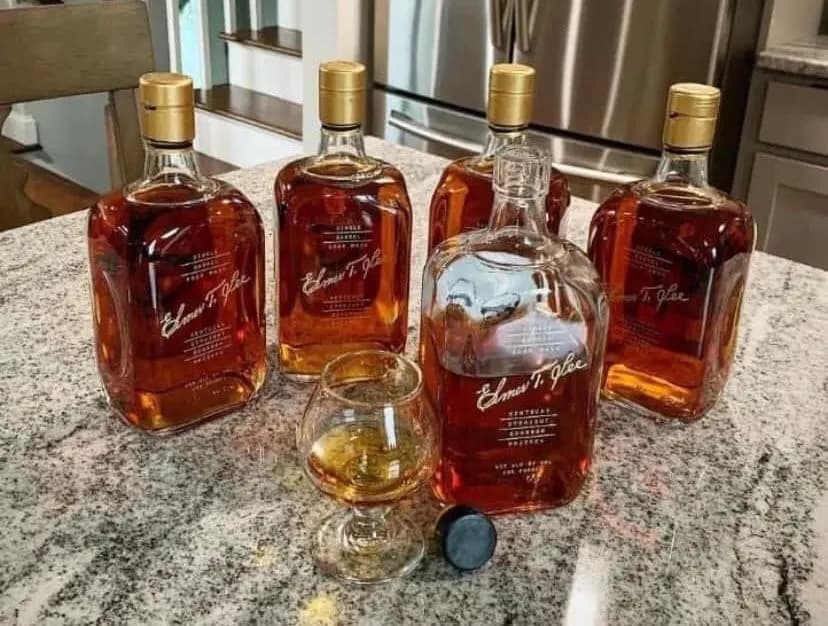 Recipes
Bourbon and Food: What Actually Works
Most pairing advice is a list of things somebody once enjoyed. This is the mechanism instead: why proof matters more than flavour notes, which foods flatten whiskey outright, and the three pairings worth building a dinner around.
Read More Buying Guide
Single Barrel vs Small Batch: Which Should You Buy?
Small batch has no legal definition and never has — it has been used for four barrels and for four hundred. Single barrel means exactly one cask. Here is what each actually buys you, and when consistency beats character.
Read MoreFundamentalsBottled in Bond: The Strictest Label in American Whiskey
Passed decades before the FDA, when adulterated whiskey was a genuine public health problem. Four requirements, no exceptions, and the most reliable guarantee you can buy for under a hundred dollars.
Read More Fundamentals
How to Read a Bourbon Label
Small batch means nothing. Handcrafted means nothing. Bottled in bond means six specific things. Here is how to tell the regulated terms from the decoration, and how to find out which distillery actually filled the bottle.
Read MoreBuying GuideBourbon Gifts That Land: What to Give at $40, $100 and $250
A gift bottle has to clear two hurdles most guides ignore: the recipient probably already owns the obvious ones, and you have no idea what their palate is. Real budget tiers with real prices, the accessories that are a waste of money, and the shipping rules that ruin more bourbon gifts than bad taste does.
Read MoreFundamentalsBourbon Proof, Explained: From 80 to 136 and What Actually Changes
Proof is the most visible number on a bourbon label and the most misread. The four legal limits that govern it, why barrel entry proof matters more than bottling proof, how strength climbs in a rickhouse, the arithmetic for cutting a barrel proof bottle at home, and where higher proof stops being better.
Read MoreRecipesThe Best Bourbon for an Old Fashioned, Tested Behind the Bar
Most guides hand you ten bottles and back-label tasting notes. The variable that actually decides an Old Fashioned is what happens to proof after a 30 second stir. Here is the arithmetic, the 100 to 115 proof window, our house pour, and the expensive bottles you should never put in this drink.
Read MoreCollectingHow to Start a Bourbon Collection Without Wasting Money
Buy for profile before rarity, avoid the secondary market early, ignore the hype cycle, and build a shelf you actually drink from. A practical framework for the first year of collecting.
Read More Travel
The Kentucky Bourbon Trail: How to Actually Plan It
How many stops to book in a day, where to base yourself, how the passport works, what it costs, and the designated-driver problem nobody warns you about until you are standing in a rickhouse at 11am.
Read More Collecting
The Buffalo Trace Antique Collection, Explained
The most chased annual release in American whiskey. What each of the five bottles is, why the proof and age change from year to year, how allocation works, and which one to start with.
Read More Buying Guide
Does Older Bourbon Mean Better? What Age Statements Really Tell You
Bourbon ages faster than scotch, peaks earlier than people assume, and can be ruined by too long in the wood. What an age statement legally means, why no age statement is not a warning, and when paying for years is genuinely worth it.
Read MoreFundamentalsHow Bourbon Is Made, Step by Step
Grain to glass, explained properly: mashing, the sour mash trick, fermentation, double distillation, the charred barrel, and the years in a rickhouse where Kentucky weather does the actual work.
Read More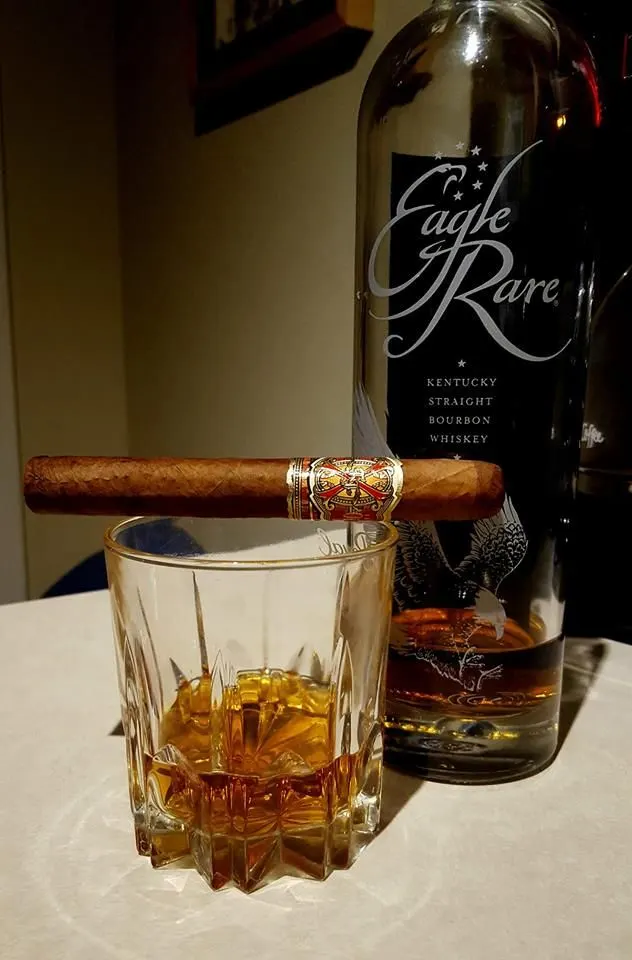 Collecting
How to Store Bourbon (And Whether It Actually Goes Bad)
An unopened bottle of bourbon will not improve in the glass and does not age like wine - but it can absolutely be ruined. Cork failure, light, heat cycling and the half-empty bottle problem, explained.
Read MoreFundamentalsHow to Taste Bourbon Properly
Most people taste bourbon in a way that guarantees they miss most of it. Nosing technique, the right glass, how much water to add and when, and how to build a flight that does not exhaust your palate by the third pour.
Read MoreFundamentalsWheated vs High-Rye Bourbon: How the Mash Bill Changes the Glass
Every bourbon is at least 51 percent corn. What fills the rest decides almost everything you taste. Here is what wheat and rye each do, how to tell which you prefer, and which bottle to buy once you know.
Read More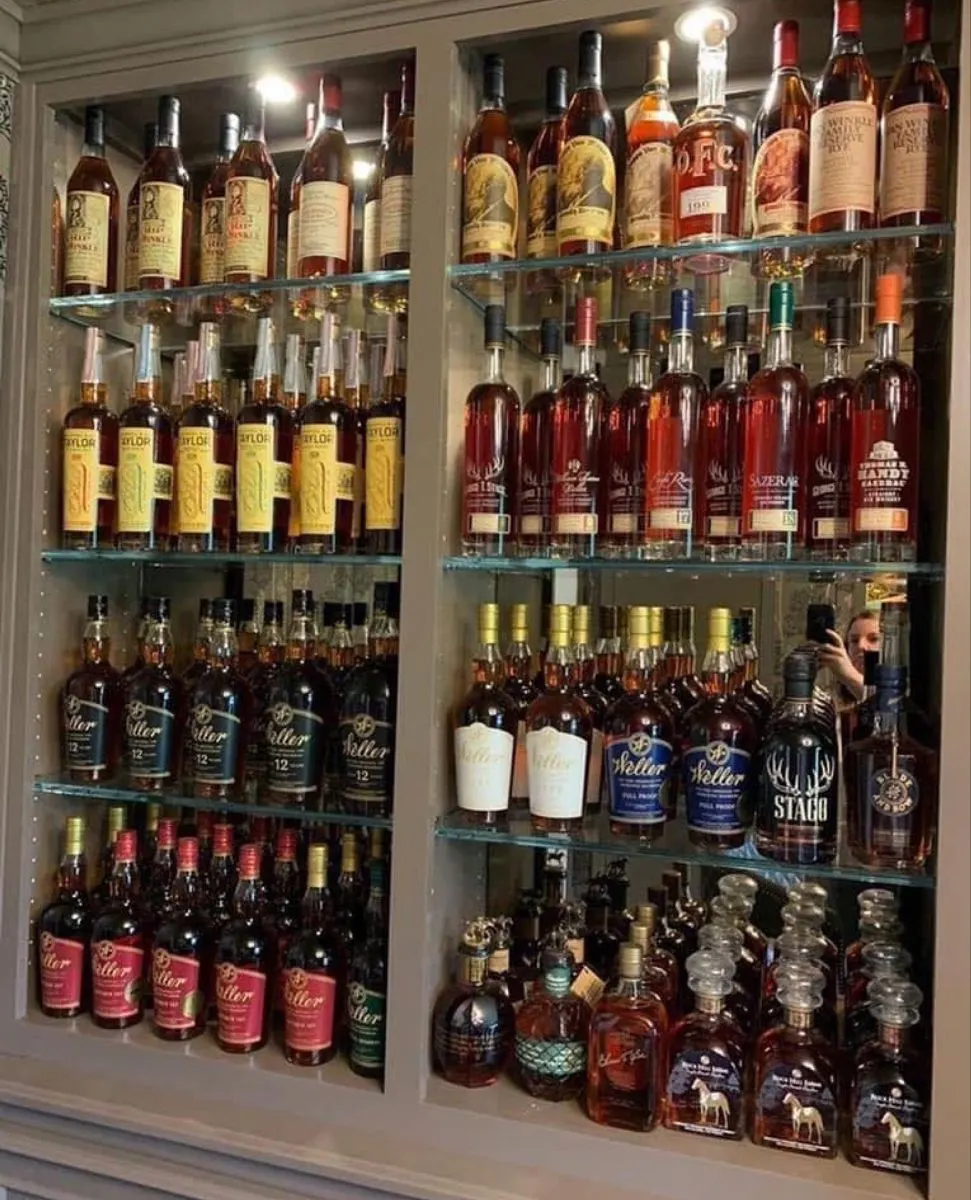 Fundamentals
Bourbon vs Whiskey: What Actually Makes a Bourbon
It does not have to come from Kentucky. It does not have to be aged a minimum number of years. Here is what the federal standard actually requires, what it forbids, and why those six rules produce the flavour you recognise.
Read More Buying Guide
The 10 Best Bourbon Bottles - And How to Actually Buy Them
Most best-bourbon lists rank bottles you have no realistic way of buying, then stop at the tasting notes. This one gives you the full spec on all ten, explains how allocation actually works, and tells you exactly what to pour instead when the bottle you want is gone.
Read More Craftsmanship
The Art of Barrel Selection: A Master Distiller's Guide
Behind every great single barrel bottling is a quiet, slow walk through a Kentucky rickhouse — and a master distiller who knows exactly which barrel to tap. Here's how that decision actually gets made.
Read More Recipes
Summer Cocktails: 5 Bourbon Recipes to Beat the Heat
Five bourbon cocktails we actually serve at the distillery in July — the classic Mint Julep, the Smash, a perfect Whiskey Sour, the modern Paper Plane, and a Bourbon Lemonade that ends every garden tour.
Read More Distillery News
New Rickhouse Opening: Expanding Our Aging Capacity
Rickhouse No. 7 is now standing on the south edge of the campus, adds 20,000 barrels of capacity, and is the first metal-clad warehouse we've ever built. Here's why that matters for what's in your glass.
Read More