Fundamentals
The Right Glass for Bourbon (and When It Genuinely Matters)
Glencairn, copita, rocks glass and the tulip — what each shape does to aroma, and the one you should own first.
Wyatt Brennan
Head Bartender, The Cellar at Bourbon & Oak

There is a version of this conversation that is pure theatre — the collector with fourteen glass shapes and a strong opinion about each. Ignore that. There is also a real, physical effect at work, and it is worth about ten minutes of your attention, because the wrong glass genuinely does hide things you paid for.
The mechanism is simple. Bourbon at 90 to 125 proof is releasing ethanol vapour constantly, and ethanol is aggressive: it numbs the olfactory receptors and swamps the delicate esters that carry fruit, floral and grain notes. A glass shape either concentrates that vapour at your nose or lets it disperse. Everything else is preference.
The Four Shapes Worth Knowing
Glencairn. A short-stemmed tulip with a wide bowl narrowing to a flared lip. It gathers vapour from a broad surface, funnels it upward, and the flare spreads it slightly at the last moment so ethanol does not hit you as a single spike. It has become the industry default for good reason, and it is the glass a distillery will hand you at a barrel pick.
Copita. The sherry-tasting glass, taller and more slender, on a proper stem. Slightly more concentrating than a Glencairn and better at showing high-proof whiskey, because the longer chimney gives ethanol more distance to disperse. The stem keeps your hand off the bowl, which matters more than people expect.
Rocks glass or tumbler. Wide, straight-sided, no concentration at all. Aroma disperses immediately. This is often described as the wrong glass, and for evaluating a whiskey it is — but for a bourbon with ice, or a cocktail, or a pour you simply want to enjoy without analysing, the wide opening is a feature. It lets the alcohol blow off rather than concentrating it.
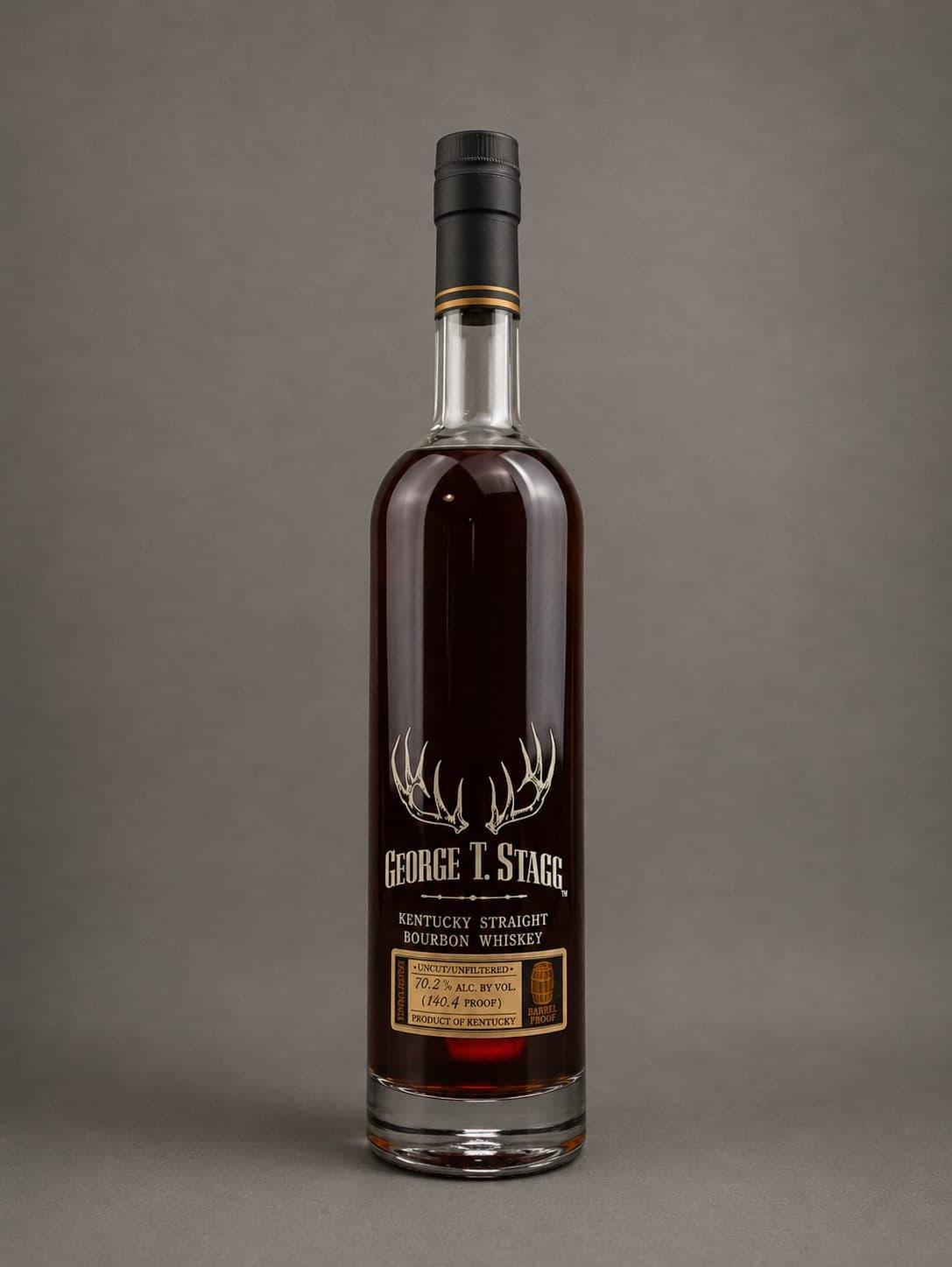
Snifter. Wide bowl, sharply tapered, designed for brandy. The taper concentrates ethanol hard, which suits a 40% spirit and punishes a 62% one. For barrel-proof bourbon like George T. Stagg a snifter is close to unusable — you will smell alcohol and very little else.
Prove It to Yourself in Ten Minutes
Pour the same bourbon into a Glencairn and a rocks glass, equal measures, and leave both to rest two minutes. Nose the rocks glass first. Then the Glencairn. The difference is not subtle, and it is more pronounced the higher the proof — with a barrel-strength whiskey the tulip will find fruit and baking spice that the tumbler simply does not present.
Then do it in reverse with a bourbon over ice. The tumbler will be more pleasant, because concentrated ethanol above a chilled spirit is unpleasant rather than informative. This is the whole argument in one experiment: the glass follows the purpose, not the price of the bottle.
Things That Matter More Than Shape
- Pour size. Two thirds of an ounce to an ounce in a Glencairn. A generous pour fills the bowl with vapour and turns any glass into a snifter.
- Rest. Give a pour two to three minutes before nosing. The most volatile ethanol burns off and the whiskey settles noticeably.
- Temperature. Room temperature, and keep your hand off the bowl. Warming bourbon in your palm sounds sophisticated and mostly just raises the ethanol.
- Cleanliness. Detergent residue is the single most common cause of a whiskey smelling wrong. Rinse with hot water only, and air dry upside down on a rack, not on a tea towel.
- Storage. Store tasting glasses upright. Stored rim-down they trap stale air, and the first thing you will smell is the cupboard.
That list will improve your tasting more than any glass upgrade. The detergent point in particular — a faint lemon note that seems to appear across several different bourbons is almost always the dishwasher, not the whiskey.
Lids, Water and Other Refinements
A watch glass or a simple coaster laid over the rim for a minute traps aromatics and gives a much richer first nose when you lift it. It costs nothing and works. Glass lids are sold for this purpose; a saucer does the same job.
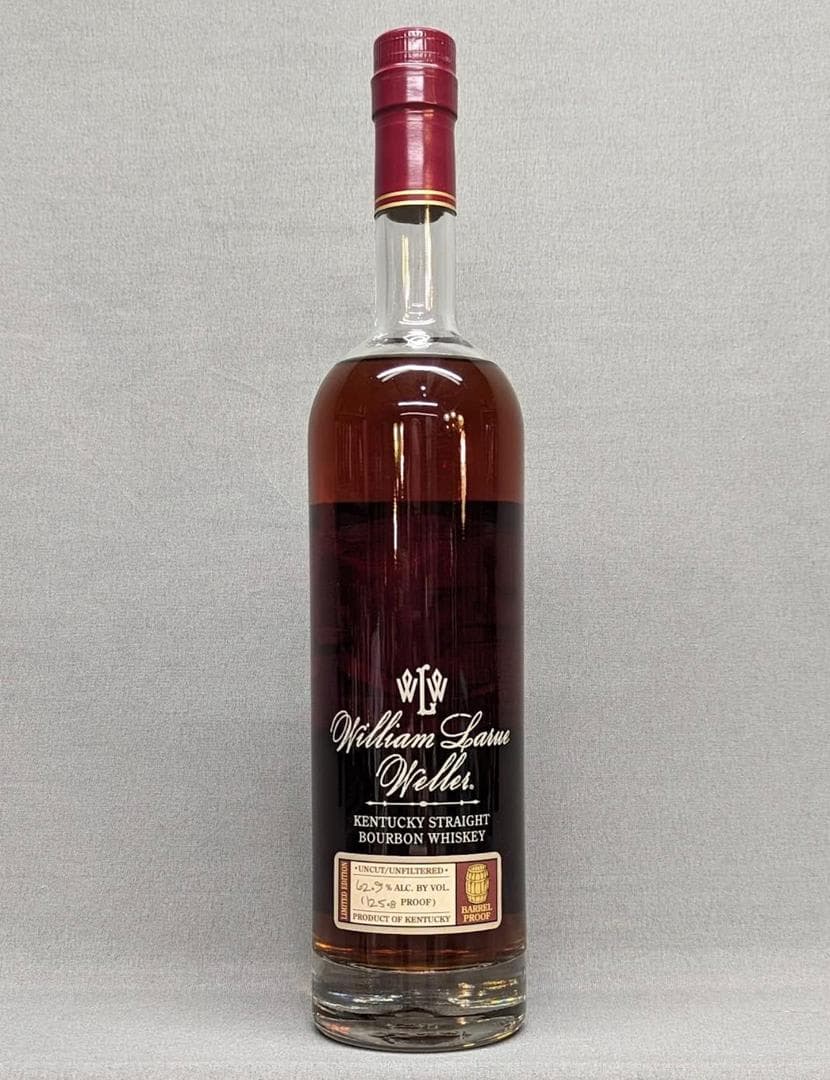
Water belongs in the discussion too. A few drops in a high-proof bourbon lowers the ethanol enough that a Glencairn stops being overwhelming — which means the right glass and the right dilution solve the same problem from two directions. With something like William Larue Weller at barrel strength, use both: a tulip glass and a little water.
And when you are not evaluating anything — when it is a Tuesday and you want a bourbon with a large cube — reach for the heavy tumbler without apology. It is the correct glass for that job. The point of understanding the physics is knowing when it applies, and when it politely does not.
Tagged
Common Questions
Frequently Asked
- Does the glass really change how bourbon tastes?
- It changes what you smell, which is most of what you taste. A tulip-shaped glass concentrates aroma vapour toward your nose; a wide tumbler lets it disperse. The effect is larger the higher the proof, and it is easy to verify by nosing the same pour from two shapes side by side.
- Is a Glencairn or a rocks glass better for bourbon?
- It depends on the purpose. A Glencairn is better for evaluating a whiskey neat because it concentrates aroma. A rocks glass is better for bourbon over ice or in a cocktail, where a wide opening lets sharp ethanol blow off instead of concentrating it.
- Why does my whiskey smell faintly of soap or lemon?
- Almost always detergent residue in the glass rather than anything in the bottle. Rinse tasting glasses with hot water only, air dry them upside down on a rack rather than a tea towel, and store them upright so they do not trap stale air.