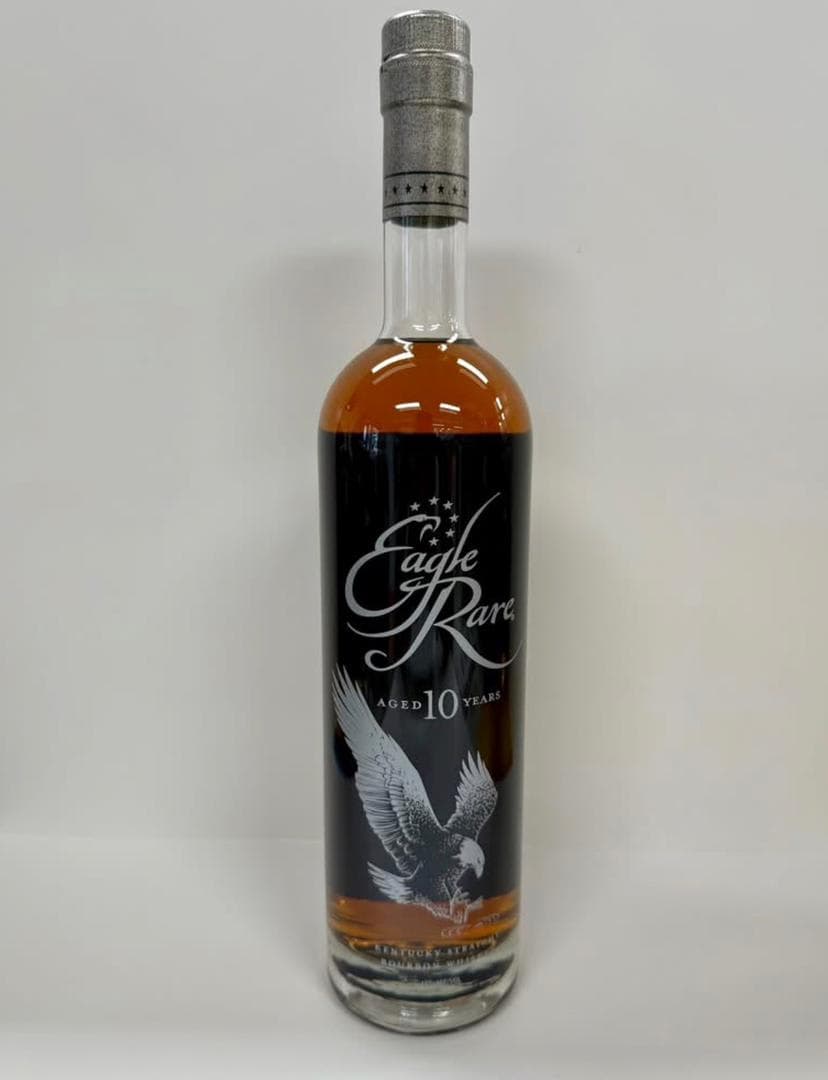
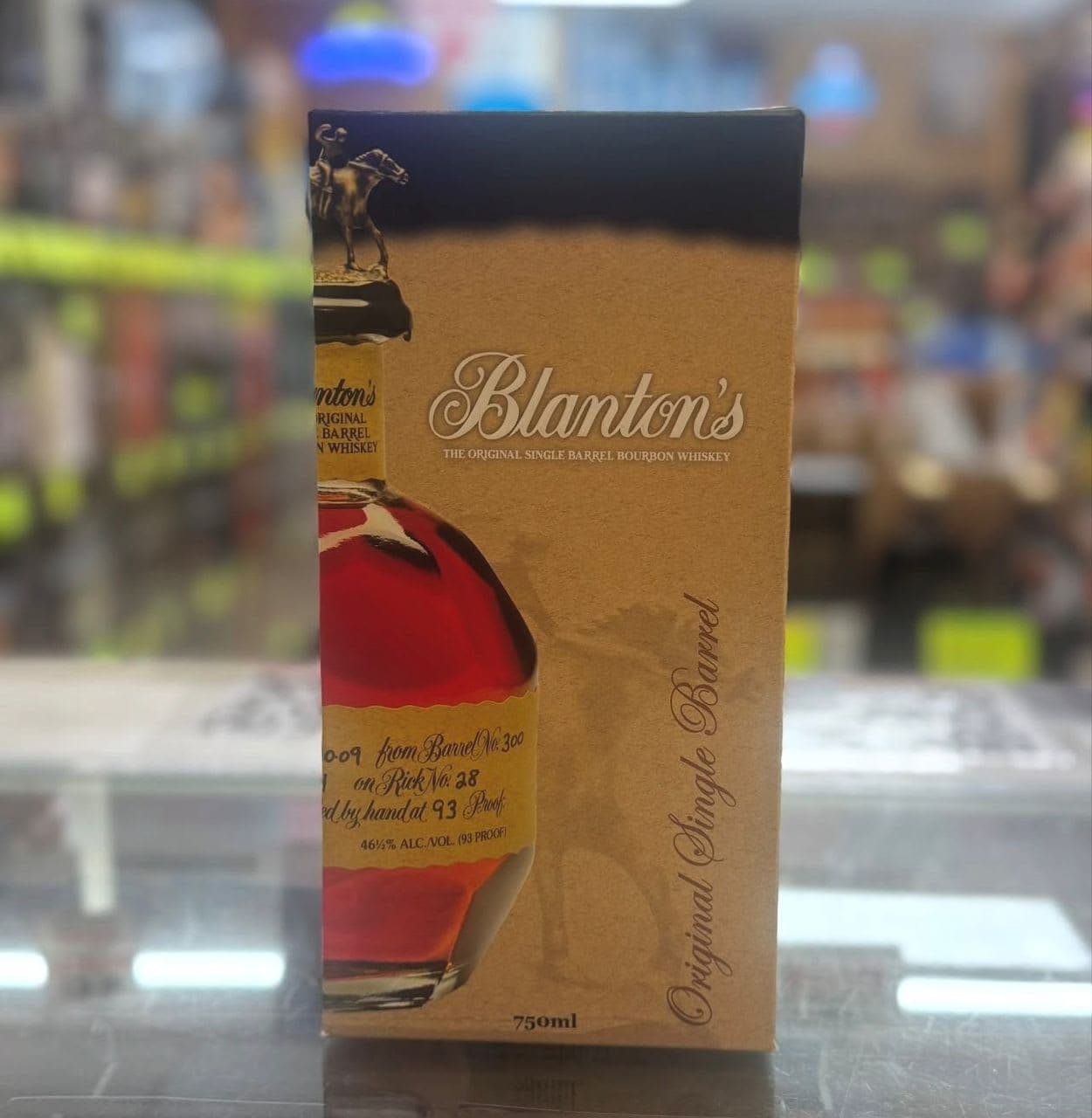
Buying Guide
Buying Allocated Bourbon Without Getting Burned
The bottle you want sells for several times its list price, the seller is a stranger, and most of the price guides you will find are two years out of date.
Wyatt Brennan
Head Bartender, The Cellar at Bourbon & Oak

There is a category of bourbon where the number on the label and the number you pay have almost nothing to do with each other. A bottle listed at three hundred dollars changes hands for fifteen hundred. The distillery sets one price, allocation does the rest, and everything after that happens between strangers.
That gap is where the problems live. Here is what genuinely reduces your risk, and what people believe helps but does not.
Most Fakes Are Real Bottles
This is the thing to understand before anything else. The common counterfeit in the United States is not a forged bottle with a bad label. It is a genuine, empty bottle — bought openly, because empties of sought-after bourbon have their own resale market — refilled with something cheap and resealed.
Which means most of the authentication advice circulating online is checking the wrong thing. The glass is real. The label is real, because it was printed by the distillery. The capsule may well be real too. Holding it up to the light and admiring the print quality tells you nothing at all.
What Actually Helps
Short version: who you buy from matters far more than what the bottle looks like. Buffalo Trace's own brand people say plainly that you should not buy their allocated bottles on the secondary market at all, which is blunt advice from a party with no reason to be dramatic about it.
- Buy from a seller with a name, a business address and something to lose. A retailer who will still exist next month behaves differently from an account created last week.
- Treat a price well under the going rate as a warning, not a find. Nobody sells a scarce bottle cheaply by accident.
- Ask a direct question about shipping, age verification and who signs for it. Evasion on that is the clearest single signal there is.
- Be suspicious of photos that are blurry, cropped tight, or reused — ask for a new photo of the actual bottle with something specific in frame.
- On numbered or single barrel bottles, the number is data. Bottle numbers from empties sold publicly have turned up later on supposedly sealed bottles.
- Pay by a method with a dispute process. A bank transfer to a stranger has none.
Know the Real Price Before You Shop
The second trap is softer than fraud and catches far more people: paying a fair-looking price that stopped being fair two years ago.
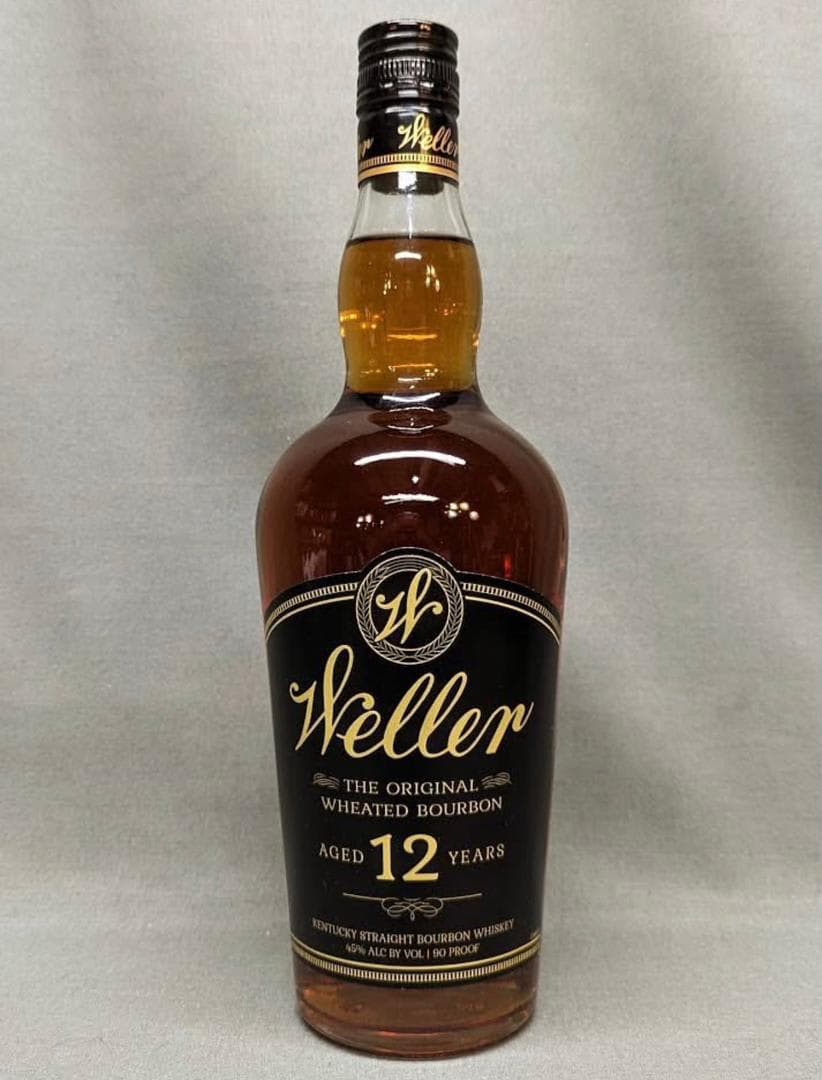
The bourbon secondary market is not a one-way ratchet. Several formerly ferocious bottles have fallen hard. The Weller range is a clear example — bottles that genuinely traded at four to seven hundred dollars during the boom now change hands for a fraction of that, and the decline is still visible month to month in auction records.
The difficulty is that the internet remembers the peak. A great deal of the pricing content that ranks well was written in 2023 or 2024 and never updated, so a buyer researching in good faith finds the old number, treats it as the going rate, and pays it happily to someone who knows better.
- Check the date on any price guide before you trust it. If it carries no date, discard it.
- Prefer sources that publish dated, completed sales over sources that publish asking prices.
- Asking prices run well above clearing prices — often by half again. They are two different numbers and they get quoted interchangeably.
- Price by release year on anything from an annual collection. A 2023 bottling and a 2025 bottling of the same name are not the same product and do not trade at the same price.
The Age-Statement Trap
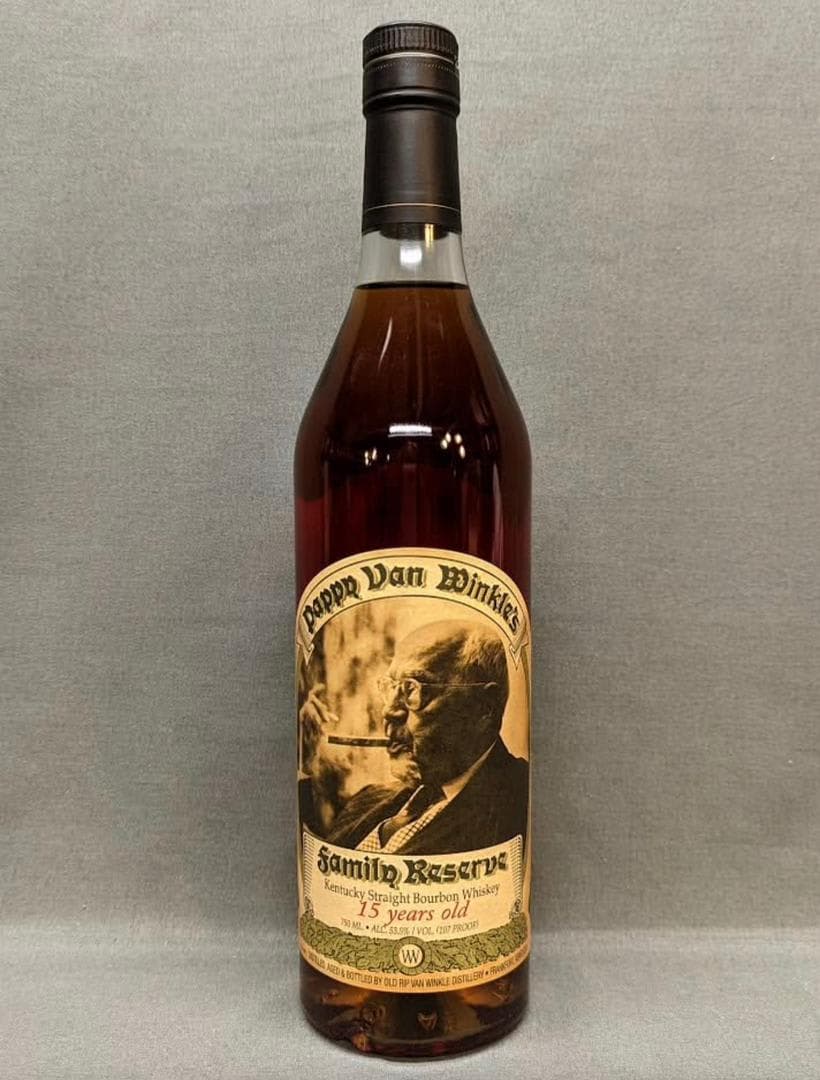
Within a single family, names stay the same while the liquid underneath changes. Proof moves between annual releases. Age statements get dropped. A bottle that was fifteen years old in one release may carry no age statement in the next, and the shelf price often does not move to match.
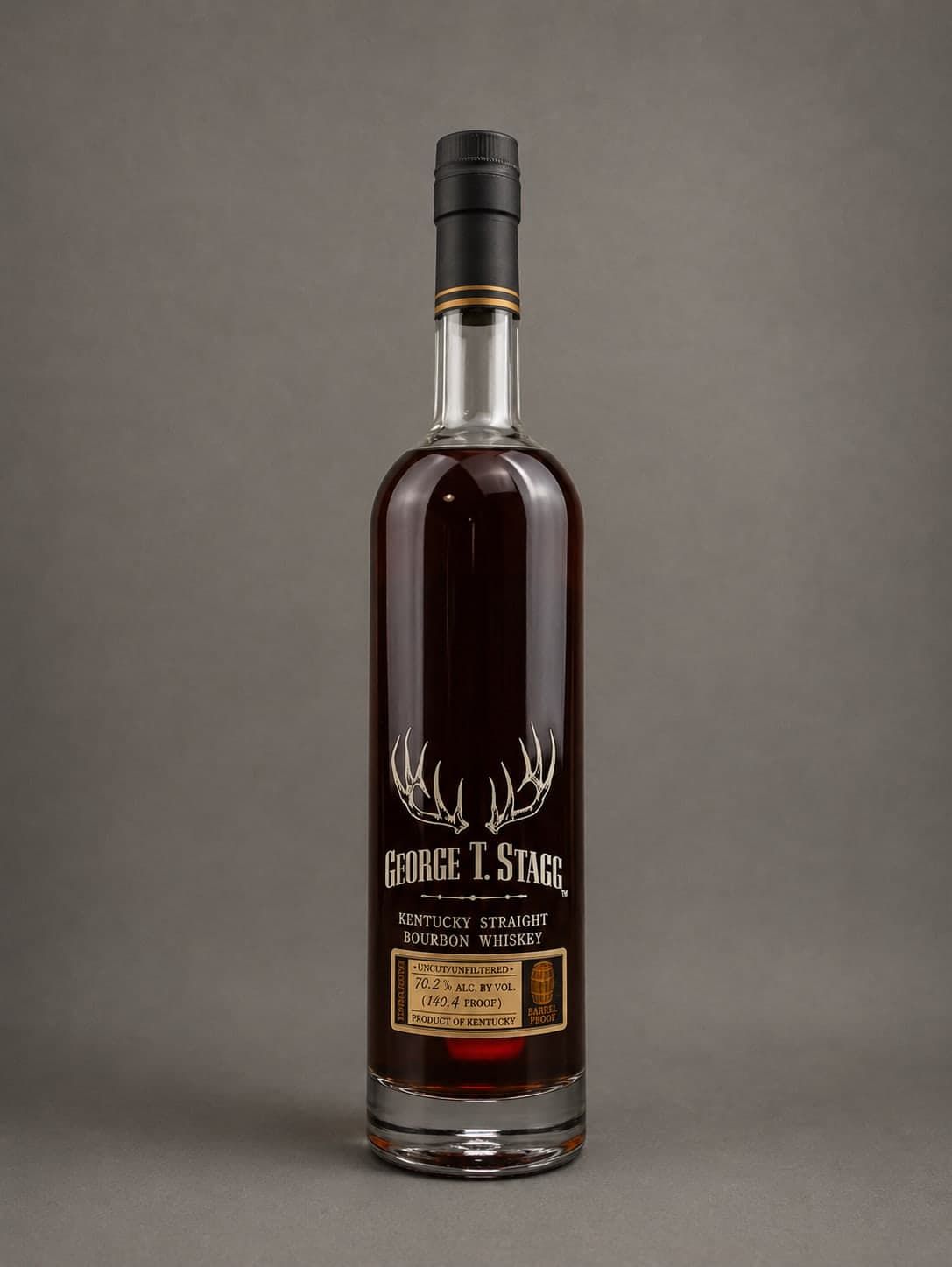
Read the actual label rather than the brand. A barrel-proof release with its proof printed on the front tells you exactly what is in it that year. The same name on a different year's bottle can be a meaningfully different whiskey.
When to Simply Walk Away
Some bottles are not worth the exposure at any price you will be offered. If a seller cannot be identified, will not answer plainly, or wants payment in a form you cannot reverse, there is no bottle rare enough to justify it.
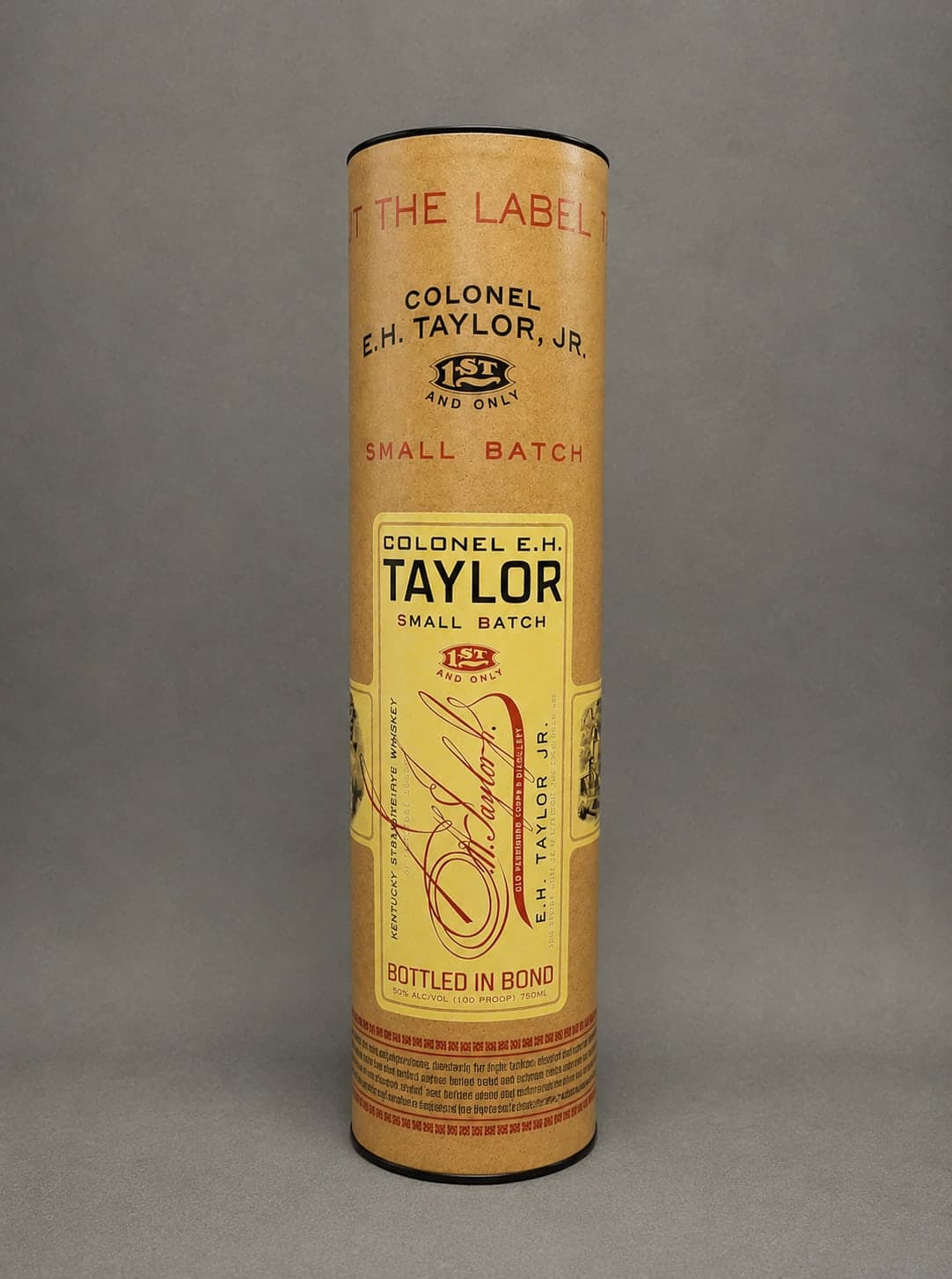
The consolation is that the gap between the famous allocated bottles and the very good ordinary ones is far narrower than the price gap suggests. A bonded small batch or a ten-year single barrel bought from someone you can phone will give you a better evening than a doubtful bottle bought from someone you cannot.
Tagged
Common Questions
Frequently Asked
- How can you tell if a bottle of bourbon is fake?
- Often you cannot from the bottle alone, because the usual counterfeit is a genuine empty refilled and resealed. The glass, label and capsule are all real. Provenance — who you are buying from and what they can prove — protects you where inspection does not.
- Do tax strips prove a bourbon bottle is authentic?
- No. Federal tax strips were discontinued decades ago and no distiller treats them as proof of authenticity. Their presence or absence tells you nothing useful.
- Is it safe to buy allocated bourbon on the secondary market?
- It carries real risk, and Buffalo Trace's own brand representatives advise against it for their allocated bottles. If you do, buy from an identifiable business, pay by a reversible method, and treat an unusually low price as a warning.
- Why do online bourbon price guides disagree so much?
- Most quote asking prices rather than completed sales, and asking prices run well above what bottles actually clear for. Many also date from the 2023 to 2024 peak and were never updated, so they overstate today's market, sometimes badly.
- Are bourbon secondary prices still rising?
- Not uniformly. Several once-ferocious bottles have fallen significantly from their peak, with the Weller range among the clearest examples. Check dated auction records rather than an undated guide before agreeing a price.