Fundamentals
Why Kentucky? The Honest Answer
Bourbon does not legally have to come from Kentucky. Almost all of it does anyway, and the real reasons are less romantic than the ones you usually get.
Eleanor Hayes
Master Distiller, Bourbon & Oak

Here is the part that surprises people: there is no law anywhere requiring bourbon to be made in Kentucky. It must be made in the United States, from at least 51% corn, aged in new charred oak, barrelled at no more than 125 proof and bottled at no less than 80. Texas, New York and Washington all make bourbon that meets every one of those tests. Kentucky is not in the definition.
And yet the overwhelming majority of the world's bourbon comes from one state, most of it from a handful of counties you could drive across in an afternoon. That is worth explaining properly, because the usual explanation is half right and half marketing.
The Water Story, Carefully
Central Kentucky sits on a thick shelf of limestone. Water moving through it picks up calcium and magnesium and leaves iron behind. That last part matters: iron reacts with the tannins coming out of charred oak and turns whiskey dark, bitter and unpleasant. A distiller drawing hard, iron-free water has one fewer problem to solve.
All of that is true. What is harder to defend is how much of the finished flavour gets credited to it. Most bourbon is cut to bottling strength with water that has been treated, and the proportion of a bottle's character that traces to the local aquifer rather than to grain, yeast, fermentation and above all wood is small. The limestone mattered enormously to the first distillers, who had no way to treat anything. It matters less now than the signage suggests.
The Climate Does More Than the Water
If one natural factor deserves the credit, it is the weather, and specifically how violently it changes. Kentucky summers are genuinely hot and the winters genuinely cold. A barrel is not a sealed container; oak breathes. Heat pushes the whiskey into the wood, cold pulls it back out, and every cycle drags more sugar, vanillin and colour out of the char.
This is why a bourbon at eight years can taste more developed than a Scotch at fifteen. Scotland's cool, damp, even climate moves whiskey in and out of the wood far more gently. Neither is better. They are different machines running at different speeds, and Kentucky's runs hot.
The cost of that speed is evaporation, which is why a genuinely old Kentucky bourbon is rare and expensive rather than merely patient. We have written separately about what a barrel gives up each year, and the arithmetic is unforgiving.
Corn, and a River Going the Right Way
Corn grew well here, and corn is the bulk of the mash. But plenty of places grow corn. The part that actually decided it was the Ohio River, and where it goes.
A farmer west of the Appalachians in the late 1700s had a transport problem. Grain was bulky, heavy and perishable, and the mountains stood between him and the eastern markets. Distilled into whiskey, the same harvest became compact, stable and worth several times more by weight. Loaded onto a flatboat it could go down the Ohio to the Mississippi and on to New Orleans, which is where a great deal of it went.
- Grain was hard to move and spoiled; whiskey was dense, stable and valuable.
- The Ohio River ran west and south, away from the mountains that blocked wagon routes east.
- Barrels sat on boats for weeks or months in the heat, which aged them whether anyone intended it or not.
- Kentucky had the limestone, the corn and the river in the same place — few other regions had all three.
That long hot float downriver is probably the most underrated fact in bourbon's history. Nobody set out to invent barrel ageing. It happened to whiskey in transit, people noticed the barrels that had travelled furthest tasted best, and an accident became a method.
The Part That Is Just History
The honest answer to "why Kentucky" is that an industry concentrated where an industry already was. Once the warehouses, coopers, bottlers, trucking routes and generations of people who know how to run a still are all in one place, the gravity is enormous. A new distillery in Kentucky can hire someone who has done the job for twenty years. A new distillery in a state with no bourbon history has to train them.
Prohibition concentrated it further. The handful of operations permitted to keep producing for medicinal purposes were mostly here, so when repeal came, Kentucky had working plants, aged stock and licences while most of the country was starting from nothing. The gap that opened in 1920 never really closed.
What This Means for a Bottle on Your Shelf
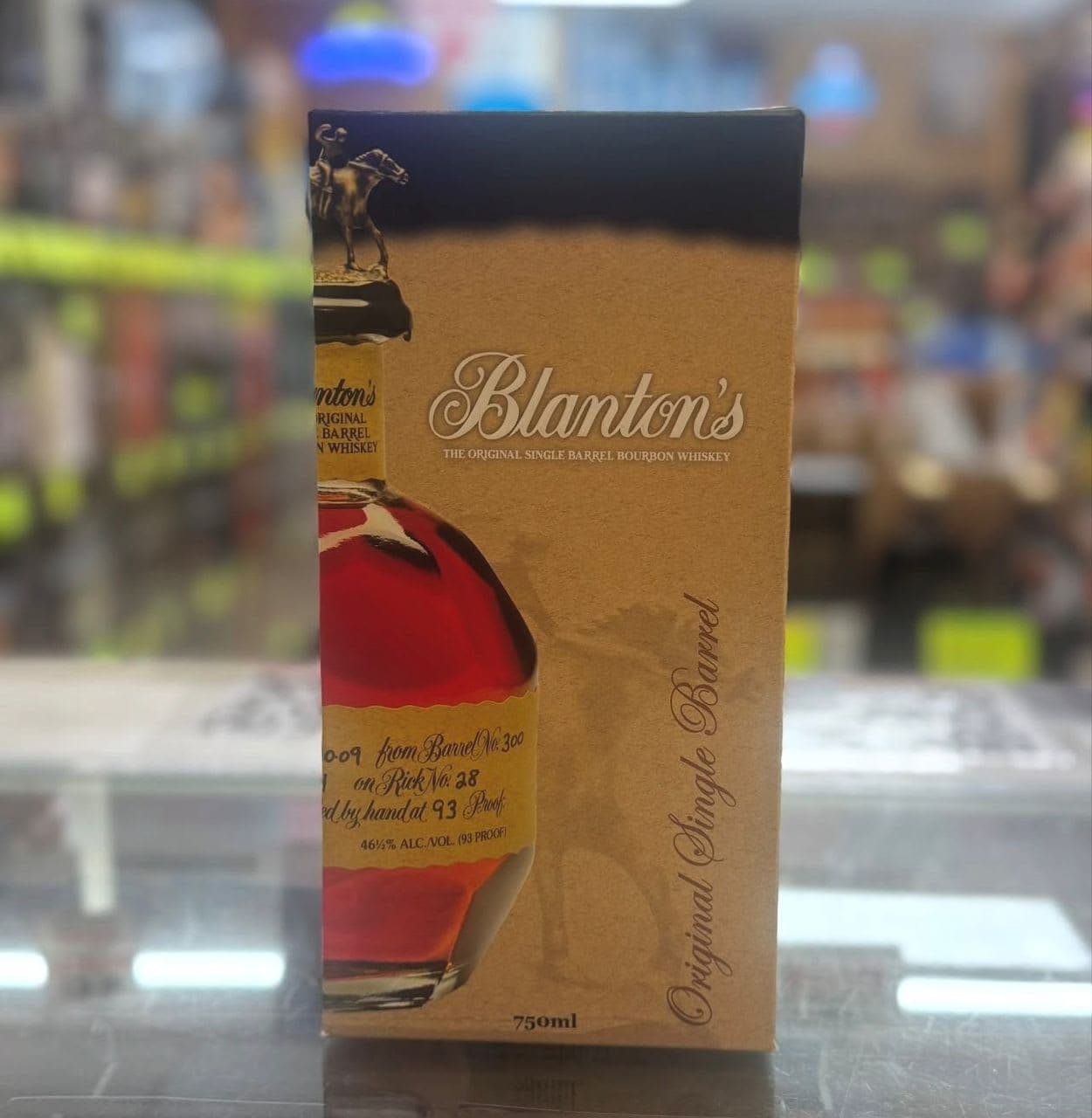
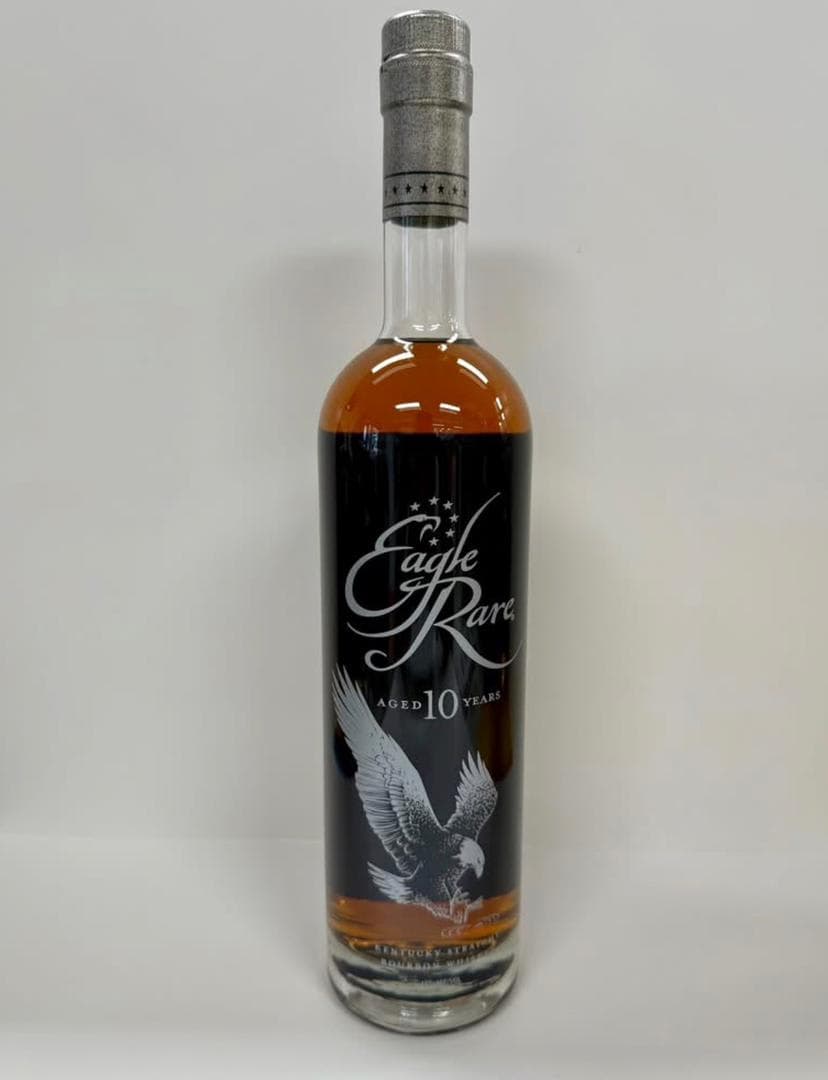
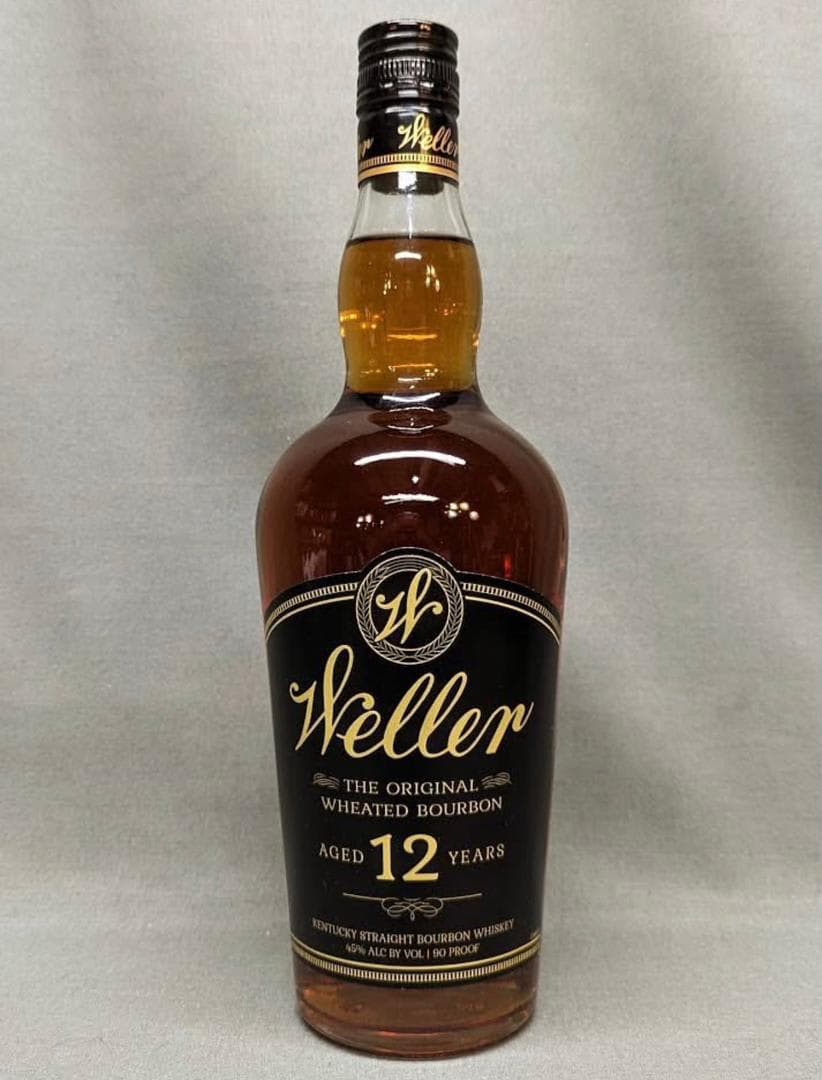
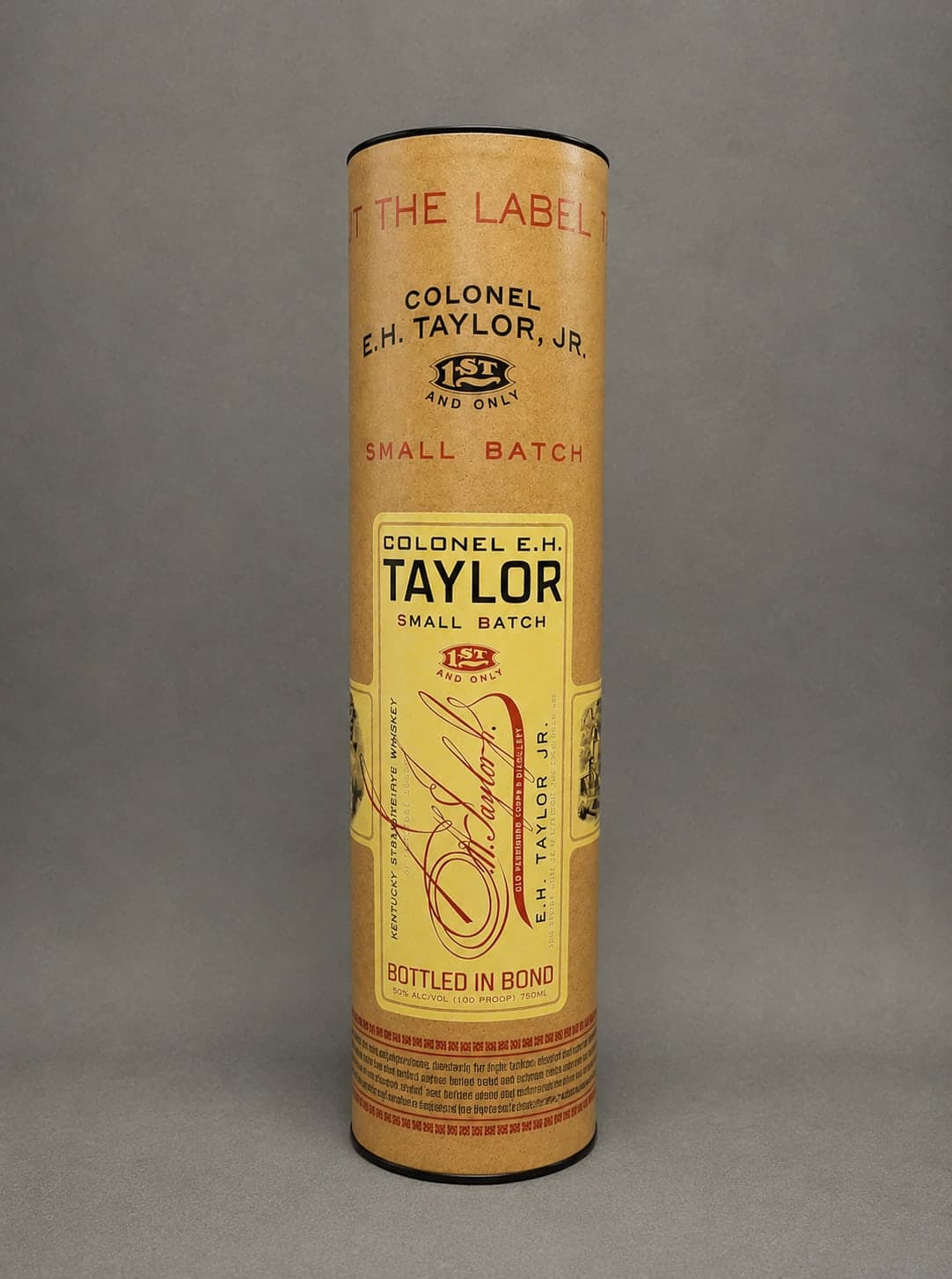
Treat "Kentucky Straight Bourbon" as a useful signal and not a guarantee. It tells you the whiskey was distilled and aged in a state with deep competence and a hard climate, which is worth something real. It does not tell you the distillery is old, that the liquid is theirs, or that anyone walked a rickhouse to choose it.
For that you read the rest of the label — the age statement if there is one, the proof, whether it says distilled by or merely produced by. A single barrel from one named rickhouse tells you considerably more about its origin than the word Kentucky does.
Tagged
Common Questions
Frequently Asked
- Does bourbon have to be made in Kentucky?
- No. Bourbon must be made in the United States from at least 51% corn and aged in new charred oak, but no law ties it to Kentucky. Texas, New York and Washington all produce legal bourbon. Only the words "Kentucky Straight Bourbon" require the state.
- Why is Kentucky limestone water good for bourbon?
- Limestone filters iron out of the water and adds calcium and magnesium. Iron is the important part: it reacts with tannins from charred oak and turns whiskey dark and bitter. How much of the finished flavour it explains is far less certain than distillery signage suggests.
- Why does Kentucky's climate matter for ageing bourbon?
- Oak breathes. Hot summers push whiskey into the wood and cold winters pull it back out, and each cycle extracts more from the char. Kentucky's swing is severe, which is why its bourbon matures faster than whisky aged in a cool, even climate.
- What did the Ohio River have to do with bourbon?
- It solved a transport problem. Grain was heavy and spoiled; distilled into whiskey it became compact, stable and valuable, and the river carried it west and south to New Orleans. Barrels aged for months in the heat on the way, which is how barrel ageing was discovered rather than invented.
- Is Kentucky bourbon actually better than bourbon from elsewhere?
- Not automatically. Kentucky has the climate, the infrastructure and two centuries of accumulated skill, which stacks the odds. But the state on the label tells you nothing about the age, the proof or whether the distillery made the liquid itself.