Collecting
The Buffalo Trace Antique Collection, Explained
Five bottles, one release each autumn, and specifications that change every single year. What BTAC is and how to approach it.
Eleanor Hayes
Master Distiller, Bourbon & Oak

Once a year, usually in autumn, Buffalo Trace releases a set of five whiskeys known collectively as the Antique Collection. It is the most anticipated annual event in American whiskey, and the reason is straightforward: these are barrels the distillery has held back and selected specifically, bottled with minimal intervention, in quantities that come nowhere close to demand.
In 2025, for the collection's 25th anniversary, the line-up expanded to six with the first ever E.H. Taylor Bottled-in-Bond in the set. The core five, however, have been constant for years, and they are what most people mean by BTAC.
The Five Bottles
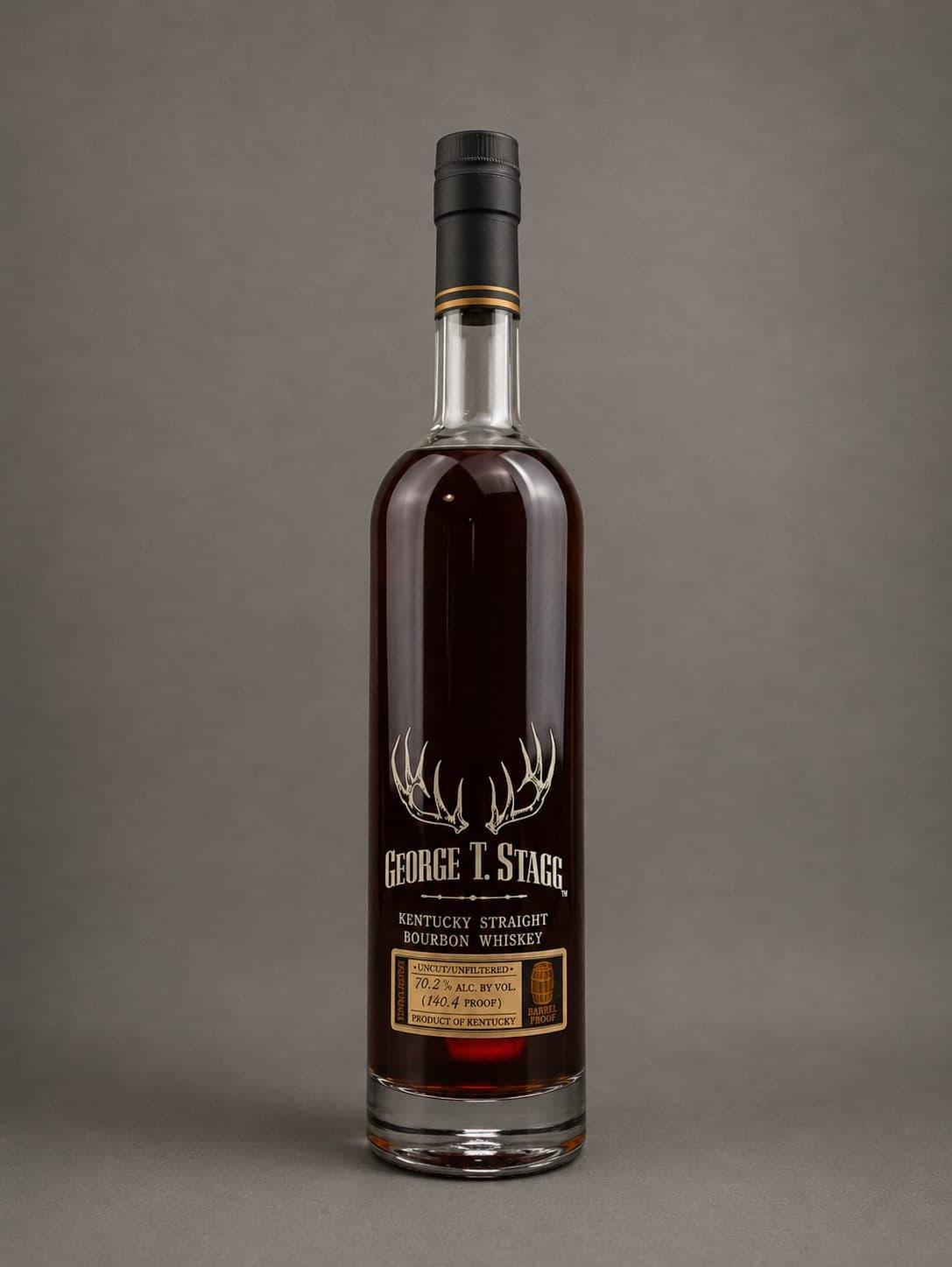
George T. Stagg
The uncut, unfiltered high-rye bourbon, and the most famous of the set. George T. Stagg regularly clears 130 proof and has crossed 140 in some years - above that threshold it is classed as hazardous material and cannot legally travel as commercial air cargo, which is where the hazmat nickname comes from.
Our current release is fifteen years old at 136.1 proof: dark chocolate, char, leather and black cherry, with a finish that outlasts anything else in the collection. It is the least forgiving bottle here and the one experienced drinkers reach for first. Water is not optional.
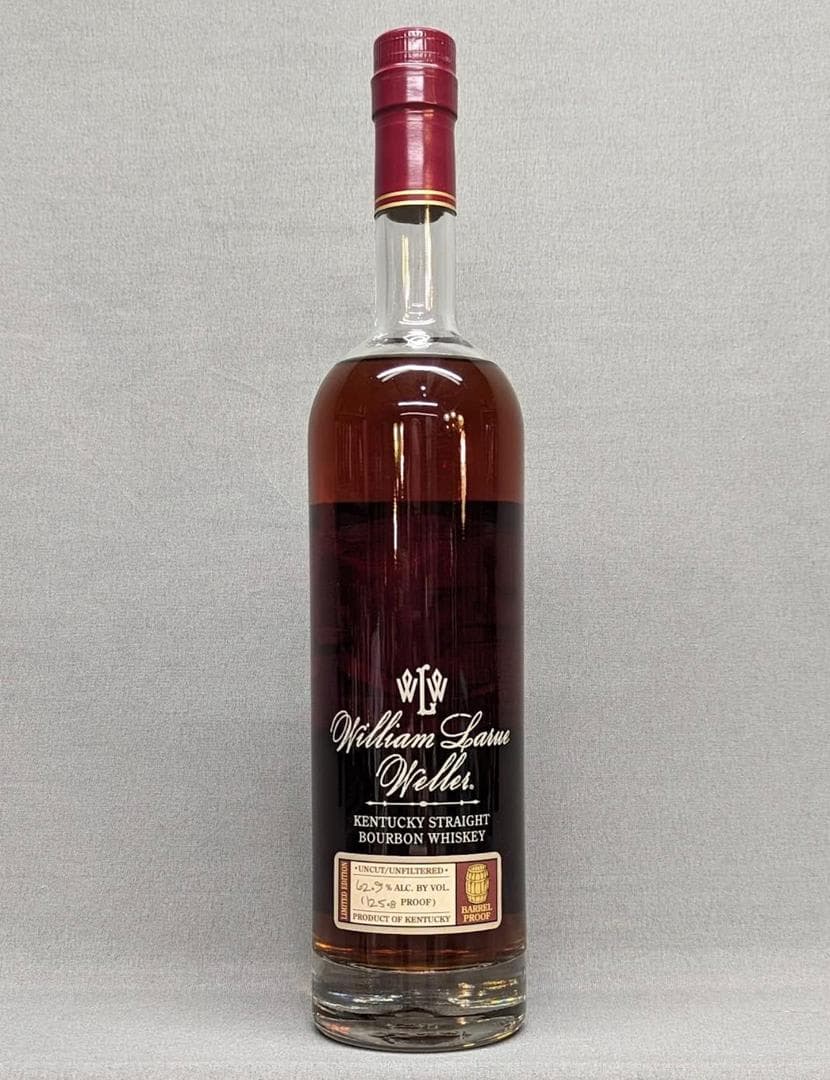
William Larue Weller
The barrel proof wheated bourbon, and the bottle that most often beats Pappy Van Winkle in a blind tasting. William Larue Weller takes the same wheated recipe that underpins the Van Winkle line and bottles it uncut - ours at 133.6 proof, twelve years old.
Undiluted it is dense and almost syrupy: dark fruit, creme brulee, cocoa. A teaspoon of water opens it into one of the most complete American whiskeys made. If you only chase one bottle from the collection, most people should chase this one.
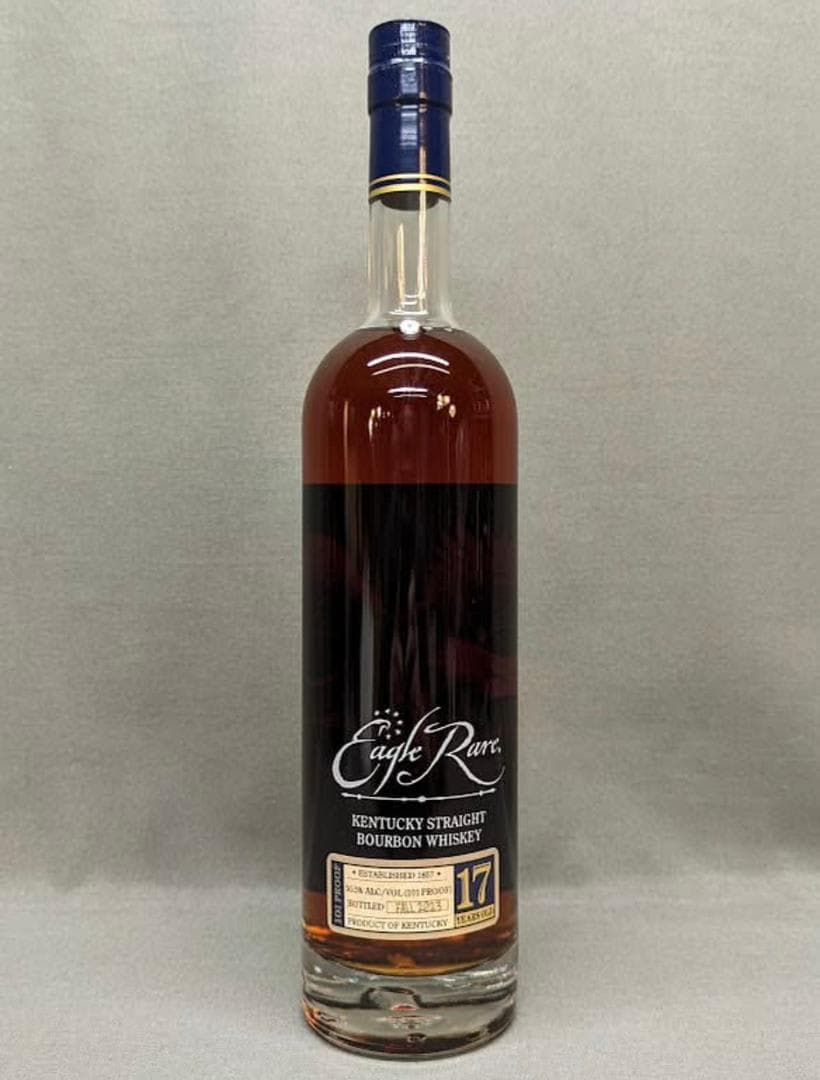
Eagle Rare 17 Year
The elegant one. Where Stagg is force, Eagle Rare 17 Year is restraint - seventeen years carried at a modest 101 proof, with polished oak, dried orange peel, honey and old leather. Seventeen years destroys most bourbon; the barrels chosen for this survive it with unusual grace.
It is also the bottle whose price most reflects collector demand rather than drinking value, which is worth saying plainly. If you want the profile rather than the label, Eagle Rare 12 Year at $70 delivers a great deal of it.
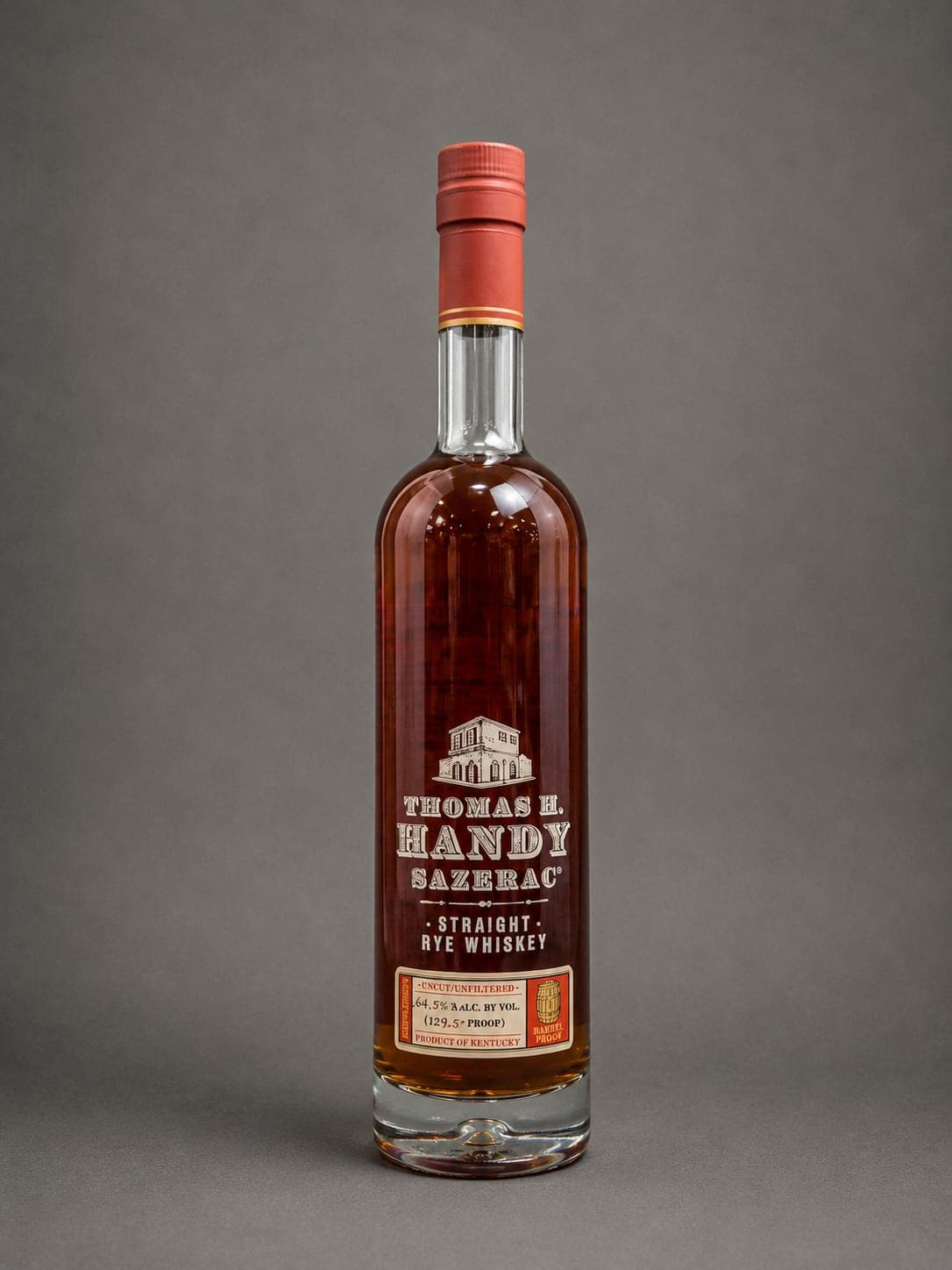
Thomas H. Handy Sazerac
The rye, and the one people overlook. Thomas H. Handy Sazerac is uncut straight rye whiskey, typically six years old and around 130 proof. Younger than everything else in the set, and none the worse for it - rye carries high proof and youth better than bourbon does, arriving peppery, herbal and intensely aromatic.
If your shelf is entirely bourbon, this is the most educational bottle in the collection. Pour it beside any of the others and the difference between corn and rye becomes obvious in one sip.
Sazerac 18 Year Rye
The fifth member, and the one we do not currently stock. Eighteen year old straight rye at 90 proof - the opposite approach to the Handy, trading intensity for depth and a soft, dry, herbal complexity that only long-aged rye achieves. Worth knowing about so you can recognise a complete set, and worth trying if you ever get the chance at a bar.
Why the Specifications Change Every Year
This is the part that catches people out, and it is the single most useful thing to understand about BTAC. There is no fixed recipe for a given bottle. Each year the distillery selects barrels on merit, and whatever those barrels give is what goes in - so age and proof shift, sometimes dramatically, from release to release.
George T. Stagg has been bottled anywhere from the low 120s to above 142 proof. William Larue Weller has ranged across several years of age and more than ten points of proof. This means a review of a 2019 bottle tells you very little about a 2024 one, and that the year on the label matters as much as the name.
How Allocation Works
BTAC quantities were fixed years ago when the barrels were filled. Buffalo Trace assigns fixed amounts to state distributors, distributors assign fixed amounts to individual retailers, and no one anywhere in that chain can order more. When a shop receives six bottles for the entire year, there is no mechanism that produces a seventh.
Retailers therefore distribute by lottery, waitlist, loyalty history or bundling, and every method leaves most customers disappointed because the arithmetic guarantees it. Anyone offering you guaranteed BTAC at retail, in quantity, on demand, is worth a second look - and the authenticity checks in the ranked buying guide are worth running before money changes hands.
Where to Start, and What to Drink Meanwhile
If you are new to the collection, start with William Larue Weller if you like sweetness and body, or Thomas H. Handy if you want something that will teach you the most. Leave Eagle Rare 17 until you specifically want elegance rather than intensity, and treat Stagg as a bottle to grow into.
For the eleven months of the year when BTAC is not available, these are the closest things we can reliably keep on a shelf:
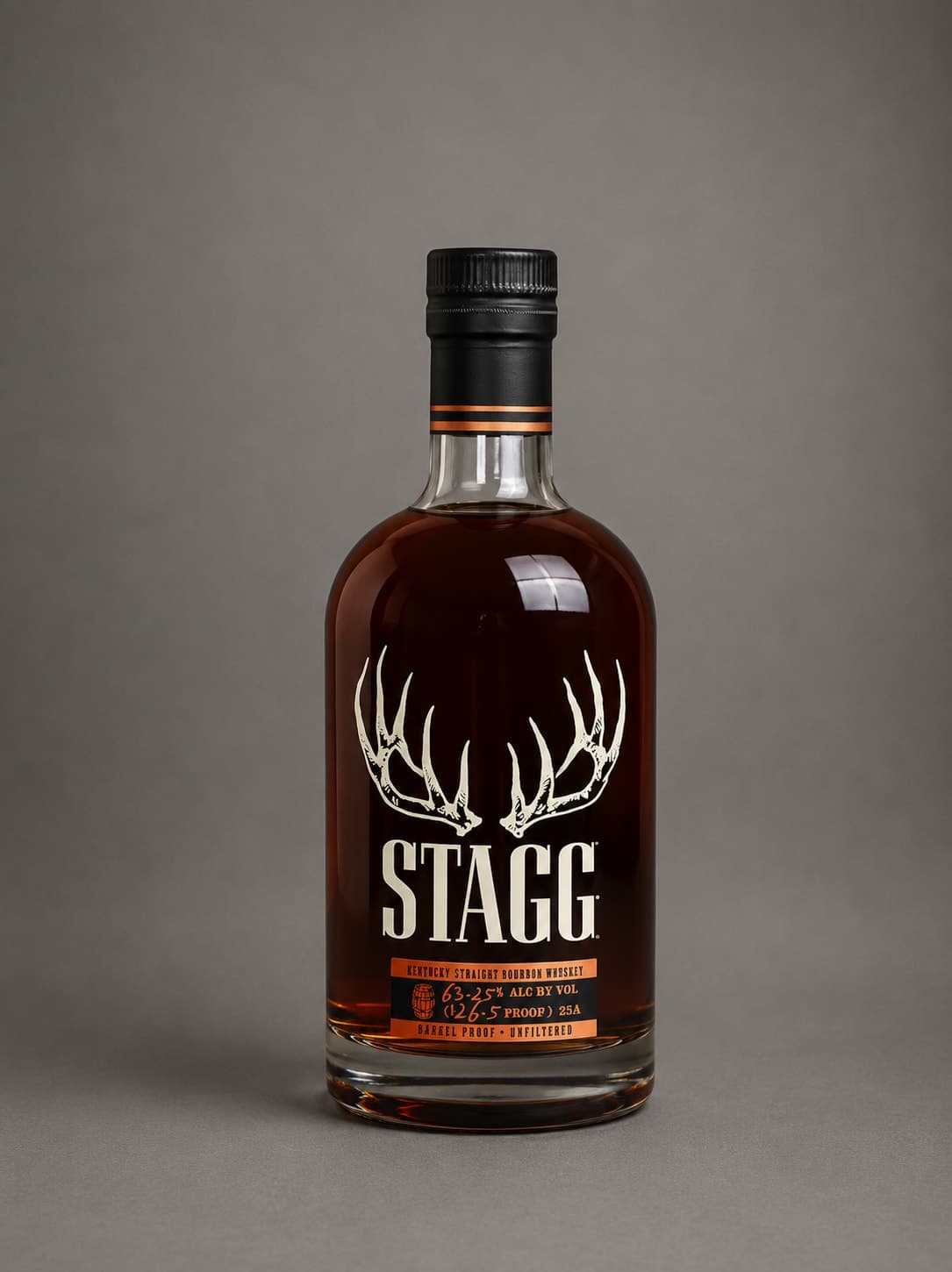
- Instead of George T. Stagg: Stagg at $150, or E.H. Taylor Barrel Proof at $100 - both above 130 proof with the same concentrated character.
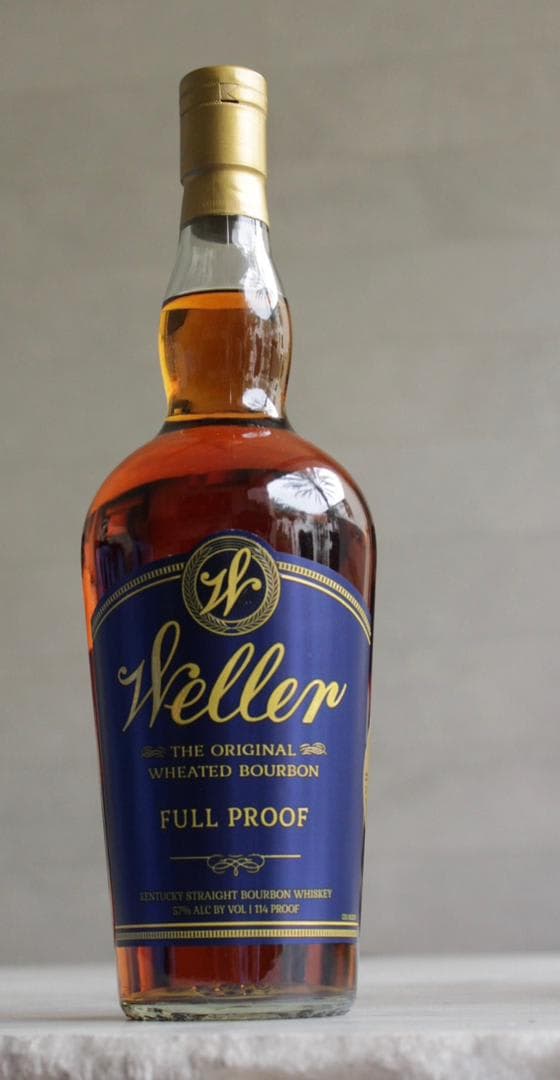
- Instead of William Larue Weller: W.L. Weller Full Proof at $150, the closest barrel strength wheater we can stock, or Weller 12 Year at $100 for the profile at gentler strength.
- Instead of Eagle Rare 17: Eagle Rare 12 Year at $70, the same restrained oak-led style.
- Instead of the ryes: there is no true substitute, which is a large part of why the Handy is worth chasing.
Everything currently allocated sits in the limited and allocated collection. If you do land a bottle, store it properly - upright, dark and stable - because a failed cork on a bottle you waited a year for is a genuinely expensive mistake.
Tagged
Common Questions
Frequently Asked
- What is the Buffalo Trace Antique Collection?
- An annual autumn release of five specially selected, minimally processed whiskeys from Buffalo Trace: George T. Stagg, William Larue Weller, Eagle Rare 17 Year, Thomas H. Handy Sazerac and Sazerac 18 Year Rye. In 2025 it expanded to six for its 25th anniversary with an E.H. Taylor Bottled-in-Bond.
- Why does George T. Stagg change proof every year?
- There is no fixed recipe. Barrels are chosen on merit each year and bottled uncut, so whatever those barrels give is what goes in. Stagg has ranged from the low 120s to above 142 proof, which is why the release year matters as much as the name.
- What does hazmat proof mean?
- Any spirit above 140 proof is classed as hazardous material and cannot be carried as commercial air cargo. George T. Stagg has crossed that line in several years, which is where the hazmat nickname comes from.
- Is William Larue Weller better than Pappy Van Winkle?
- It frequently wins blind tastings against it. Both are wheated bourbons from the same distillery, but William Larue Weller is bottled uncut at barrel proof while the Van Winkle range is proofed down, which gives it more concentration and depth.
- How do you actually get a BTAC bottle?
- Quantities were fixed when the barrels were filled, so retailers receive a small allocation they cannot increase. Most distribute by lottery, waitlist or loyalty history. Anyone offering guaranteed BTAC in quantity at retail deserves scrutiny.