Collecting
How to Store Bourbon (And Whether It Actually Goes Bad)
Upright, out of the light, and away from the radiator. What genuinely damages a bottle, and what is superstition.
Eleanor Hayes
Master Distiller, Bourbon & Oak
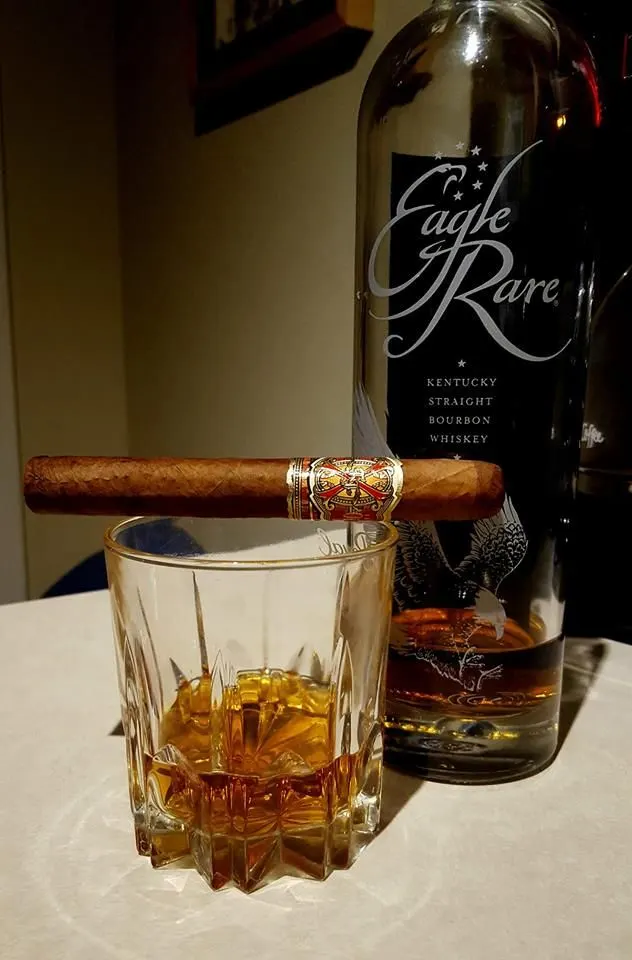
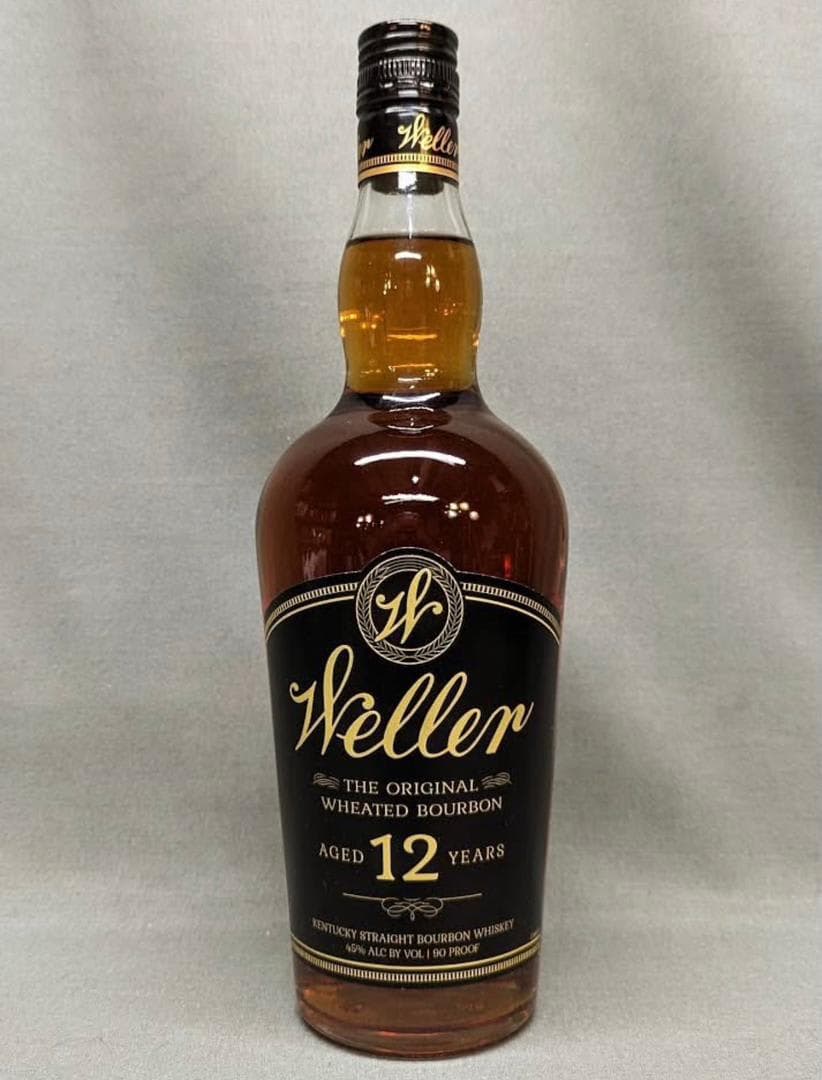
Bourbon stops ageing the moment it leaves the barrel. A twelve year old bourbon bought today will still be a twelve year old bourbon in 2046 - the glass contributes nothing, unlike the wood. That is the good news. The less good news is that while a bottle cannot improve, it can certainly deteriorate, and the three things that damage it are all avoidable.
Store It Upright. Always.
This is the one rule that people carry over from wine and get exactly backwards. Wine is stored on its side to keep the cork wet, because wine is only about 13 percent alcohol. Bourbon is 40 to 70 percent, and sustained contact at that strength degrades cork - it softens, crumbles, and eventually taints the whiskey or fails entirely when you try to open it. A ruined cork on an allocated bottle is a genuinely expensive mistake.
Store every bottle standing up. If you want to keep the cork from drying out completely over many years, tip the bottle briefly once or twice a year to wet it, then stand it back up. That is the whole technique.
Light and Heat Do the Real Damage
Ultraviolet light breaks down the compounds that give bourbon its colour and much of its aroma. A bottle left in direct sun will visibly fade over months, and the whiskey flattens along with the colour. A display shelf by a window is the worst place in most homes.
Heat cycling is the quieter problem. Repeated warming and cooling expands and contracts the liquid and the air above it, pushing vapour past the closure and drawing air back in. Over years this evaporates volume and dulls the spirit. A cupboard on an interior wall, somewhere between 15 and 21 degrees Celsius and reasonably stable, beats any decorative bar cart in a conservatory.
The Half-Empty Bottle Problem
Once opened, the enemy is oxygen, and what matters is not how long the bottle has been open but how much air is in it. A bottle with an inch of whiskey left has an enormous headspace of air relative to liquid, and will noticeably flatten within a few months. The same bottle three-quarters full is stable for years.
- Above about two thirds full: essentially stable, drink at your leisure.
- Between a third and two thirds: still good, but aim to finish within a year or so.
- Below a third: oxidation accelerates sharply. Finish it, or decant into a smaller bottle so the liquid fills it.
- For a bottle you want to preserve, wrap the closure with parafilm to slow vapour loss, and keep it upright and dark like the rest.
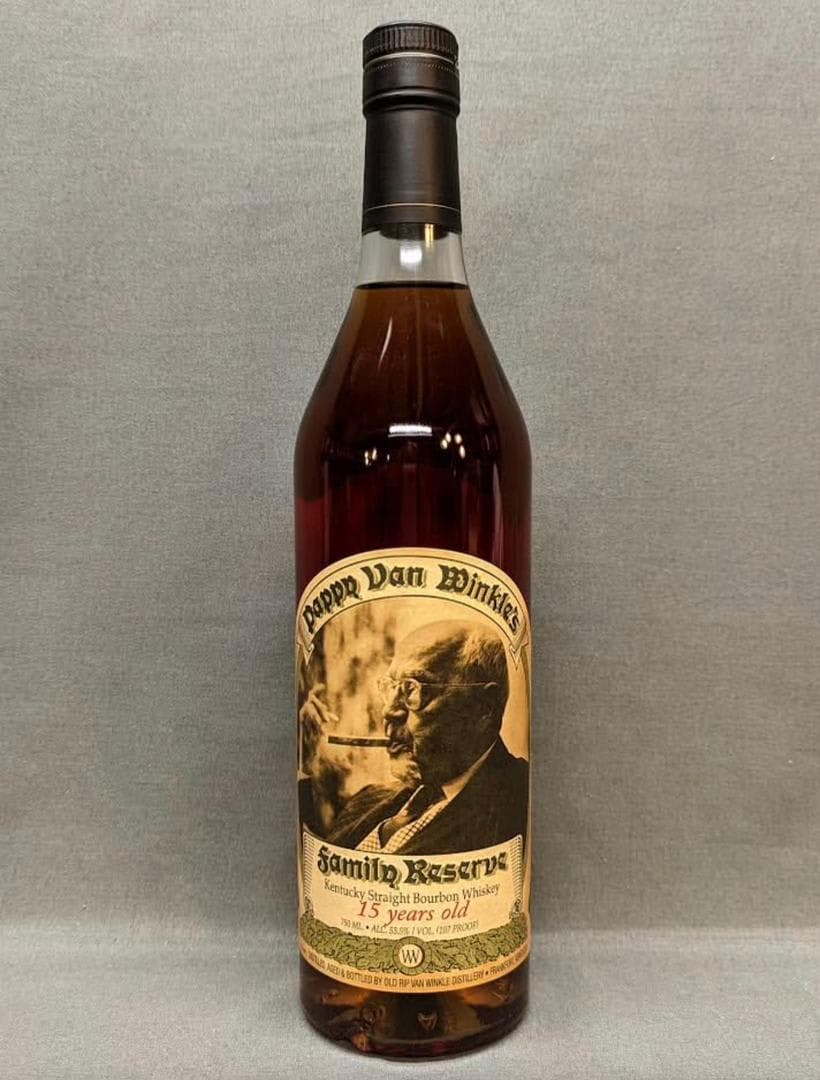
Decanting the last third into a clean 200ml bottle is the single most effective trick here, and it costs nothing. It is worth the trouble on anything from the allocated collection - watching the last of a Pappy Van Winkle 15 Year go dull in a nearly empty bottle is a needless loss.
Does Unopened Bourbon Go Bad?
Practically, no. Stored upright, dark and cool, a sealed bottle of bourbon will be indistinguishable in thirty years. There is no expiry date and no drink-by window. What can fail is the closure, not the whiskey - which is why an old bottle with a low fill level should be treated with suspicion, whether it has simply lost volume through a tired cork or been tampered with.
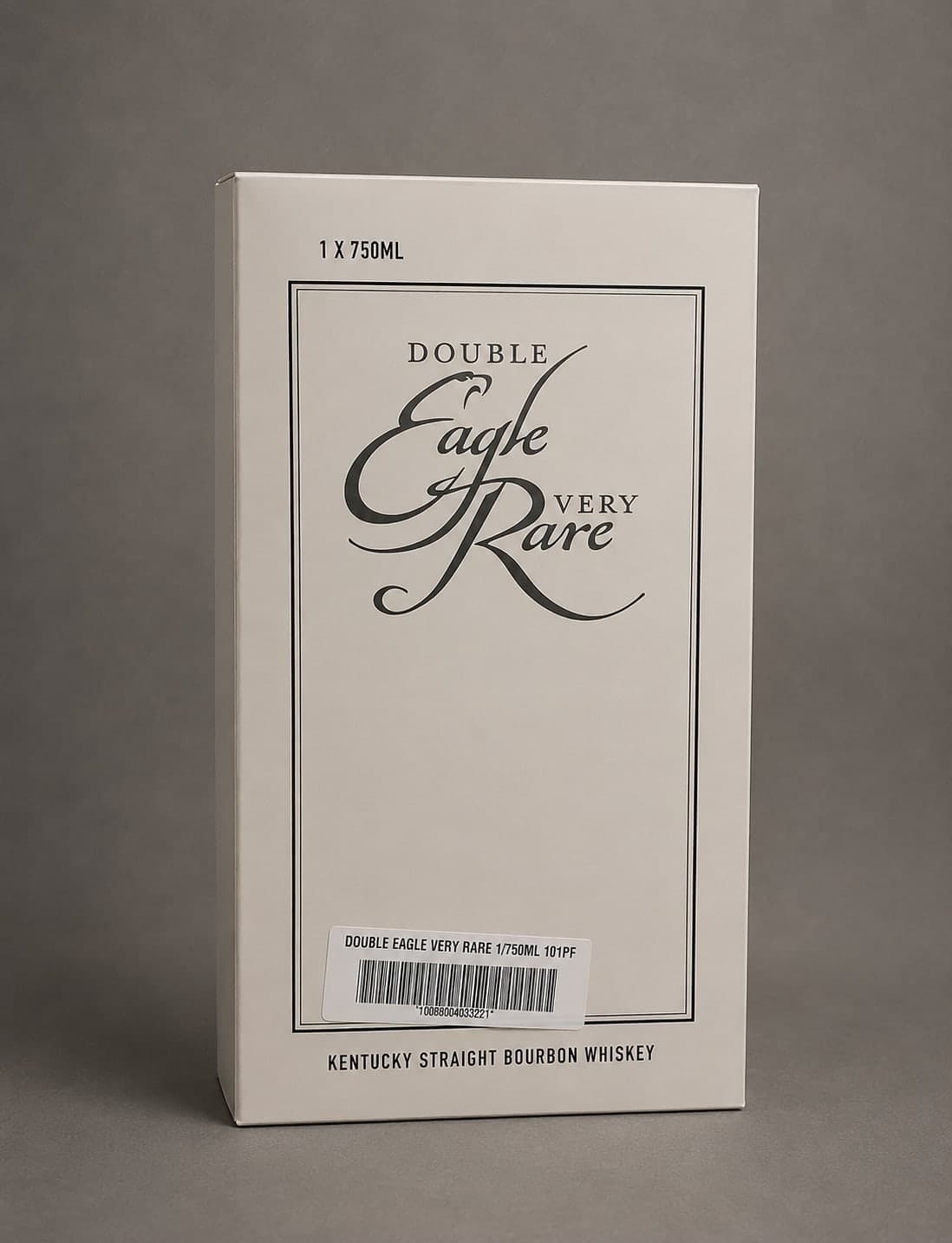
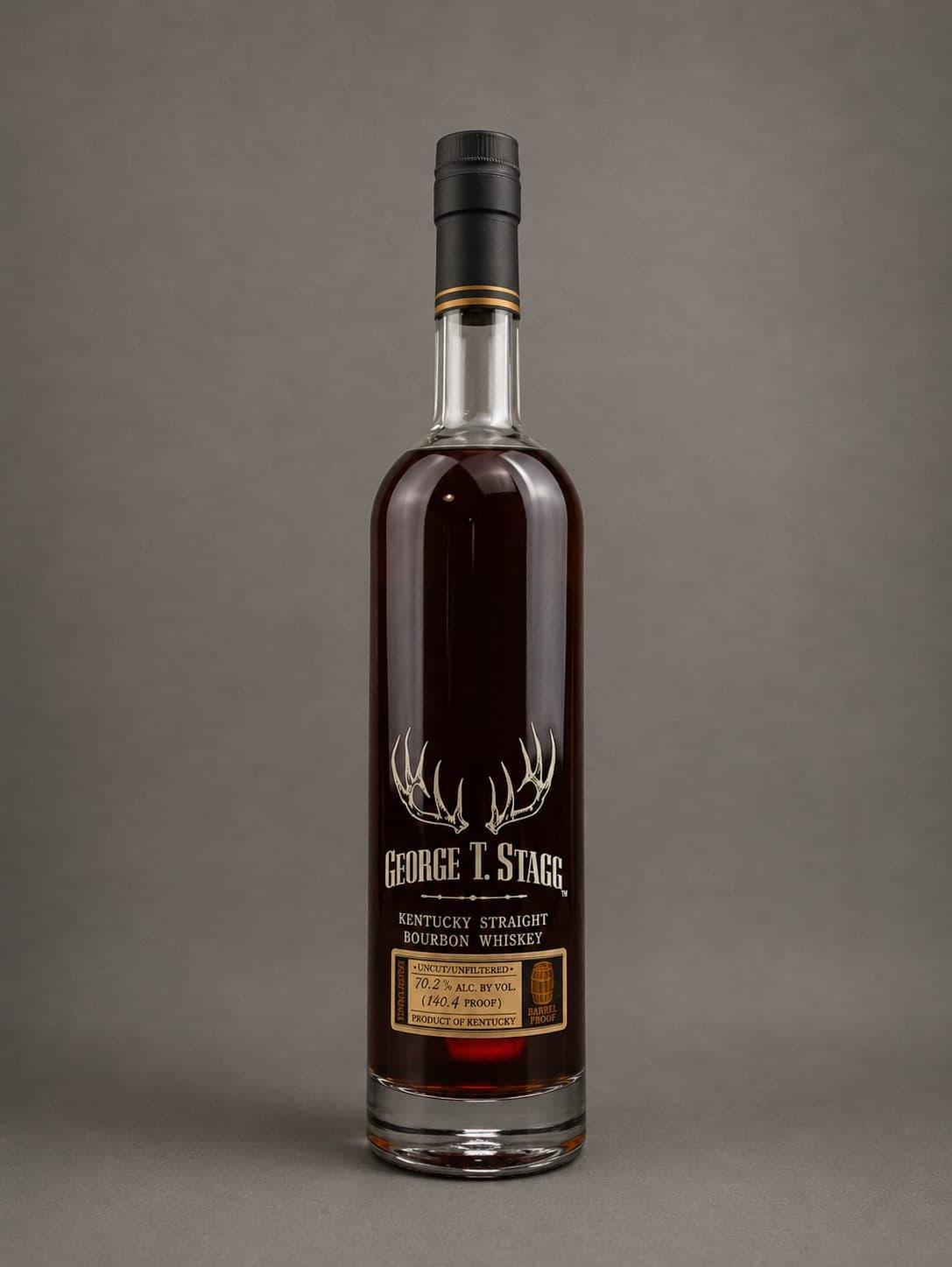
That last point matters if you are buying rare bottles rather than only drinking them. Fill level is one of the standard authenticity checks, and we cover the rest of them in the ranked buying guide. If you are building a collection deliberately, the bottles most worth storing properly are the ones in the limited and allocated range - things like Double Eagle Very Rare 20 Year or George T. Stagg, where a failed cork costs real money.
The Short Version
- Upright, never on its side.
- Out of direct light - a closed cupboard beats a display shelf.
- Stable temperature, ideally 15 to 21 degrees Celsius, away from radiators, ovens and windows.
- Keep it in its own bottle, not a decanter.
- Once a bottle drops below a third, finish it or move it into something smaller.
Get those five right and every bottle you own will taste the way the distiller intended for as long as you care to keep it. Browse what is worth keeping in the shop, or read how to taste it once it is open.
Tagged
Common Questions
Frequently Asked
- Should bourbon be stored upright or on its side?
- Always upright. Bourbon is 40 to 70 percent alcohol, and sustained contact at that strength degrades cork, eventually tainting the whiskey or causing the cork to fail. Storing on the side is a wine convention that does not transfer.
- Does unopened bourbon go bad?
- No. Bourbon stops ageing when it leaves the barrel, so a sealed bottle kept upright, dark and cool will be effectively unchanged decades later. There is no expiry date. What can fail over time is the cork, not the whiskey.
- How long does an opened bottle of bourbon last?
- It depends on how full it is rather than how long it has been open. Above two thirds full it is stable for years. Below a third, oxidation accelerates noticeably within months - finish it or decant into a smaller bottle.
- Is it bad to keep bourbon in a decanter?
- For long-term storage, yes. Ground glass stoppers seldom seal well so the contents oxidise faster, and antique lead crystal can leach lead over prolonged contact. Decant for an evening if you enjoy it, but store the whiskey in its original bottle.
- Does bourbon age in the bottle?
- No. All maturation happens in the charred oak barrel. Once bottled, a twelve year old bourbon remains a twelve year old bourbon no matter how long you keep it.