Buying Guide
How to Host a Bourbon Tasting at Home
Four bottles, six people, two hours. The planning takes twenty minutes and it is the difference between a tasting and a party where people drank whiskey.
Wyatt Brennan
Head Bartender, The Cellar at Bourbon & Oak

A home tasting is not a dinner party with bourbon on the table. The point is that people compare things, notice differences and leave knowing something they did not know. That needs a small amount of structure, and almost none of it is expensive.
Four Bottles. Not Six.
Four is the number. Three works and feels slight; five is possible with a disciplined group; six is where palates stop cooperating and the evening turns into drinking. Your sense of smell fatigues far faster than you expect, and the last two pours of a long flight are wasted on everyone.
Pour small. Half an ounce per person per bottle is plenty for tasting, and generous compared with what most distilleries pour. Four bottles at half an ounce is two ounces of whiskey each across two hours, which is a sane evening. Keep the bottles out so anyone can revisit a favourite properly afterwards.
Pick a Theme With One Variable
A flight teaches something when only one thing changes across it. Four unrelated good bottles teach nothing except which one people liked.
- Proof ladder — the same style from about 90 proof up to barrel strength. The clearest lesson for beginners.
- Mash bill — a wheated, a traditional, a high-rye and a rye, at similar proof. Shows what grain does.
- Age ladder — the same brand at different ages, which makes the cost of time painfully clear.
- One distillery — several expressions from one house, to find the thread they share.
- Single barrel versus small batch — two bottlings of the same label, to show how much one barrel varies.
Glasses, and What to Do If You Have None
A tulip-shaped glass concentrates aroma at the rim and genuinely helps. Glencairns are the standard and are cheap. If you do not have six of them, small wine glasses work well and are better than heavy tumblers, which are designed to show off ice rather than smell.
Everyone needs their own glass per pour, or one glass and a rinse jug. Label the glasses or the mats — masking tape and a pen is fine. By pour three somebody will have forgotten which is which, and an argument about it derails the room.
- One tulip-shaped glass per person, per pour if you can manage it.
- A jug of room-temperature water and a pipette or teaspoon for adding drops.
- A separate glass of drinking water for everyone. People forget, and then blame the whiskey.
- Paper and pens. People write more than they expect to, and it makes them pay attention.
- A spit or dump cup. Nobody has to finish anything, and saying so out loud takes the pressure off.
Feed People, Carefully
Guests must eat before and during, but strongly flavoured food between pours wrecks the comparison. Keep the tasting table plain and put the real food out afterwards.
- On the table: plain crackers, plain bread, still water. That is genuinely all you need.
- Avoid during: cheese, chocolate, anything smoked, anything citrus, anything pickled.
- Serve a proper meal before or after, not during.
- Dark chocolate and aged cheese are excellent with bourbon — just not while you are comparing bottles.
Running the Two Hours
Structure it lightly. Pour one bottle at a time for everybody, then talk about it before moving on. Keep the labels hidden if you want honest opinions — people taste the price otherwise, and a blind flight is far more fun.
- Pour one. Everyone noses it before anybody tastes, with mouths slightly open.
- Taste. First sip only acclimatises, so judge the second.
- Go round the room. Anyone who says "I just like it" is allowed to say that.
- Add water to the same pour — a few drops, not a splash — and see what changes.
- Move on, and keep the glass. People will want to go back at the end.
- Reveal the labels and prices last, then let everyone return to whichever they liked.
The water step is the one people skip and the one that teaches the most. A few drops can open a tight, hot pour dramatically, and watching a whiskey change in the glass is more convincing than any description.
What to Buy
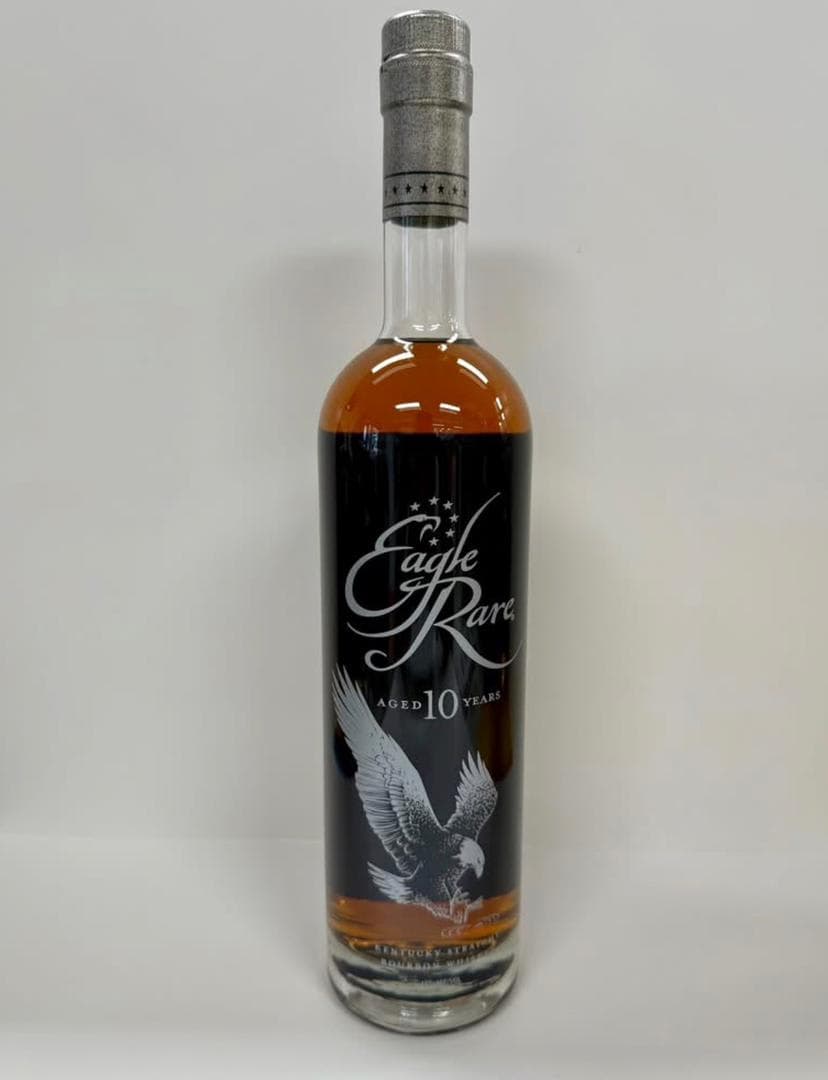
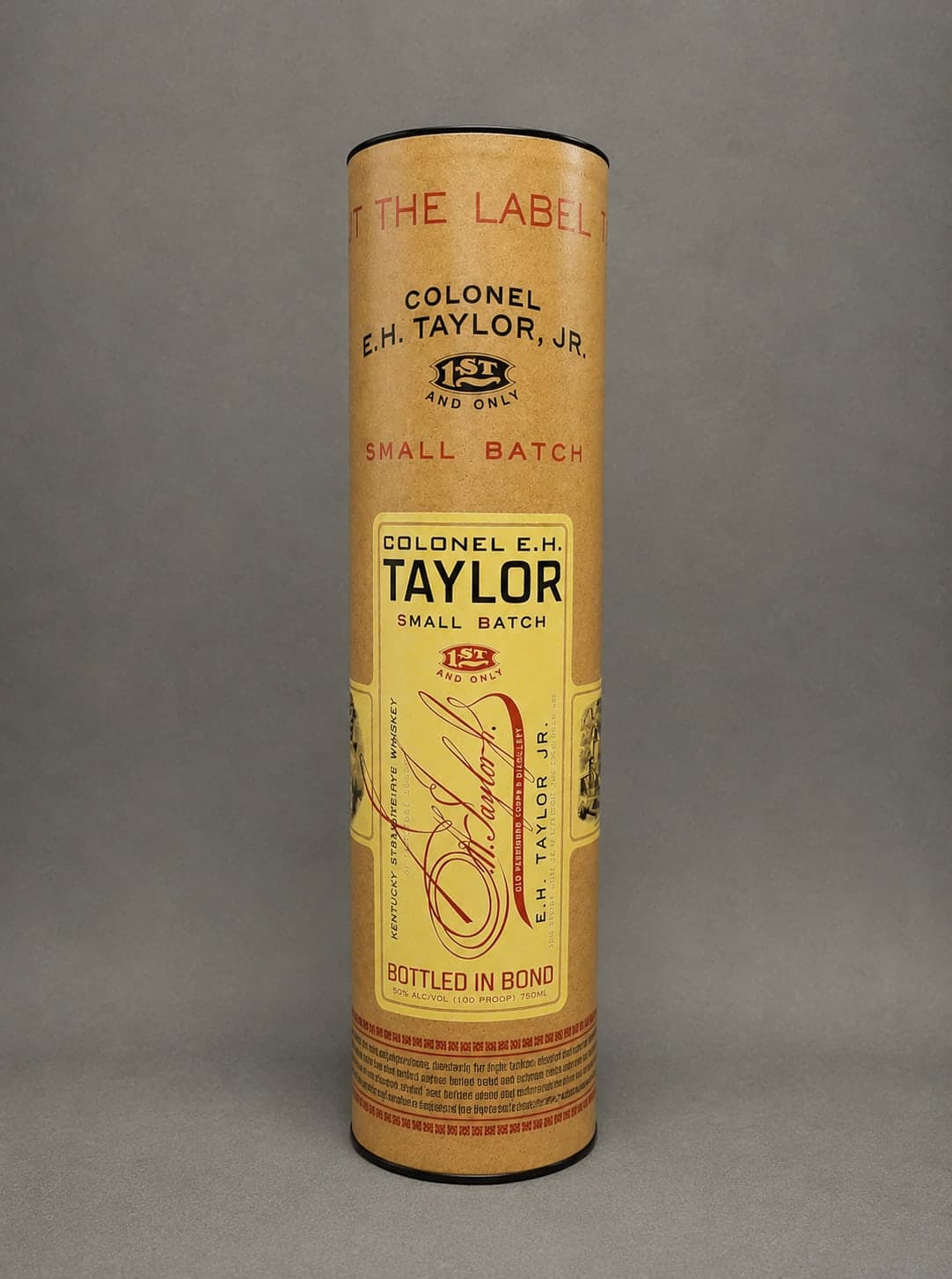
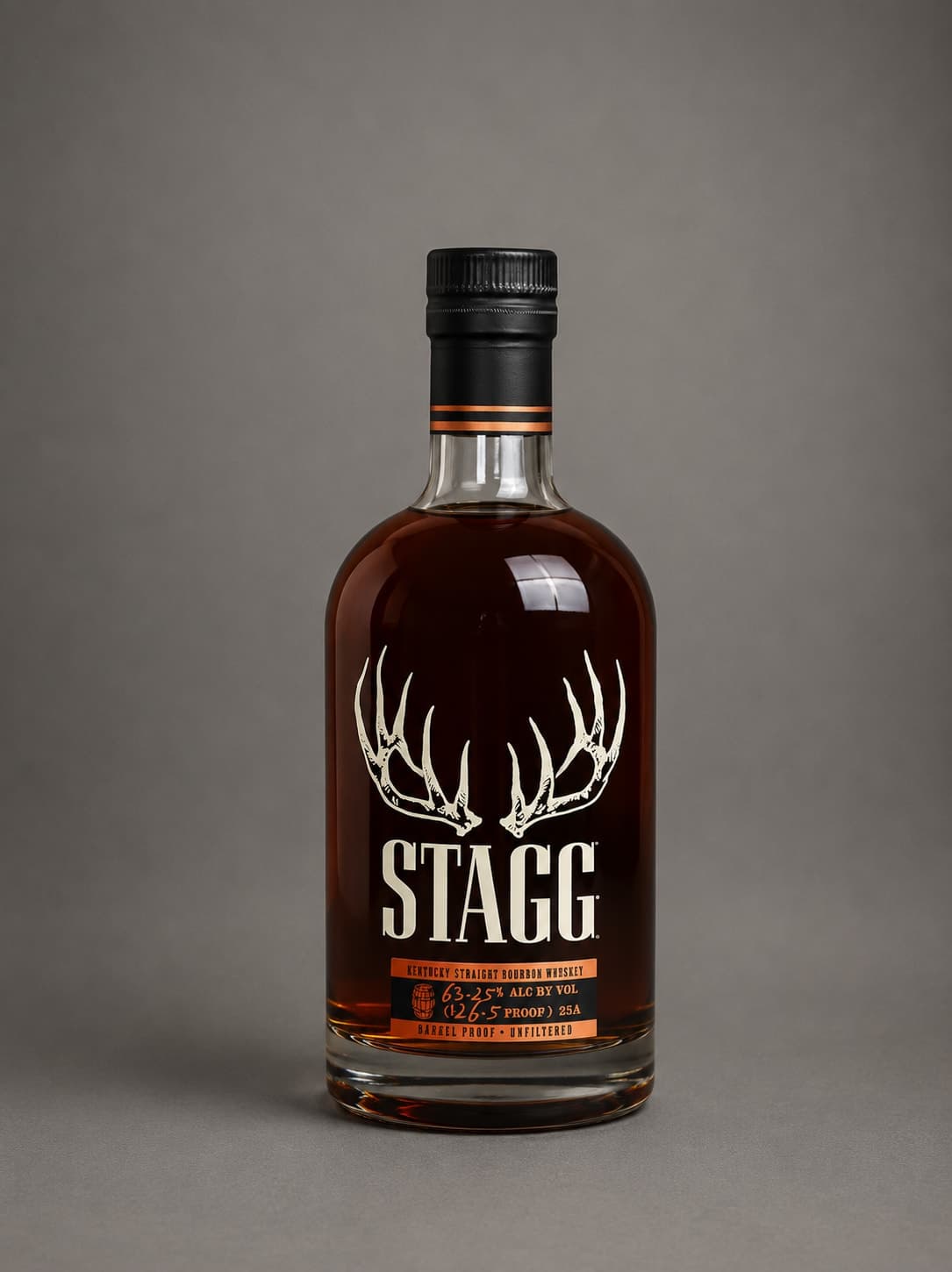
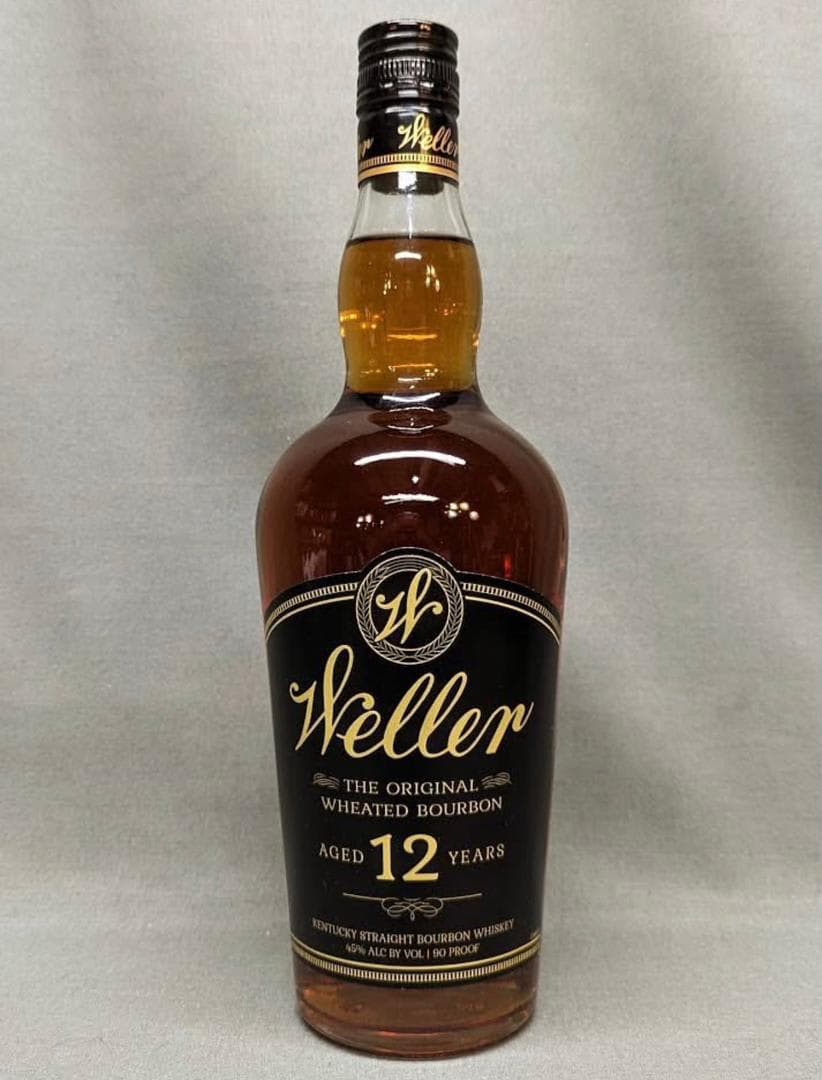
You do not need allocated bottles for this, and a flight of famous names is usually a worse evening than a well-built ladder of ordinary ones. A proof ladder from a 90-proof ten year up through a bonded 100 proof and on to something at barrel strength costs a fraction of one trophy bottle and demonstrates far more.
If you want one bottle to end on, make it the strongest rather than the rarest. Finishing at full proof leaves people with the clearest memory of the evening, and it is the pour they will talk about afterwards.
Tagged
Common Questions
Frequently Asked
- How many bourbons should a tasting include?
- Four. Three feels slight, five works with a disciplined group, and by six your sense of smell has fatigued and the last pours are wasted. Half an ounce per person per bottle is plenty.
- What order should you taste bourbon in?
- Lowest proof first, always, regardless of theme. A barrel-proof pour early flattens the palate and makes everything after it taste thin and sweet. If one bottle is much stronger than the rest, put it last.
- What food should you serve at a bourbon tasting?
- Plain crackers, plain bread and water during the tasting itself. Cheese, chocolate, smoked food and citrus are excellent with bourbon but ruin a comparison, so serve the real meal before or afterwards.
- Do you need Glencairn glasses for a bourbon tasting?
- They help, because the tulip shape concentrates aroma, and they are inexpensive. Small wine glasses are a good substitute. Heavy tumblers are the worst option for tasting — they are built to display ice, not to deliver smell.
- Should you add water when tasting bourbon?
- Yes, as a deliberate step. Taste the pour neat first, then add a few drops of room-temperature water to the same glass and taste again. On a high-proof whiskey the change is dramatic, and it teaches more than any tasting note.