Fundamentals
How to Taste Bourbon Properly
Glass, water, temperature and the Kentucky chew - the practical mechanics that get more out of a bottle you already own.
Wyatt Brennan
Head Bartender, The Cellar at Bourbon & Oak
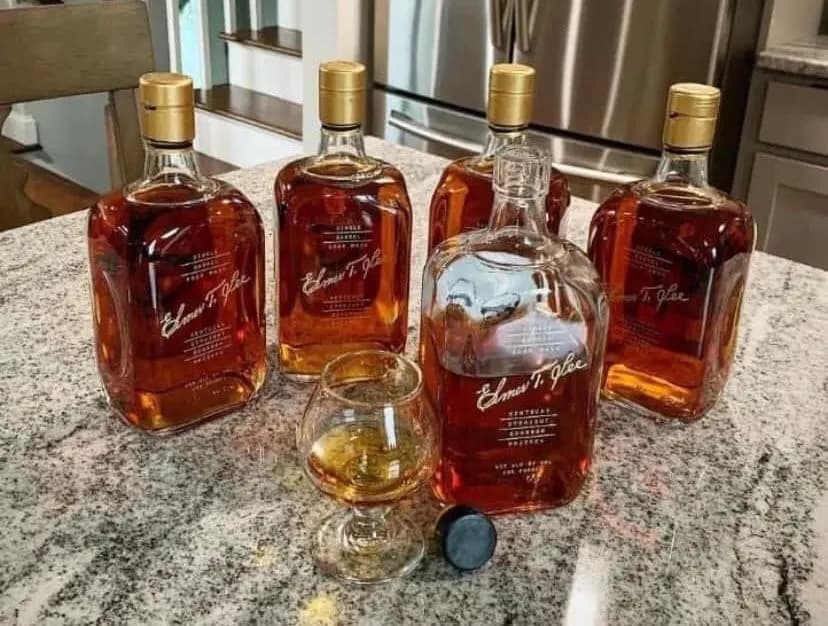
There is a version of whiskey tasting that is entirely theatre, and it puts sensible people off the whole business. This is not that. Everything below changes what you actually perceive in the glass, and most of it costs nothing.
1. The Glass Matters More Than the Bottle
A rocks tumbler has a wide mouth, which lets aromatics escape before they reach you. A tulip-shaped nosing glass - a Glencairn or a small copita - narrows toward the rim and concentrates them. Swapping glassware is the single largest improvement most drinkers can make, and it is more consequential than moving up a price tier in bottles. Serve the same whiskey in both, side by side, and the difference is not subtle.
2. Nose With Your Mouth Open
Bourbon at 90 to 130 proof carries enough ethanol to numb the olfactory receptors if you inhale sharply through the nose. Instead, hold the glass a little below your chin, part your lips, and breathe in gently through both nose and mouth at once. The alcohol vapour vents through the mouth while the aromatic compounds reach the nose. Take short breaks - your nose fatigues within seconds on high-proof spirits.
3. The Kentucky Chew
Named for Booker Noe, who tasted this way for decades. Take a small sip, then work it around the whole mouth as though chewing, coating the tongue, gums and palate before swallowing. It sounds affected and it is enormously effective, because it defeats the alcohol burn that otherwise dominates the first sip and lets the actual flavours register. Expect the first pour of any session to be mostly heat - that is normal. The second tells the truth.
4. Water Is Not Cheating
Adding a few drops of water lowers the alcohol concentration and breaks the surface tension, releasing aromatic compounds that were previously bound up. On a barrel proof bourbon this is not optional - it is how the whiskey was designed to be assessed. Add water a drop at a time, taste after each, and stop the moment the whiskey opens rather than thinning.
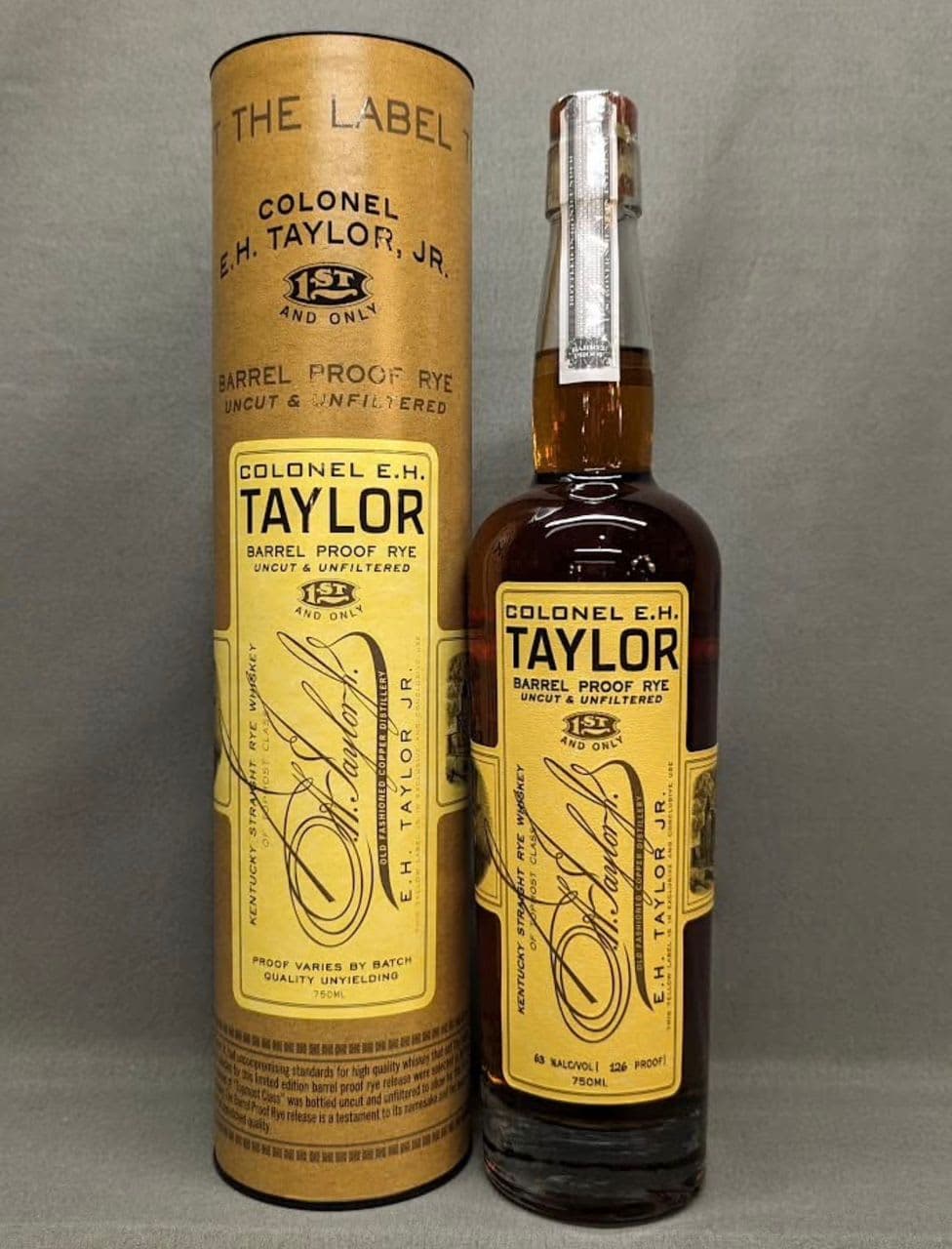
The demonstration worth doing at home: pour E.H. Taylor Barrel Proof at 131 proof, taste it neat, then add three drops and taste again. Very little else teaches the lesson so quickly. Ice is a different matter - it dilutes as it melts, so you never taste the same drink twice, and the cold suppresses aromatics. Excellent on a hot afternoon, useless for evaluation.
5. Build the Flight in the Right Order
Palate fatigue is real and it arrives faster than people expect. Three whiskeys is a good session; five is the practical maximum. Always run from lowest proof to highest - a 130 proof barrel strength bourbon will flatten your palate for anything gentler that follows.
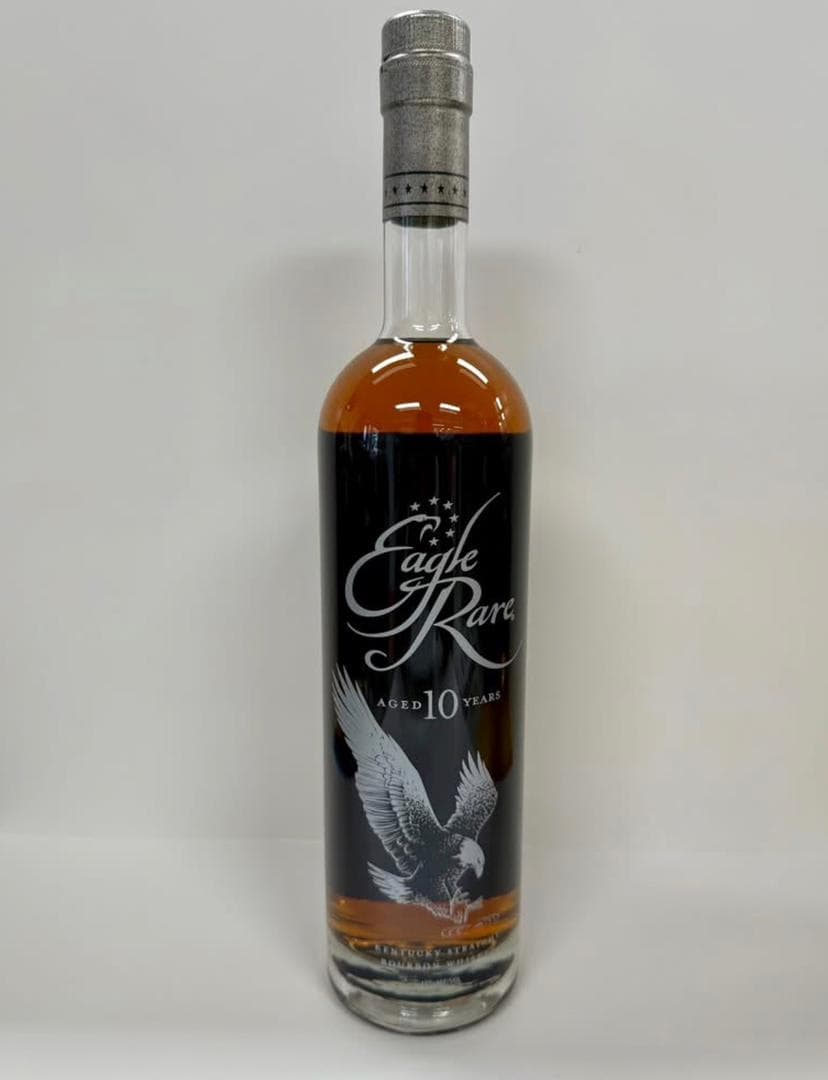
- Start gentle: Eagle Rare 10 Year at 90 proof, to set a baseline.
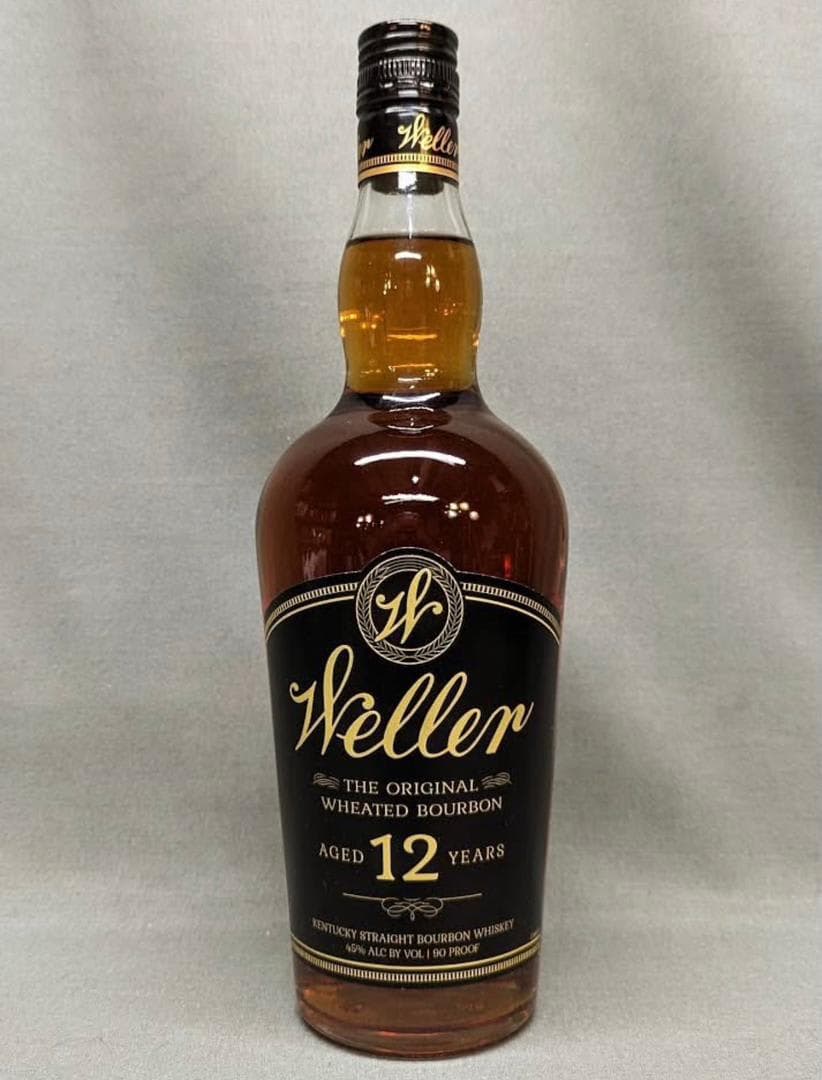
- Change the grain, hold the strength: Weller 12 Year at 90 proof, wheated, so the only variable is the mash bill.
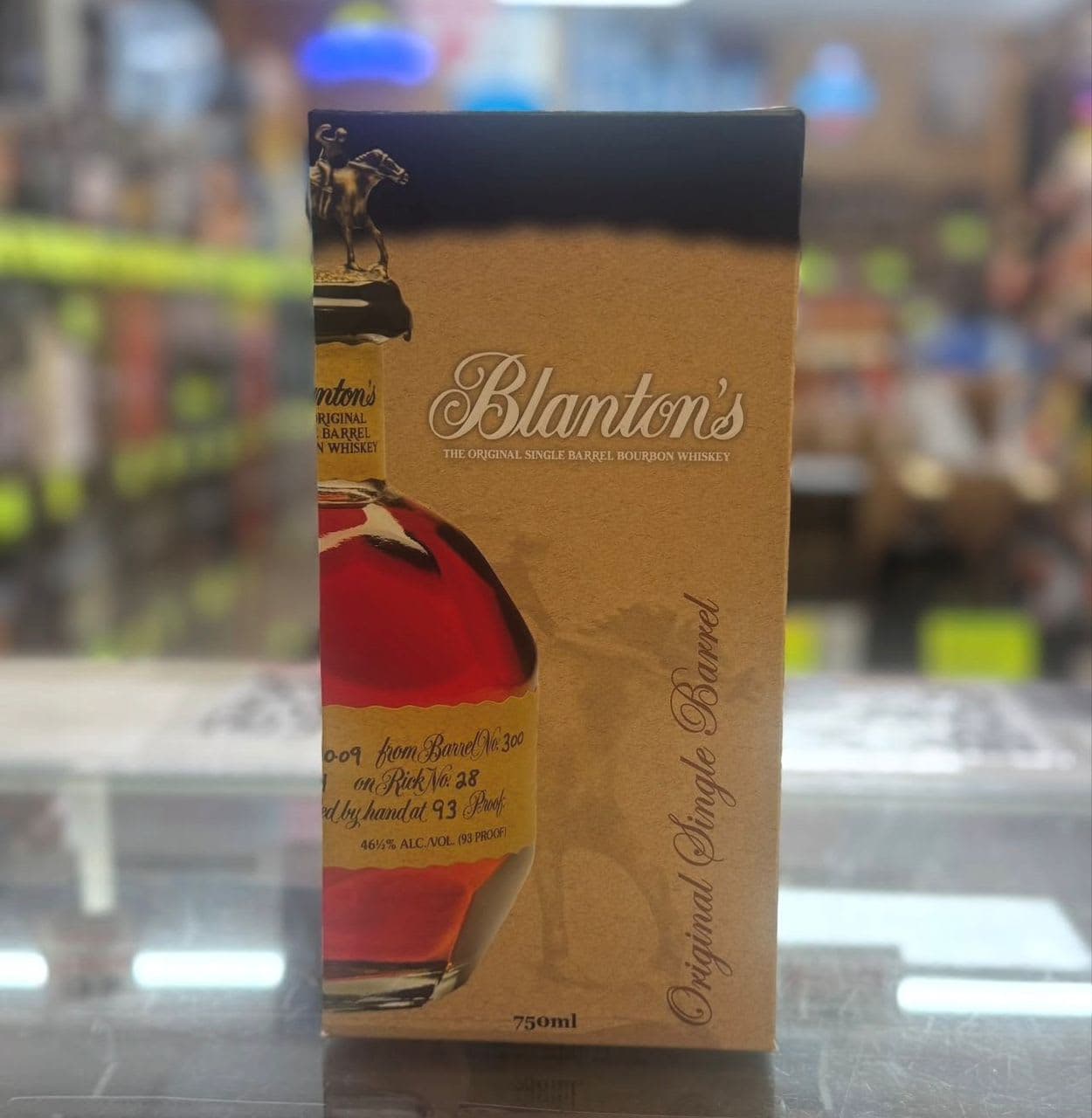
- Step up the proof: Blanton's Original at 93 proof, then finish with something at barrel strength.
6. Vocabulary Is a Tool, Not a Test
Nobody is scoring you. The purpose of naming what you taste is to make the memory retrievable, so that next time you can buy deliberately rather than hopefully. Four questions are enough: is it sweet or dry, is it spicy or soft, is the finish short or long, and would you buy it again. Anyone able to answer those consistently is tasting better than most people who can recite a wheel of descriptors.
If you would like to do this with someone talking you through it, our distillery tour and tasting runs a guided flight in the rickhouse. To understand what you are comparing before you pour, start with the mash bill guide, and the ranked buying guide covers what to stock once you know your preference. The full range is in the shop.
Tagged
Common Questions
Frequently Asked
- Should you add water to bourbon?
- Yes, particularly above about 100 proof. A few drops lower the alcohol concentration and break surface tension, releasing aromatic compounds. Add one drop at a time and stop when the whiskey opens rather than thins.
- What is the best glass for tasting bourbon?
- A tulip-shaped nosing glass such as a Glencairn or copita. The narrowing rim concentrates aromatics, where a wide rocks tumbler lets them escape. It is a bigger improvement than spending more on the bottle.
- What is the Kentucky chew?
- A technique associated with Booker Noe: take a small sip and work it around the entire mouth as though chewing before swallowing. It coats the palate and defeats the initial alcohol burn so the flavours register.
- Is it wrong to drink bourbon with ice?
- Not at all, but it is poor for evaluation. Ice dilutes continuously so the drink never stays the same, and cold suppresses aromatics. Taste neat or with a few drops of water first, then add ice if you prefer it.
- How many bourbons should be in a tasting flight?
- Three is ideal and five is the practical maximum before palate fatigue. Always work from the lowest proof upward, with plain still water between pours.