Fundamentals
Wheated vs High-Rye Bourbon: How the Mash Bill Changes the Glass
Corn is the law. The second grain is the decision - and it is the one that determines whether you will actually like the bottle.
Eleanor Hayes
Master Distiller, Bourbon & Oak
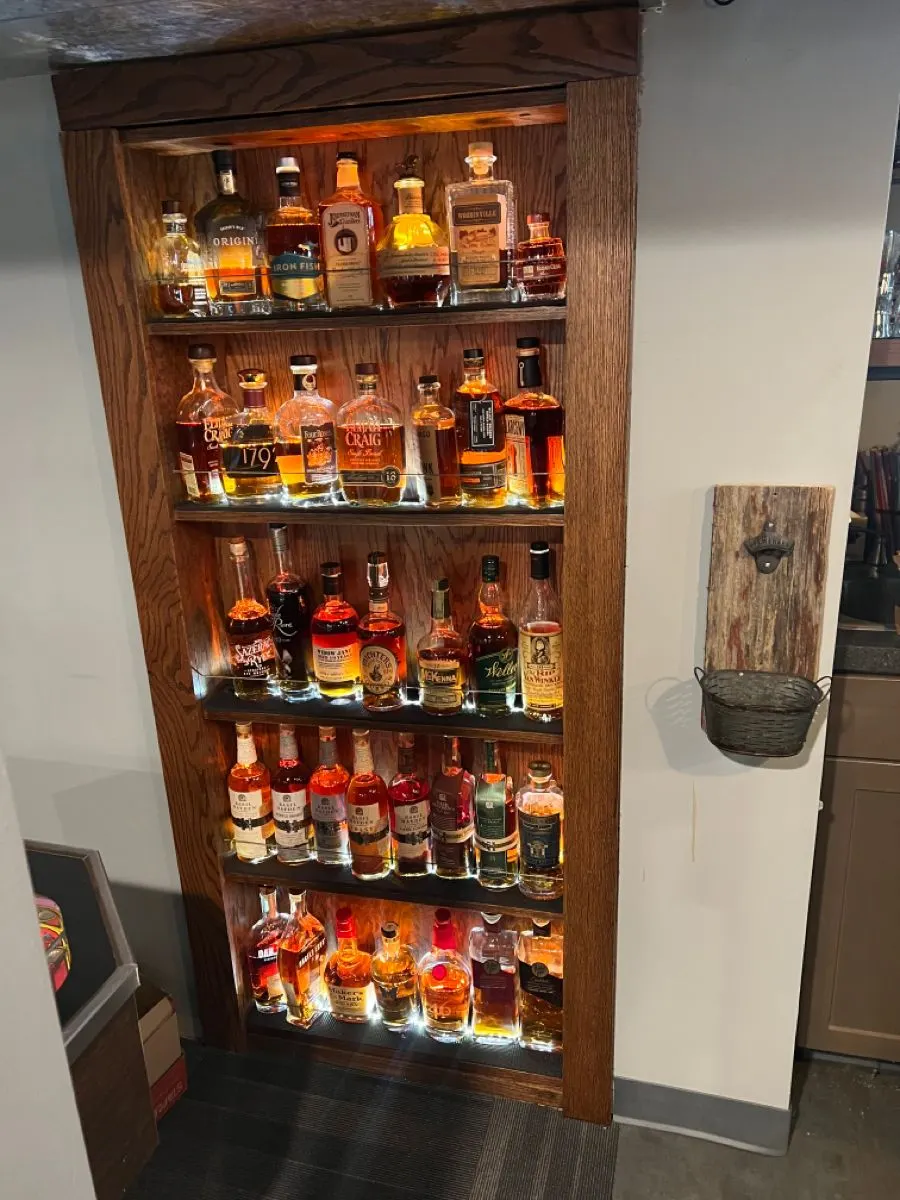
If you remember one thing about buying bourbon, make it this: find out whether you prefer wheat or rye as the second grain, and you will stop wasting money. Price, age and rarity tell you very little about whether a bottle suits your palate. The mash bill tells you almost everything.
The law fixes only the corn: at least 51 percent, which supplies sweetness and body. Distillers then choose what fills the remainder, alongside a small amount of malted barley that provides the enzymes for fermentation. Two schools have emerged, and the gap between them is far wider than the gap between a good bourbon and a great one.
Wheated Bourbon: Soft, Round, Bakery
Replace the rye with winter wheat and you remove the spice rather than adding a flavour. Wheat is a quiet grain. It contributes very little of its own character, which lets the corn sweetness and the oak come forward unopposed. The result is a bourbon that reads as soft, honeyed and gently bready - vanilla, caramel, baked apple, sometimes a note like warm shortbread.
Wheated bourbon also tends to reward long ageing unusually well. Without rye spice to balance it, a young wheater can taste thin; give it twelve to fifteen years and the oak fills that space with leather, dark caramel and dried fruit. That is the entire logic of the Van Winkle range, and why Pappy Van Winkle 15 Year is built the way it is.
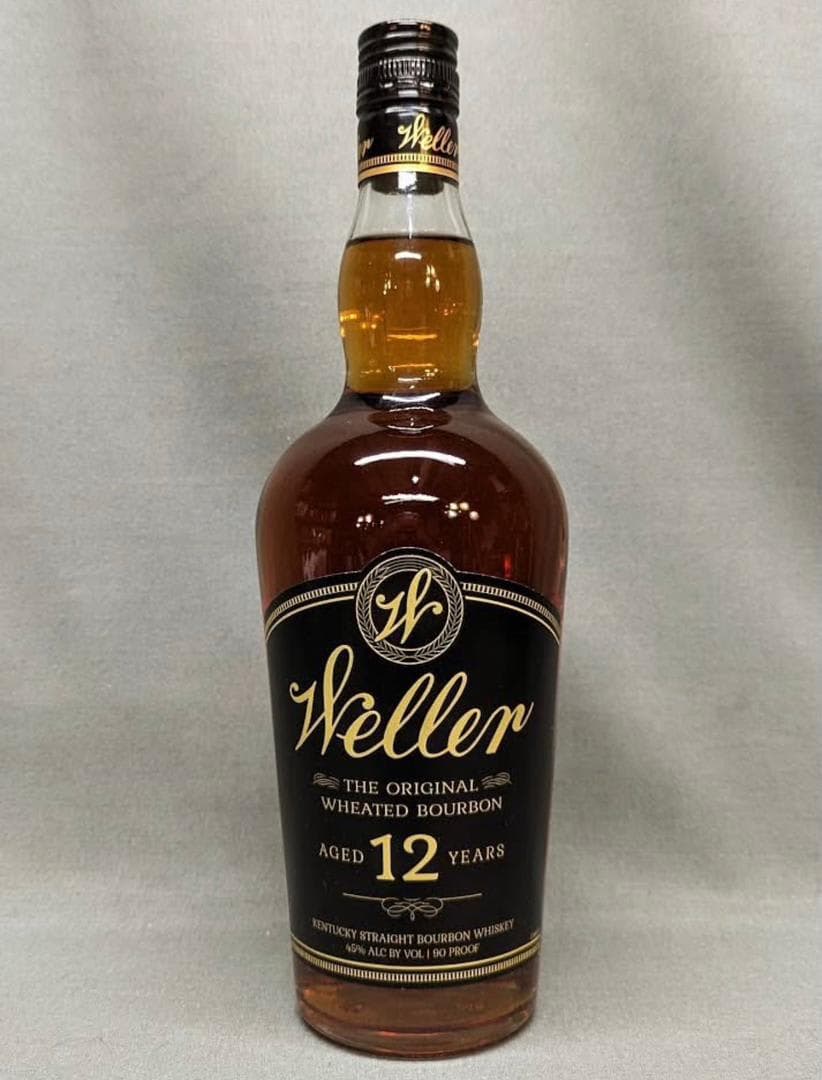
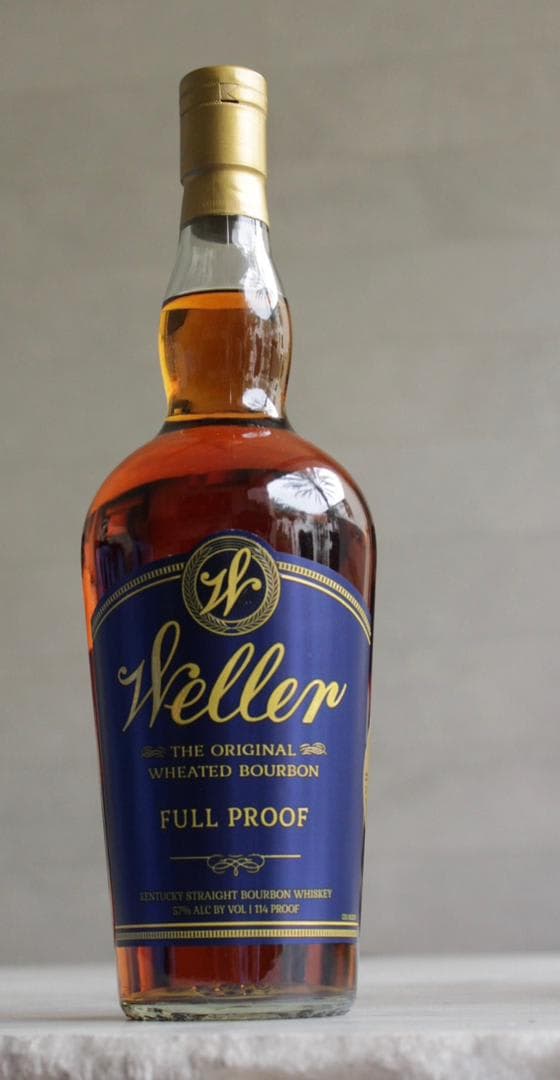
If you want to learn the profile without the allocated price, Weller 12 Year shares the mash bill and the warehouses at 90 proof. Move up to W.L. Weller Full Proof at 114 proof to see what the same recipe does undiluted, and William Larue Weller is where the style reaches its ceiling.
High-Rye Bourbon: Spice, Structure, Bite
Rye is the opposite of a quiet grain. Even at fifteen or twenty percent of the mash it asserts itself - black pepper, mint, clove, a dry herbal edge that cuts across the corn sweetness. Where a wheater is a round shape in the mouth, a high-rye bourbon has corners.
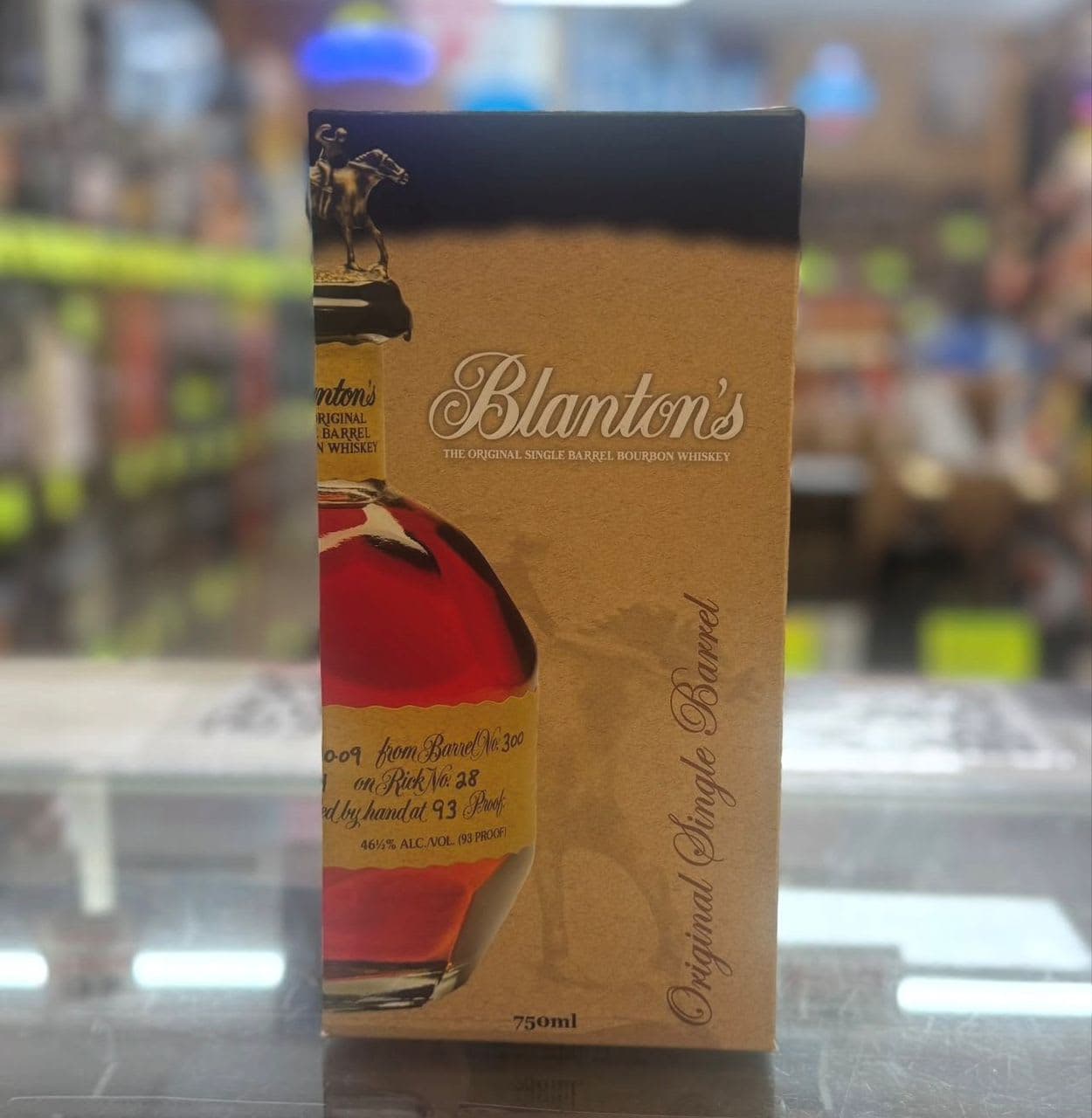
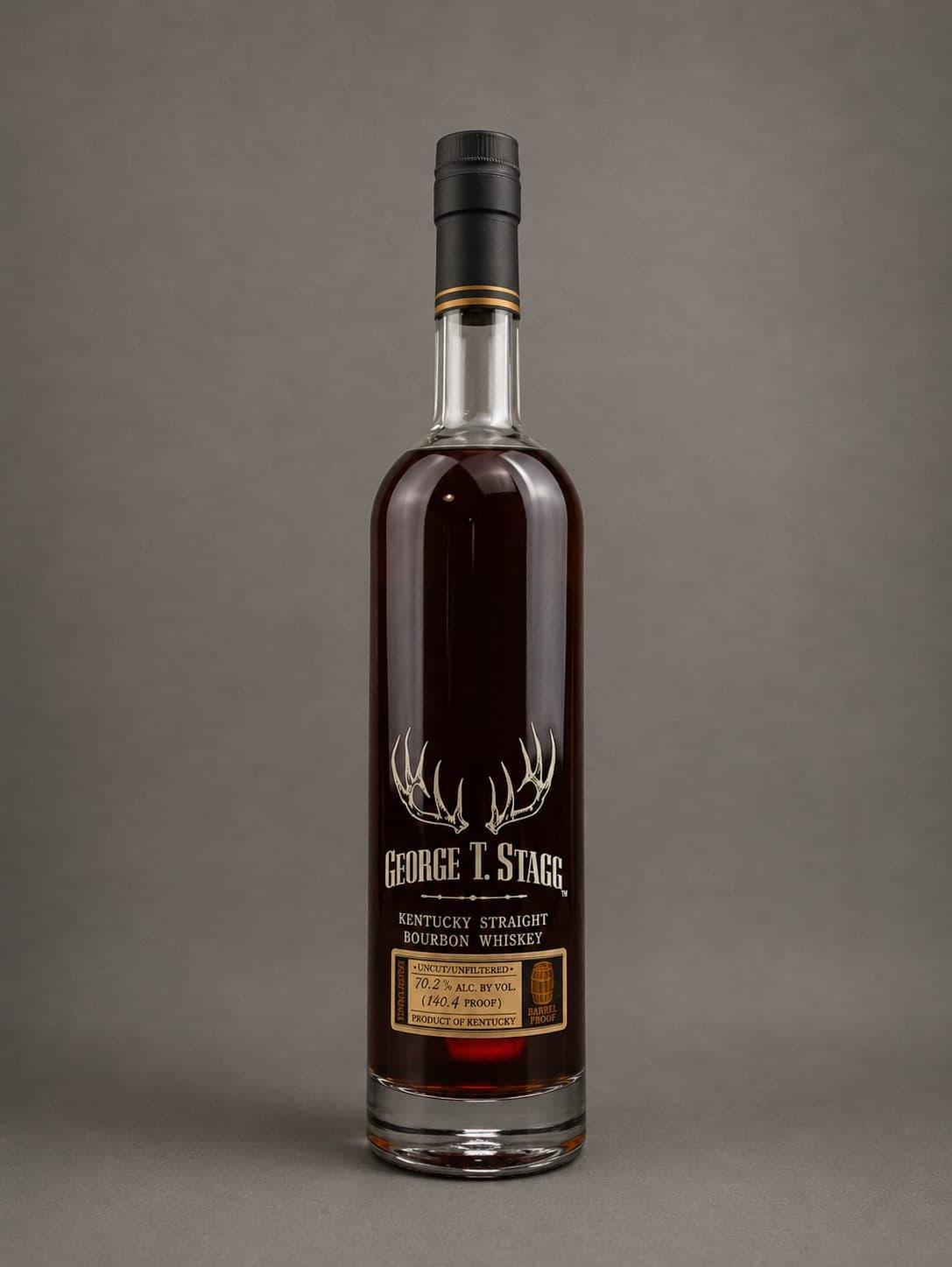
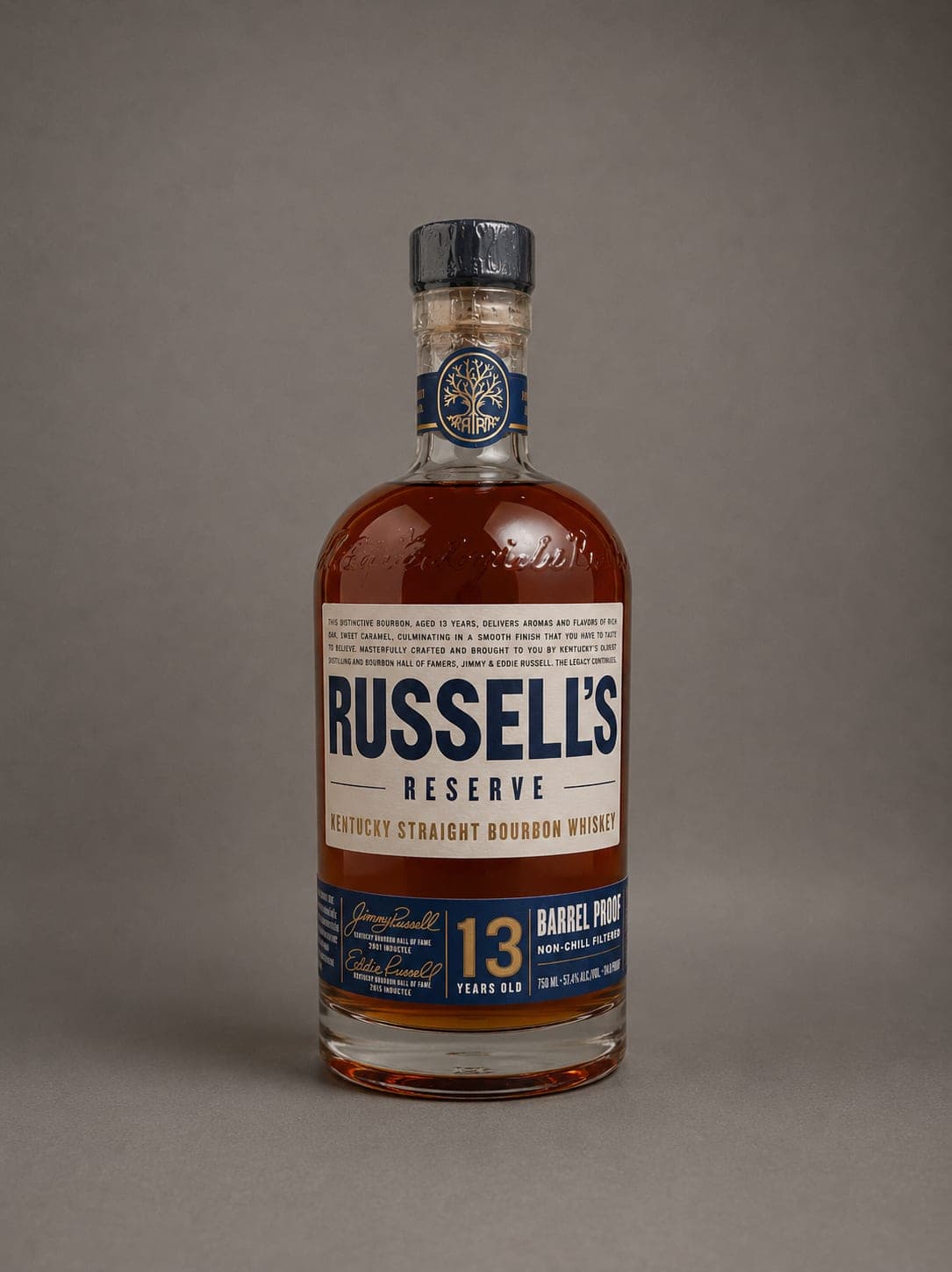
That structure is why high-rye bourbons make better cocktails. In an Old Fashioned or a Manhattan, the spice survives dilution and sugar where a delicate wheater simply disappears. Blanton's Original Single Barrel is the classic reference point, and at barrel strength George T. Stagg shows what the style becomes when nothing is held back. Outside the Buffalo Trace orbit, Russell's Reserve 13 Year is the clearest expression of the Wild Turkey take on spice.
How to Find Out Which You Prefer
Do not read about it. Buy two bottles at similar proof and taste them side by side on the same evening, in the same glass shape, with water available. Proof matters enormously here - comparing a 90 proof wheater against a 130 proof high-rye tells you about alcohol, not about grain.
- A fair wheated-versus-rye pairing at similar strength: Weller 12 Year at 90 proof against Blanton's Original at 93 proof.
- The same comparison at full strength: Weller Full Proof at 114 proof against E.H. Taylor Barrel Proof at 131 proof, both with water to hand.
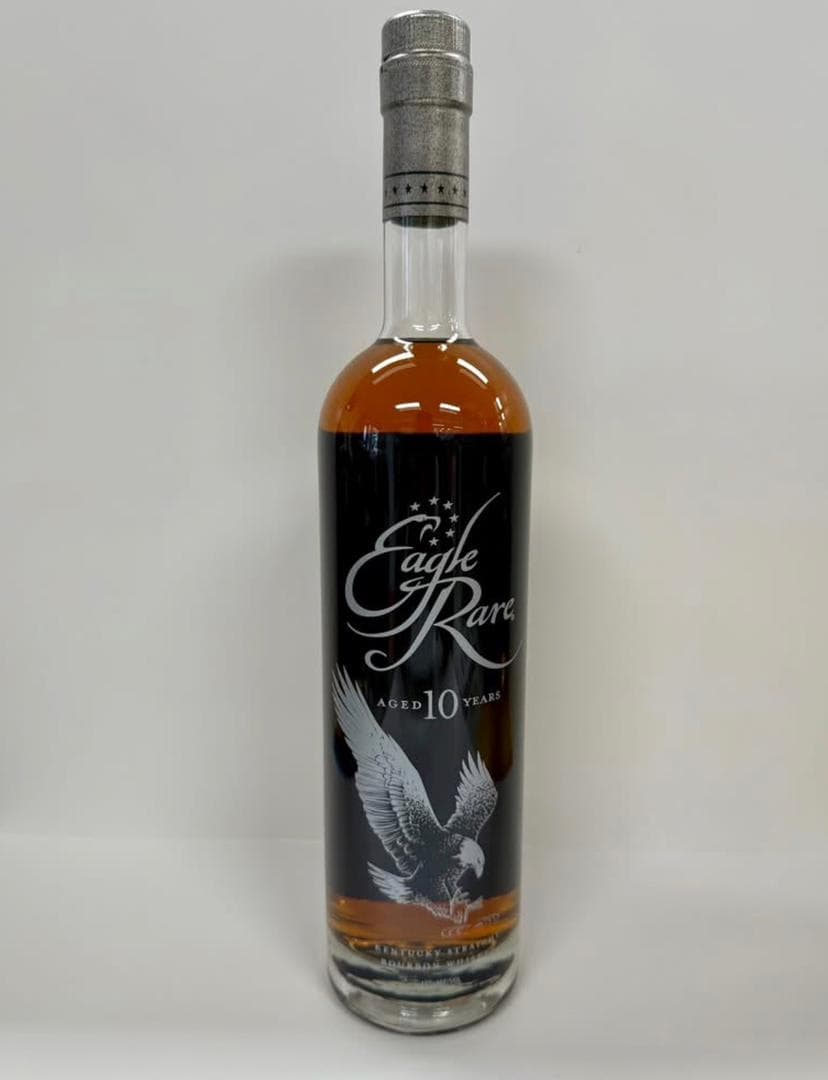
- A middle-of-the-road control to calibrate against: Eagle Rare 10 Year at 90 proof.
Whichever way you land, it will change what you buy for years. If the answer is wheat, the allocated collection is where the deep end of that style lives. If it is rye, the barrel proof bottles are where it gets interesting. Either way, our tasting guide explains how to run the comparison properly, and the ranked buying guide tells you what each profile costs.
Tagged
Common Questions
Frequently Asked
- What is a wheated bourbon?
- A bourbon whose secondary grain is winter wheat rather than rye. Wheat contributes little flavour of its own, which lets corn sweetness and oak come forward - producing a softer, honeyed, bready profile. Weller and Van Winkle are the best known examples.
- Is Weller the same mash bill as Pappy Van Winkle?
- Both are wheated bourbons produced at Buffalo Trace from the same wheated recipe and aged in the same warehouses. The differences come down to age, barrel selection and proof, which is why Weller 12 Year is often called poor mans Pappy.
- Which bourbon is better for an Old Fashioned?
- A high-rye bourbon. Rye spice survives dilution and sugar, so the drink keeps its structure. A delicate wheated bourbon tends to disappear behind the bitters and sugar.
- Why do wheated bourbons age so well?
- Without rye spice occupying the mid-palate, a young wheater can taste thin. Extended time in new charred oak fills that space with leather, dark caramel and dried fruit, which is why the wheated style dominates the very old age statements.