Fundamentals
Rye Whiskey vs Bourbon: One Grain Apart
The legal difference is a single number. The difference in the glass is the difference between a cake and a cracker.
Wyatt Brennan
Head Bartender, The Cellar at Bourbon & Oak

Federal law defines both categories in the same place and with almost identical wording. Distil below 160 proof, barrel at 125 or less, use new charred oak, bottle at 80 or above, add nothing for colour or flavour. The categories part company on one clause: bourbon needs at least 51% corn, rye needs at least 51% rye.
That is the whole legal distinction. One word in one line. And it produces two spirits nobody would mistake for each other.
What the Grain Actually Does
Corn is sweet and broad. It brings body, a rounded mouthfeel and the caramel-and-vanilla base that oak then builds on. A corn-led whiskey arrives soft and fills the middle of your palate.
Rye is the opposite animal. It is dry, peppery and angular, with notes that run to black pepper, clove, mint, dill and anise. Where bourbon spreads out, rye draws in. It finishes faster and cleaner, and it leaves a sort of crispness that bourbon does not.
- Bourbon: sweet, round, vanilla and caramel forward, longer and softer finish.
- Rye: dry, peppery, herbal and mint-edged, tighter and quicker finish.
- Both get colour, vanilla and oak spice from new charred oak — that part does not change.
- "Straight" on either means at least two years in wood, and under four years the age must be stated.
- A high-rye bourbon is still bourbon. More rye than its neighbours, but corn still has the majority.
Why Rye Nearly Disappeared
Rye was America's first great whiskey, and it was centred on Pennsylvania and Maryland rather than Kentucky. In 1810 Pennsylvania shipped several times more spirit than Kentucky did, most of it rye from the Monongahela valley.
Prohibition ended it. The distilleries closed, the land and labour went to industry, and by the time the country was drinking again the public had moved to lighter things — vodka, gin, Canadian whisky. Rye limped through the middle of the twentieth century as a category that barely sold, and several famous names were sold off, moved to Kentucky, or turned into Canadian products.
It came back through bartenders. The cocktail revival of the 2000s needed a spirit that could hold its shape against vermouth and bitters, rediscovered that the original recipes called for rye, and dragged the category back into production. Rye today exists largely because people wanted to make a proper Manhattan.
Which One for Which Drink
This is where the difference stops being academic. Rye's dryness is a structural asset in a cocktail: it stands up to sweet modifiers instead of disappearing into them.
- Manhattan — rye, properly. Sweet vermouth needs something dry to argue with, and bourbon makes it cloying.
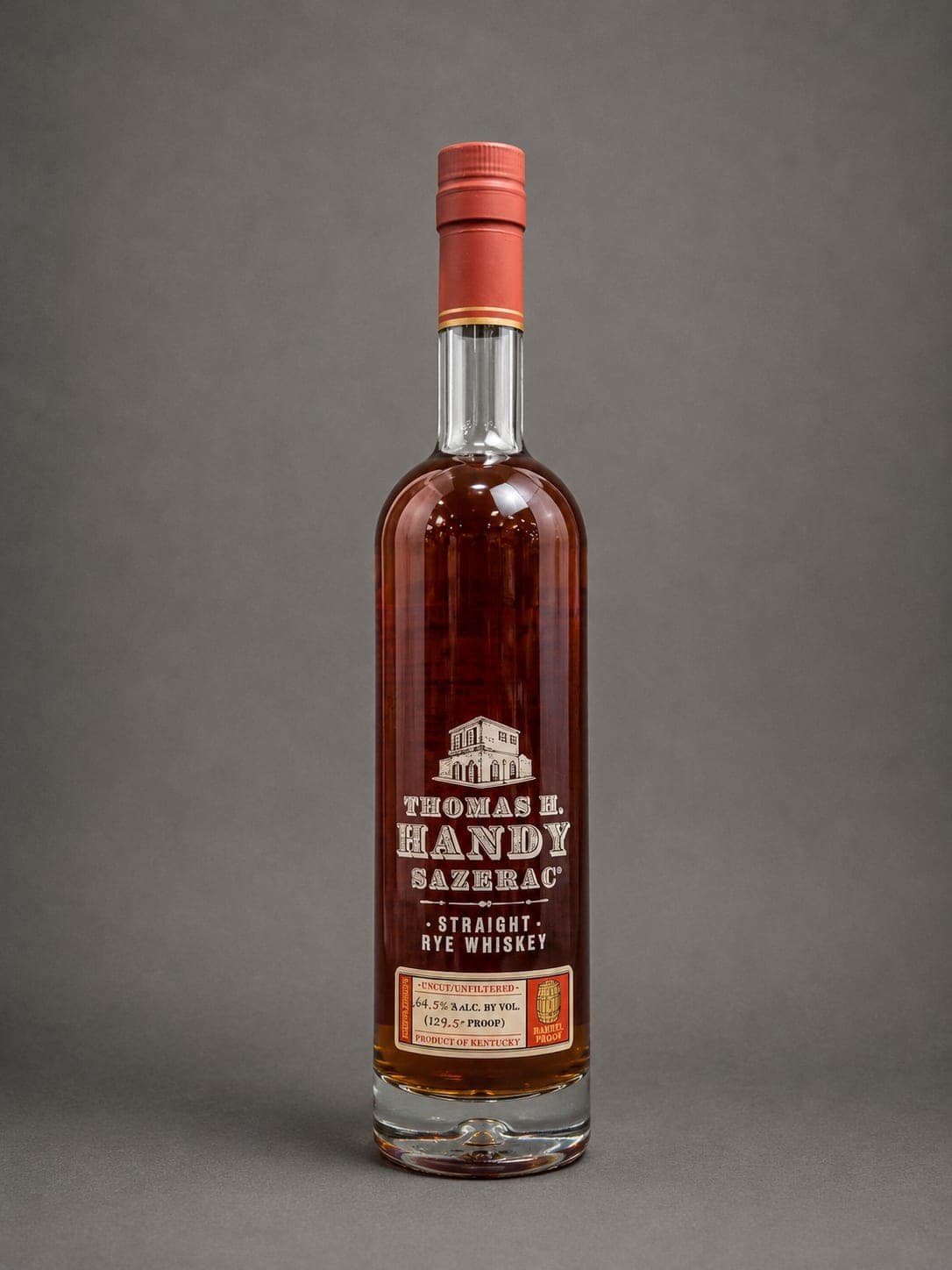
- Sazerac — rye by definition, with absinthe and Peychaud's. It is the drink the category is built around.
- Old Fashioned — either, and genuinely a matter of taste. Bourbon gives a rounder, sweeter drink; rye gives a sharper, drier one.
- Whiskey Sour — bourbon suits it, because the lemon already supplies the sharpness.
- Boulevardier — bourbon for richness against the Campari, though rye works if you want it leaner.
- Neat — whichever you prefer. There is no rule here and anyone who tells you otherwise is selling something.
Where to Start With Rye
If bourbon is what you know, the jump can be abrupt. The useful bridge is a high-rye bourbon: still corn-led and familiar, but with the pepper turned up enough that you can hear what rye is going to do.
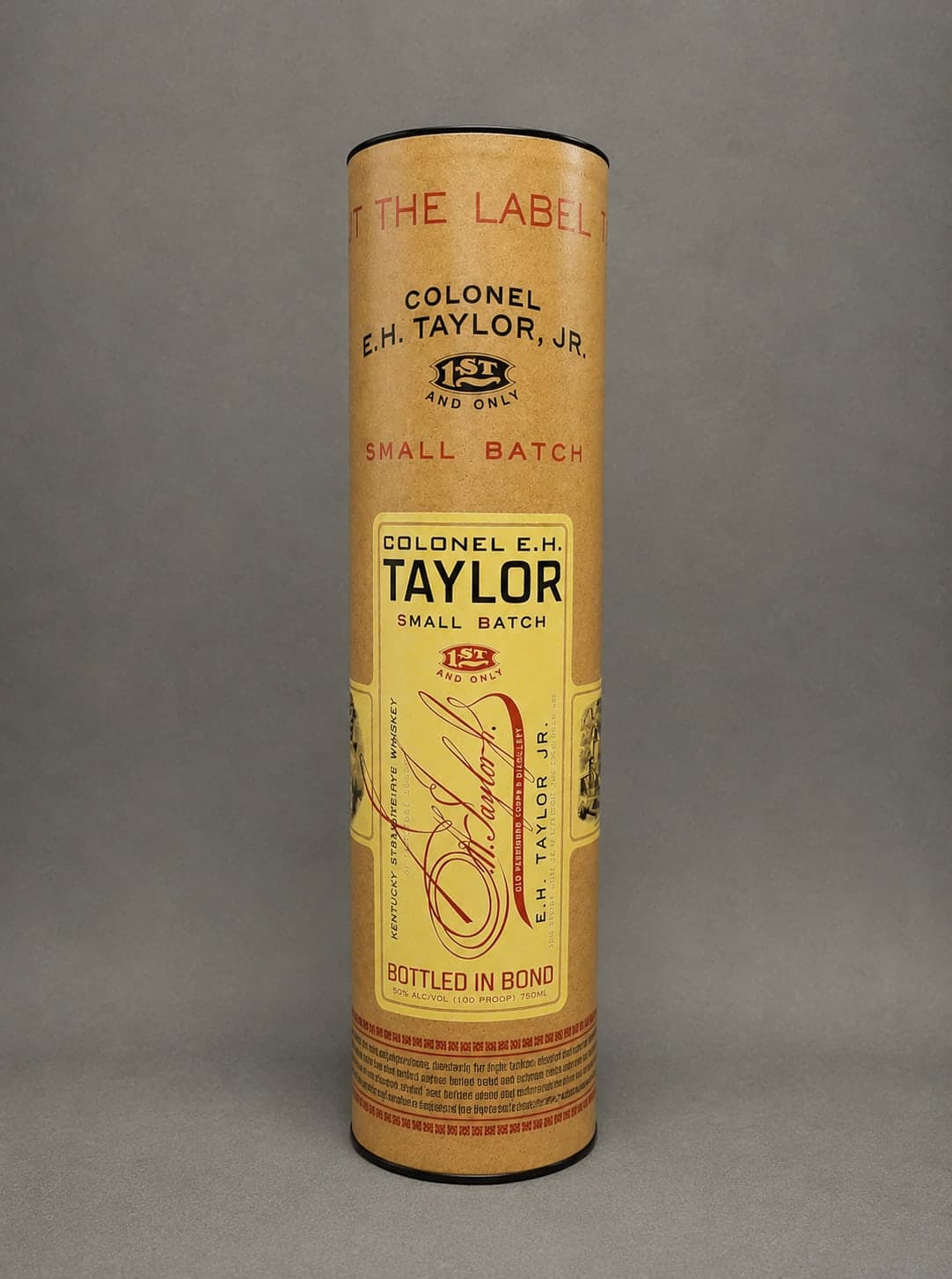
From there, a proper rye at strength makes the case better than anything mild. A barrel-proof rye is dry and peppery in a way no bourbon is, with clove and cinnamon where a bourbon would give caramel — and it is the rye entry in a collection otherwise made up of bourbons, which tells you how differently the category drinks.
Put a bourbon and a rye of similar proof side by side and taste them against each other rather than separately. The contrast does the teaching, and you will never need the legal definition again.
Tagged
Common Questions
Frequently Asked
- What is the difference between rye whiskey and bourbon?
- One clause of law. Bourbon must be at least 51% corn and rye whiskey at least 51% rye; everything else — new charred oak, 160 proof distillation limit, 125 barrel entry, 80 proof minimum — is the same. Corn gives sweetness and body, rye gives dry pepper and herbs.
- Is high-rye bourbon the same as rye whiskey?
- No. A high-rye bourbon still has corn in the majority, with rye raised as the secondary grain. A rye whiskey has rye in the majority. The first is a bourbon with more spice; the second is a separate category.
- Should a Manhattan be made with rye or bourbon?
- Rye, traditionally and for a good reason. Sweet vermouth needs a dry spirit to balance it, and bourbon's sweetness can make the drink cloying. Bourbon is the better choice in a Whiskey Sour, where the lemon already supplies the edge.
- Why did rye whiskey almost disappear?
- Prohibition closed the Pennsylvania and Maryland distilleries that were its heartland, and by repeal the public had moved to lighter spirits. Rye survived marginally until the cocktail revival of the 2000s brought it back, largely because classic recipes call for it.
- What does rye whiskey taste like compared to bourbon?
- Drier and sharper. Expect black pepper, clove, mint, dill and anise where a bourbon gives caramel and vanilla, with a tighter, quicker finish. Both still carry oak spice and colour from the charred barrel.