Buying Guide
Who Actually Distilled Your Bourbon?
Non-distiller producers, the Indiana question, and how to read a back label for the truth about where a whiskey was made.
Wyatt Brennan
Head Bartender, The Cellar at Bourbon & Oak

Somewhere between a third and a half of the bourbon brands on a well-stocked shelf were not distilled by the company whose name is on the front. The brand bought mature whiskey from someone else, blended it, proofed it and bottled it. The industry calls these companies non-distiller producers, or NDPs, and there is a long-running argument about whether that matters.
The honest answer is that it matters less than the internet says and more than the marketing does. Sourcing is not a defect — it is how the American whiskey industry has worked for well over a century, and some of the best-reviewed bottles of the past decade were sourced. What is a defect is a brand that invents a heritage it does not have, prints a founding date for a distillery that never existed, and hopes you do not read the back.
Why Sourcing Exists at All
Bourbon has a structural problem: you must spend the money years before you can earn it. A new distillery pays for grain, equipment, barrels, a warehouse and staff, then waits four, eight or twelve years before it has anything worth selling at a premium. Very few businesses can survive that gap. Buying mature whiskey from a distillery with surplus stock lets a new brand exist while its own barrels sleep.
There is also a genuine craft in it. Selecting barrels from someone else's warehouse, blending them into something coherent, and choosing a proof is real work — the same work a master blender does at a distillery that owns its stills. A skilled NDP with access to good stock can and does outperform a mediocre distillery bottling its own product.
How to Read the Back Label
U.S. labelling rules require certain disclosures, and they are usually printed in the smallest legal type on the back. Learning to find them takes about thirty seconds per bottle.
- Find the state of distillation. A bourbon made outside Kentucky must say so. The phrase distilled in Indiana is the single most informative sentence on many back labels.
- Look for distilled by followed by a company name and city. That is the actual maker. If the sentence begins produced by or bottled by, the brand is not claiming to have distilled it.
- Check for a DSP number — a Distilled Spirits Plant registration like DSP-KY-113. Enthusiast databases map these to real facilities.
- Read the age statement, or note its absence. A bourbon with no age statement is at least four years old, or it would have to declare a younger age.
- Ignore the front entirely for this purpose. Founding dates, family names and the word craft carry no legal meaning whatsoever.
The Indiana Question
One facility in Lawrenceburg, Indiana — known for most of its modern life as MGP — has supplied so many brands that its house recipes are recognisable on their own. Its high-rye bourbon and its 95% rye whiskey have appeared under dozens of labels at wildly different prices. Two bottles that look like competitors can be the same liquid at different proofs.
This is worth knowing mainly as a pricing check. If you enjoy a particular sourced profile, there is usually a version of it costing considerably less than the one with the most elaborate packaging. It is also a reminder that a Kentucky-shaped bottle and a Kentucky-sounding name do not make a whiskey Kentucky bourbon. Only the state of distillation does — which is why Kentucky straight bourbon on a label is a specific factual claim rather than a mood.
What Distillery-Owned Bottles Give You
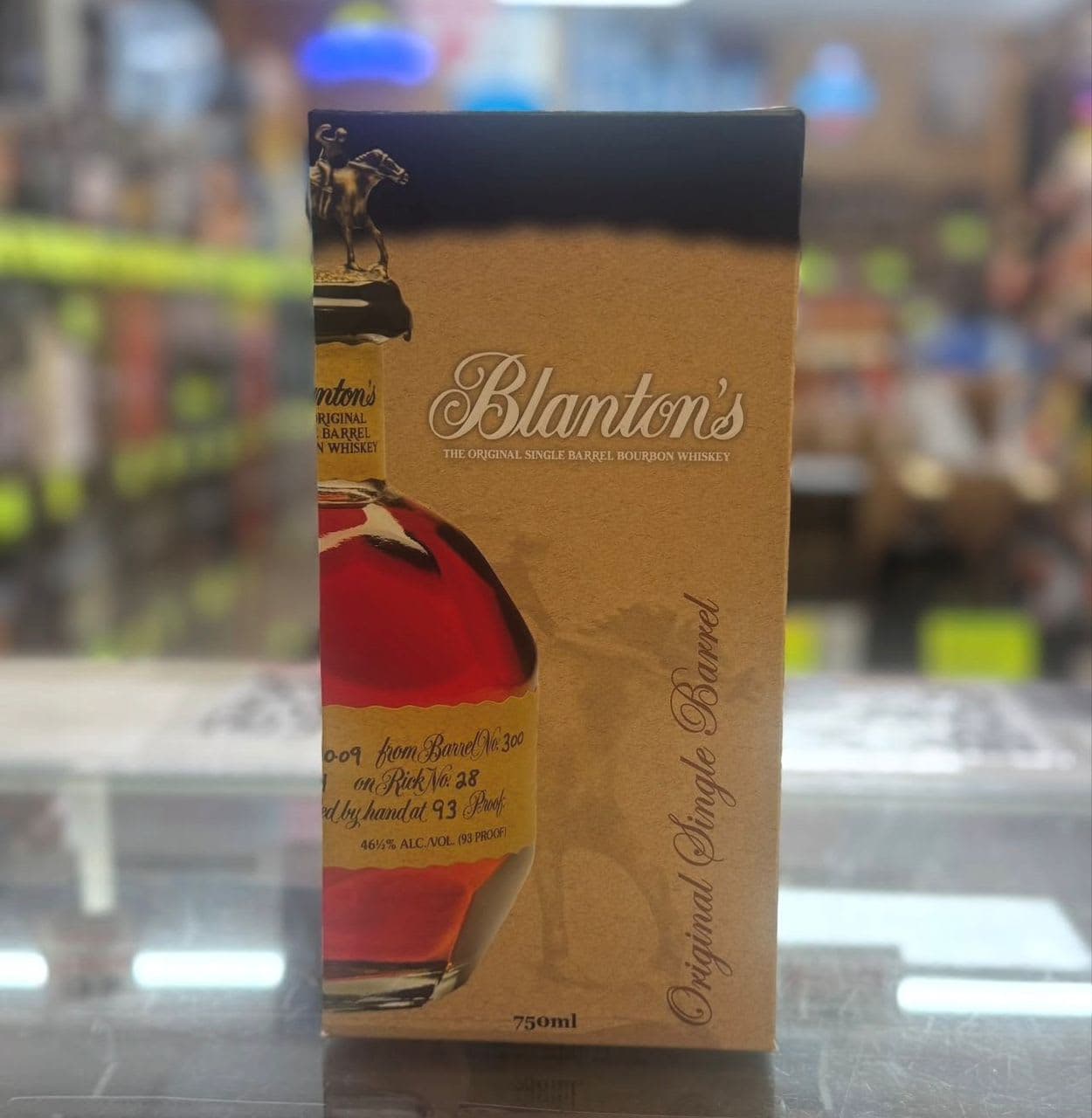
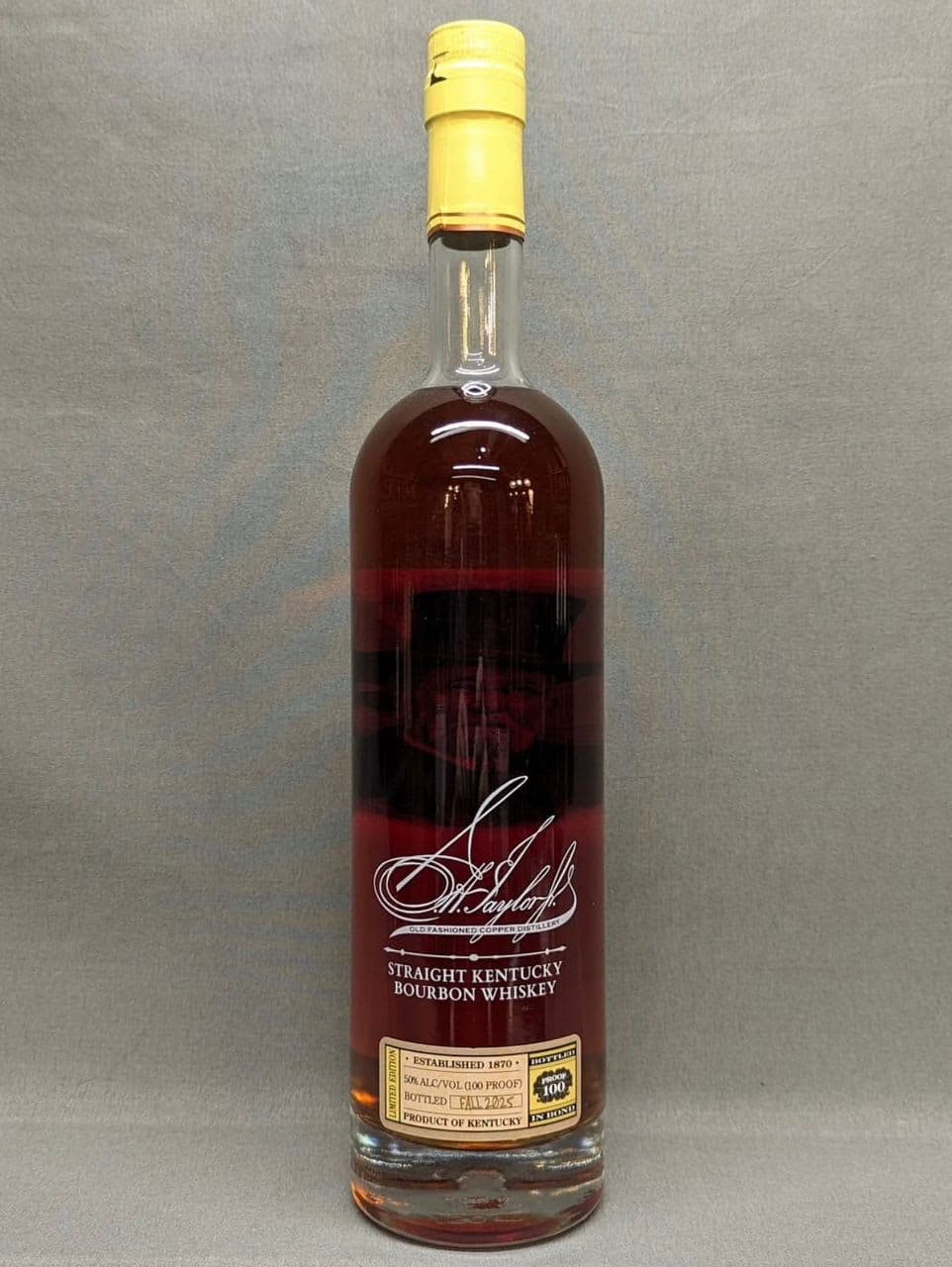
The case for buying from a distillery that made the whiskey is not that the liquid is automatically better. It is consistency and traceability. When a distillery controls the mash bill, the yeast, the entry proof and the warehouse, it can reproduce a profile year after year, and it can tell you exactly which warehouse and floor a barrel came from. That is why single barrel programmes from distillery-owned brands — Blanton's, Elmer T. Lee, E.H. Taylor Single Barrel — can print a barrel number and mean something specific by it.
A sourced brand buying whatever mature stock is available in a given year cannot make that promise, however good this year's batch is. Some are refreshingly open about it and publish their sources; those are the ones worth following.
A Reasonable Position
Buy the whiskey, not the story. If a sourced bourbon tastes excellent at its price, the fact that another company distilled it takes nothing away from your glass. If a brand hides where its whiskey came from, invents a lineage, or charges a heritage premium for a commodity purchase, that is worth declining — not because sourcing is shameful, but because a company willing to mislead you about the easy facts is unlikely to be scrupulous about the hard ones.
Turn the bottle around before you buy. Thirty seconds of small print will tell you more than any front label ever will.
Tagged
Common Questions
Frequently Asked
- What does sourced bourbon mean?
- Sourced bourbon is whiskey distilled by one company and sold under another company's brand. The bottler, known as a non-distiller producer, buys mature barrels, then blends, proofs and bottles the whiskey under its own label.
- How can I tell if a bourbon was sourced?
- Read the back label. Distilled by names the actual maker; bottled by or produced by does not. A bourbon distilled outside Kentucky must state its state of distillation, so the phrase distilled in Indiana is a clear signal.
- Is sourced bourbon lower quality?
- Not inherently. Selecting and blending someone else's barrels is genuine skill, and several highly regarded bottlings are sourced. What distillery ownership adds is consistency and traceability — the ability to reproduce a profile and to say exactly which warehouse a barrel came from.