Buying Guide
Allocated Bourbon: Why You Can't Just Buy It
Nobody is hiding the good stuff from you. The bottle you want was distilled before you wanted it, and there is no lever anyone can pull to make more.
Eleanor Hayes
Master Distiller, Bourbon & Oak

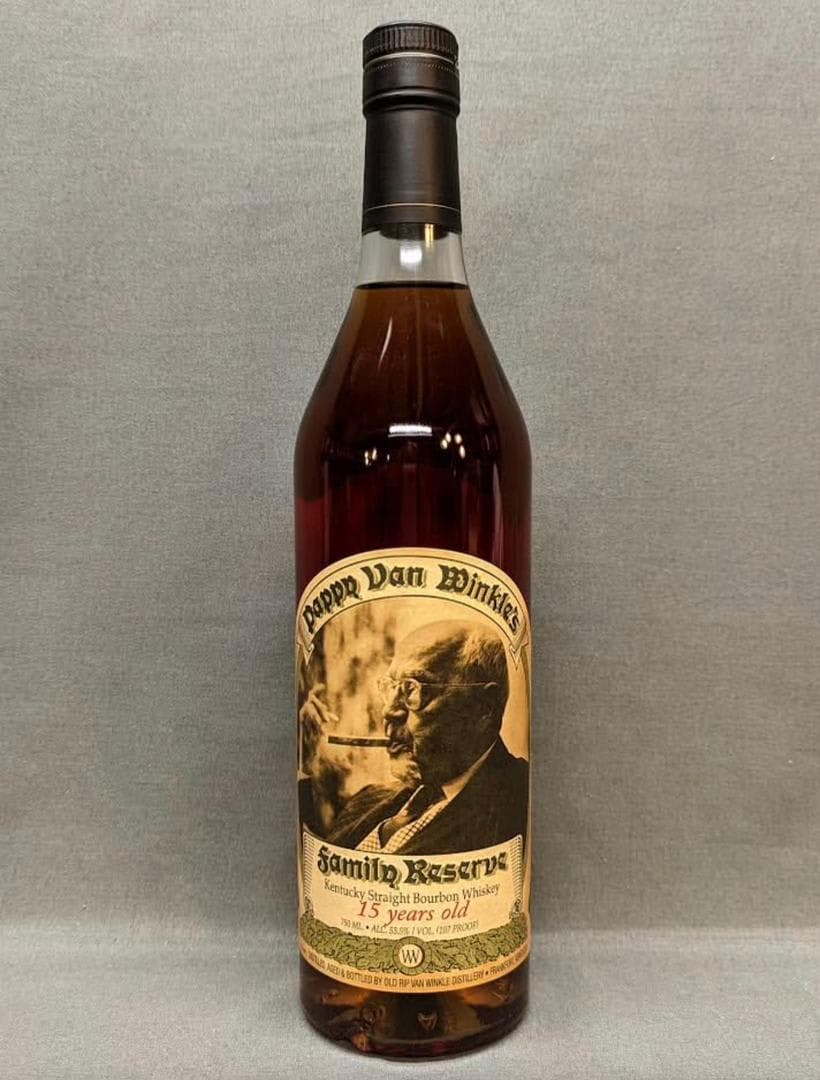
Walk into a good shop and ask for Pappy. You will be told, politely, that they do not have it, that they do not know when they will, and that the list closed months ago. This is not theatre. It is arithmetic, and once you see the arithmetic the whole frustrating business makes sense.
Allocation Is a Decision Made a Decade Ago
A bourbon released this year was distilled and barrelled years before. A 15-year release was filled when the person buying it may not have been drinking bourbon at all. Whoever decided how many barrels to fill that season was guessing at demand more than a decade out, in a market that has since grown beyond anyone's forecast.
There is no lever to pull now. You cannot age whiskey faster, and you cannot go back and fill more barrels in 2011. The supply of a 15-year whiskey in 2026 was fixed in 2011 and has only shrunk since, because the angels take their share every year — which we cover in why age costs what it does.
What Allocation Actually Looks Like
The distillery decides how many cases each distributor gets. The distributor decides how many bottles each retailer gets. The retailer decides who gets the two or three they were given. By the time it reaches a shelf, a national release has been divided several times, and the last division is a shop owner with six bottles and two hundred regulars.
- Allocation is per state, not national — the same release lands in wildly different quantities depending on where you live.
- Most allocated bottles never reach a shelf at all. They go to a list, a raffle, or a long-standing customer.
- A shop's allocation is usually tied to how much of everything else it buys, which is why the big-volume stores get the famous bottles.
- The distillery has no say in what a retailer charges, and no way to stop a bottle being resold.
The Tiers, Roughly
Not everything scarce is scarce to the same degree, and knowing where a bottle sits saves a lot of wasted hunting.
- Unicorn — Pappy Van Winkle 23 Year and Double Eagle Very Rare. A few thousand bottles for a continent. Lists and lotteries only.
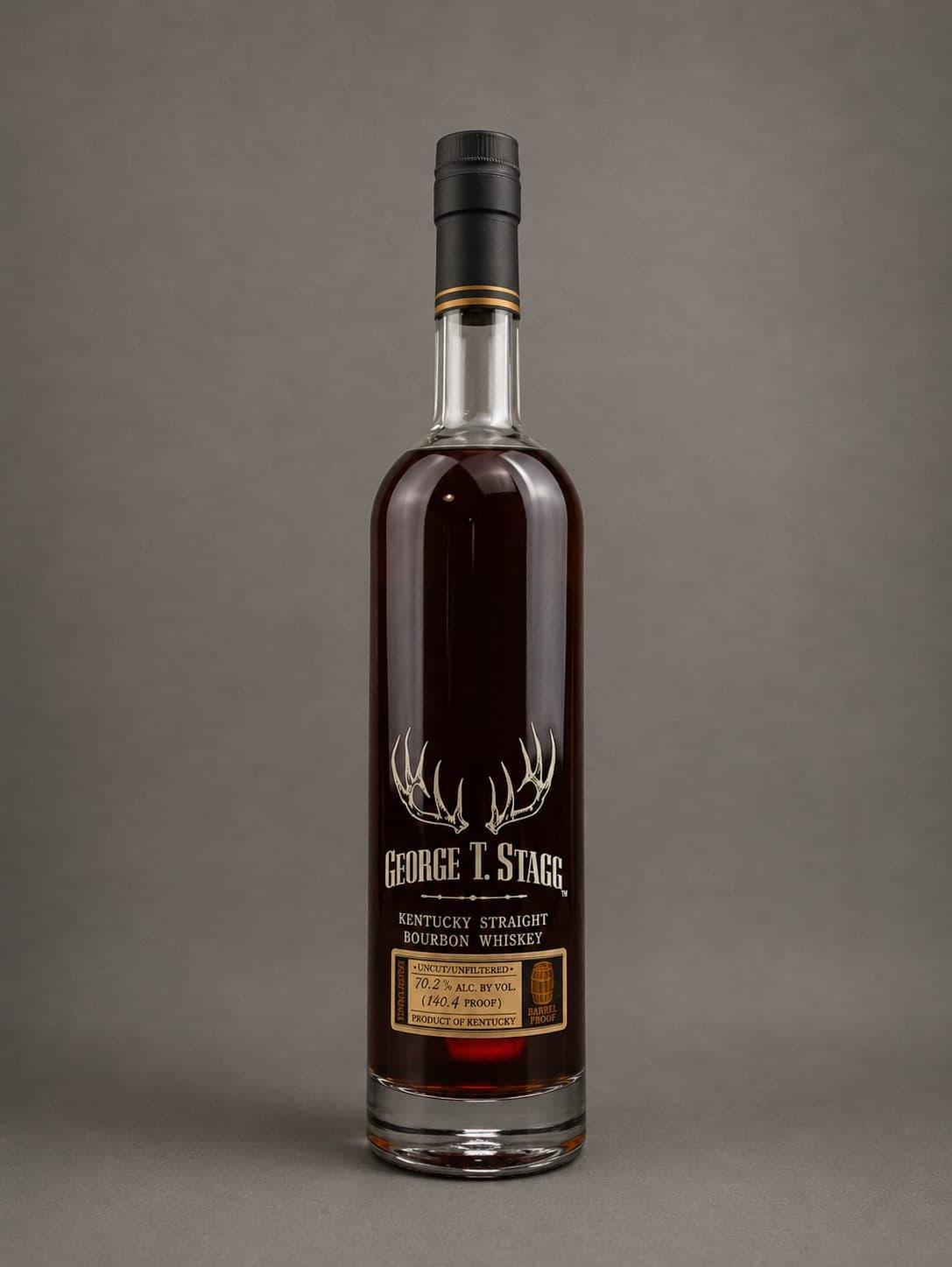
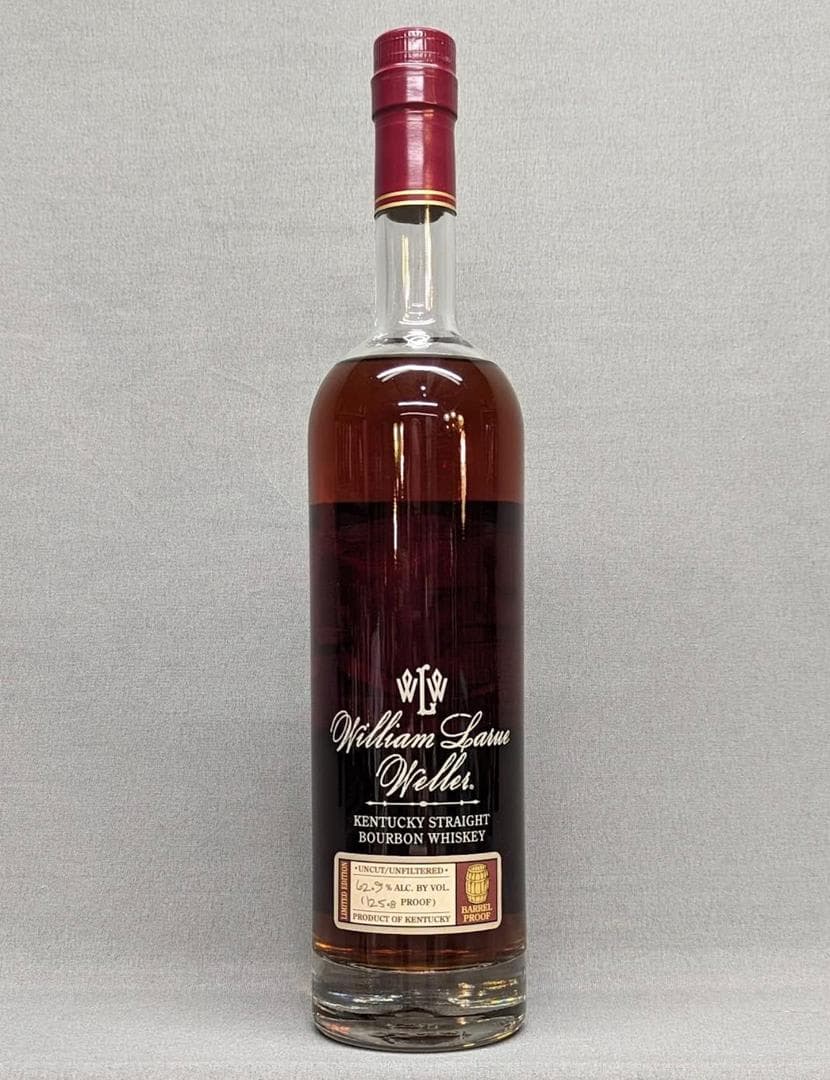
- Heavily allocated — Pappy 15, George T. Stagg, William Larue Weller. Annual releases, gone the day they land.
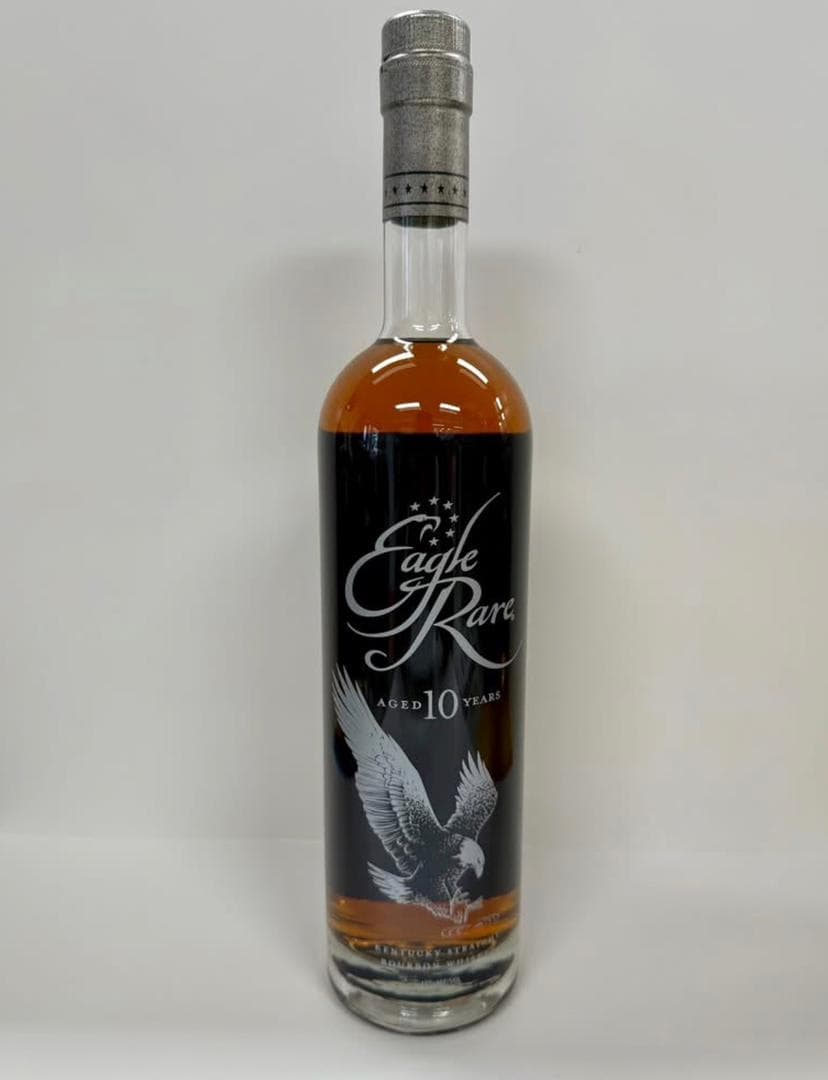
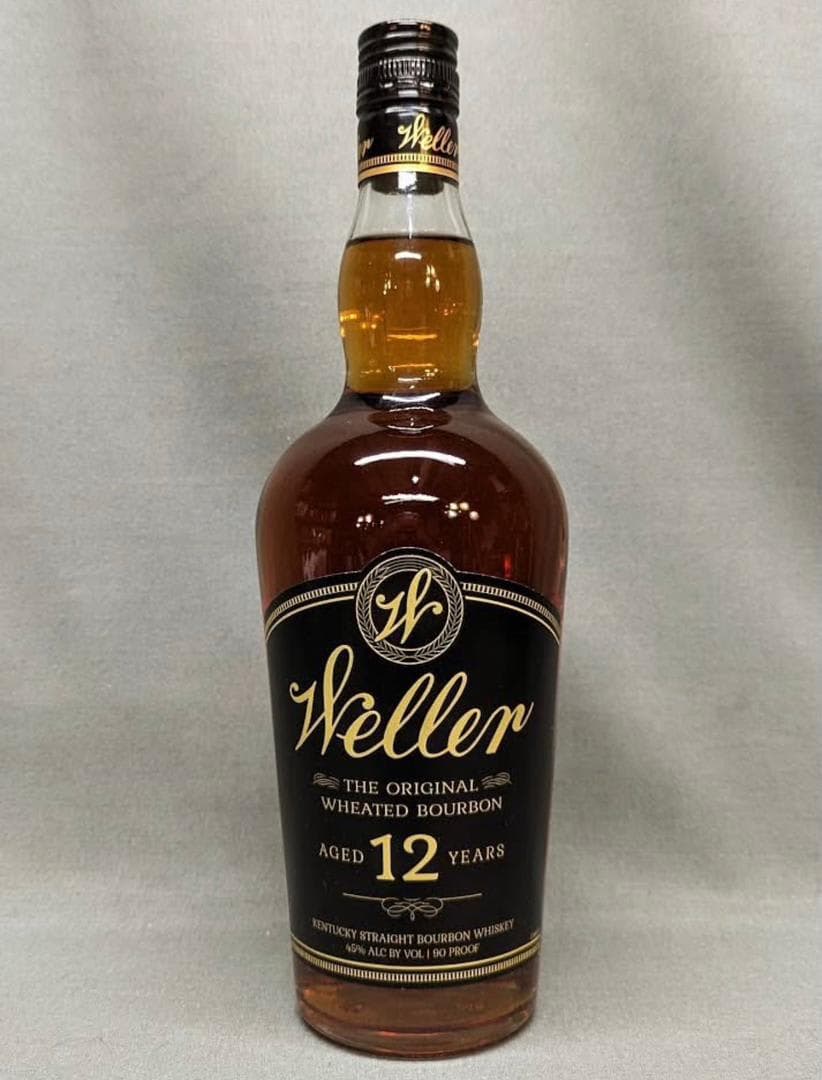
- Allocated but findable — Blanton's Original, Eagle Rare 10, Weller 12. Genuinely on shelves if you are patient and not fussy about the day.
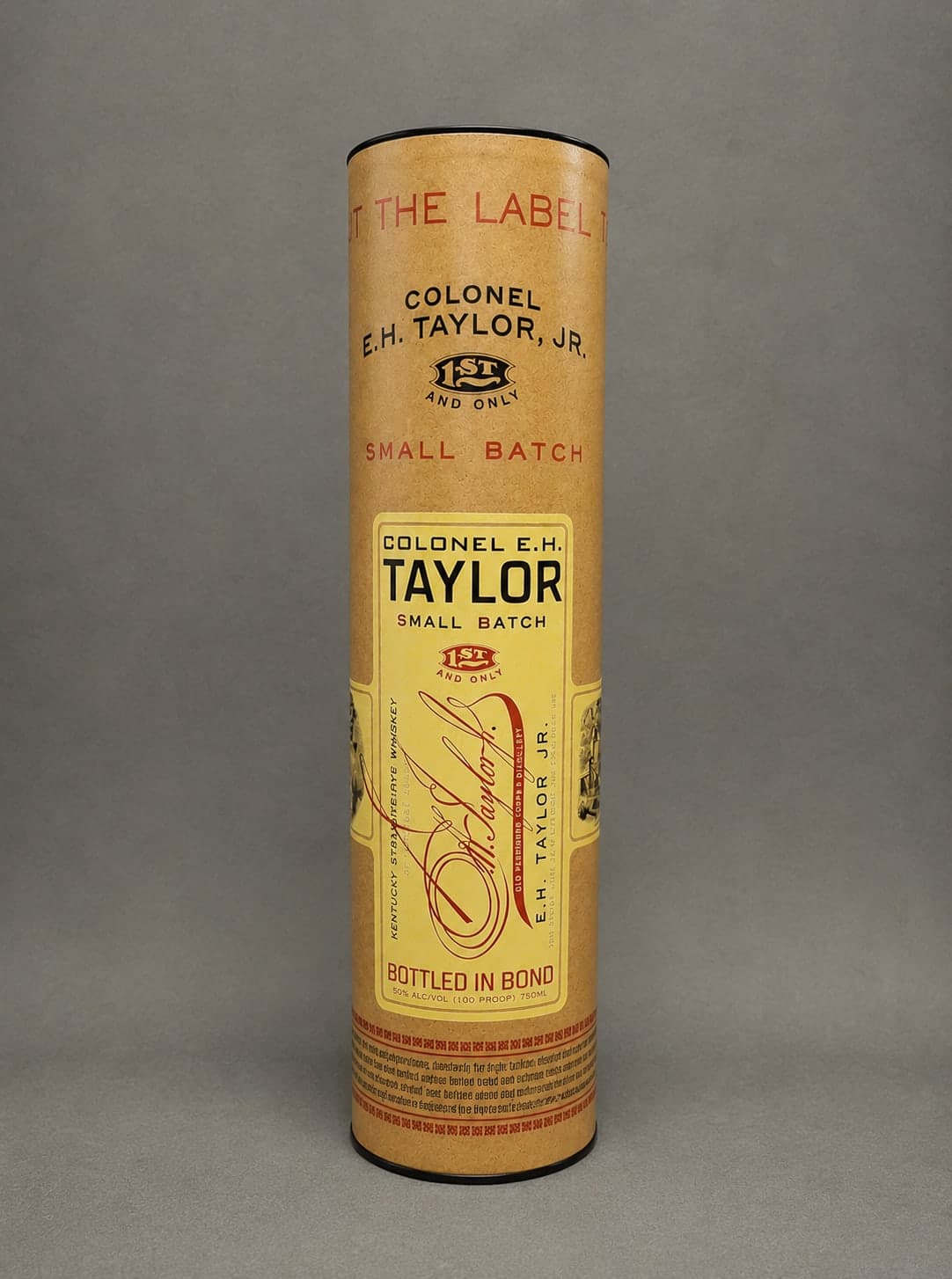
- Not allocated at all, and excellent — E.H. Taylor Small Batch, Russell's Reserve 13. Better in the glass than plenty of bottles three tiers above them.
How to Actually Get Some
- Pick one good shop and become a regular. Allocation runs on relationships, and a shop with six bottles gives them to the six people it knows.
- Buy the everyday things there too. Retailers earn their allocation on total volume, and so, in practice, do you.
- Join the lists. Most states run legal lotteries for the big releases. They are free, the odds are poor, and the odds of not entering are zero.
- Ask what came in this week rather than asking for one famous name. The answer is often something excellent you had not thought of.
- Buy the tier below. The gap between an allocated bottle and its unallocated sibling is usually far smaller than the gap in price.
On the Secondary Market
Reselling spirits without a licence is illegal in most of the United States, whatever a social media group implies. Beyond the legality, you are buying an unsealed-looking bottle from a stranger with no recourse, in a category where counterfeiting is a real and growing problem — refilled bottles with genuine labels are the usual method.
If a price seems impossible, it is. Buy from people who are licensed to sell you whiskey, and treat a bargain on a unicorn as the warning it almost always is. Our own stock, allocated and otherwise, is in the shop, and the ranked guide is honest about which famous bottles are worth the chase.
Tagged
Common Questions
Frequently Asked
- What does allocated bourbon mean?
- That supply is fixed and divided in advance — the distillery allots so many cases per distributor, who allots so many per retailer. It reflects a decision about how many barrels to fill years ago, not artificial scarcity created today.
- Why is Pappy Van Winkle so hard to find?
- A 15-year bourbon released now was barrelled 15 years ago, when demand was a fraction of today's. That supply cannot be increased retroactively, and evaporation shrinks it every year it sits.
- How do I get on an allocation list?
- Ask your local shop — most keep one, and most fill it by how well they know you rather than who asked first. Buying your everyday bottles there is what earns a place on it.
- Is buying allocated bourbon on the secondary market legal?
- Reselling spirits without a licence is illegal in most US states. You are also buying from a stranger with no recourse in a category where refilled genuine bottles are a real counterfeiting method.
- Is allocated bourbon actually better?
- Sometimes. Scarcity and quality are different things, and the market prices scarcity. Several unallocated bottles drink better than allocated ones costing several times as much.