Behind the Scenes
The Angel's Share: Why Age Costs What It Does
Every year a barrel loses whiskey to the air, and it never comes back. That evaporation is the single biggest reason old bourbon is expensive.
Eleanor Hayes
Master Distiller, Bourbon & Oak

Open the door of a full rickhouse in July and the smell hits you before your eyes adjust. That smell is whiskey leaving. Oak is porous, the barrel breathes with the weather, and every year some of what went in comes back out into the air. Distillers have called it the angel's share for centuries, which is a generous name for a loss nobody can prevent.
The Arithmetic
The loss is not trivial and it compounds. A Kentucky barrel typically gives up a few percent of its volume every year — more in the first year, more on a hot upper floor, less in a cool corner. Run that forward and the numbers get uncomfortable.
- A barrel goes in holding roughly 53 gallons.
- After four years, a bonded minimum, a meaningful fraction is already gone.
- By ten to twelve years, many barrels have lost around a third.
- At fifteen to twenty years, losing half or more is ordinary rather than exceptional.
- Some barrels do not survive at all — they go too woody, or too low, and are dumped into something else or written off.
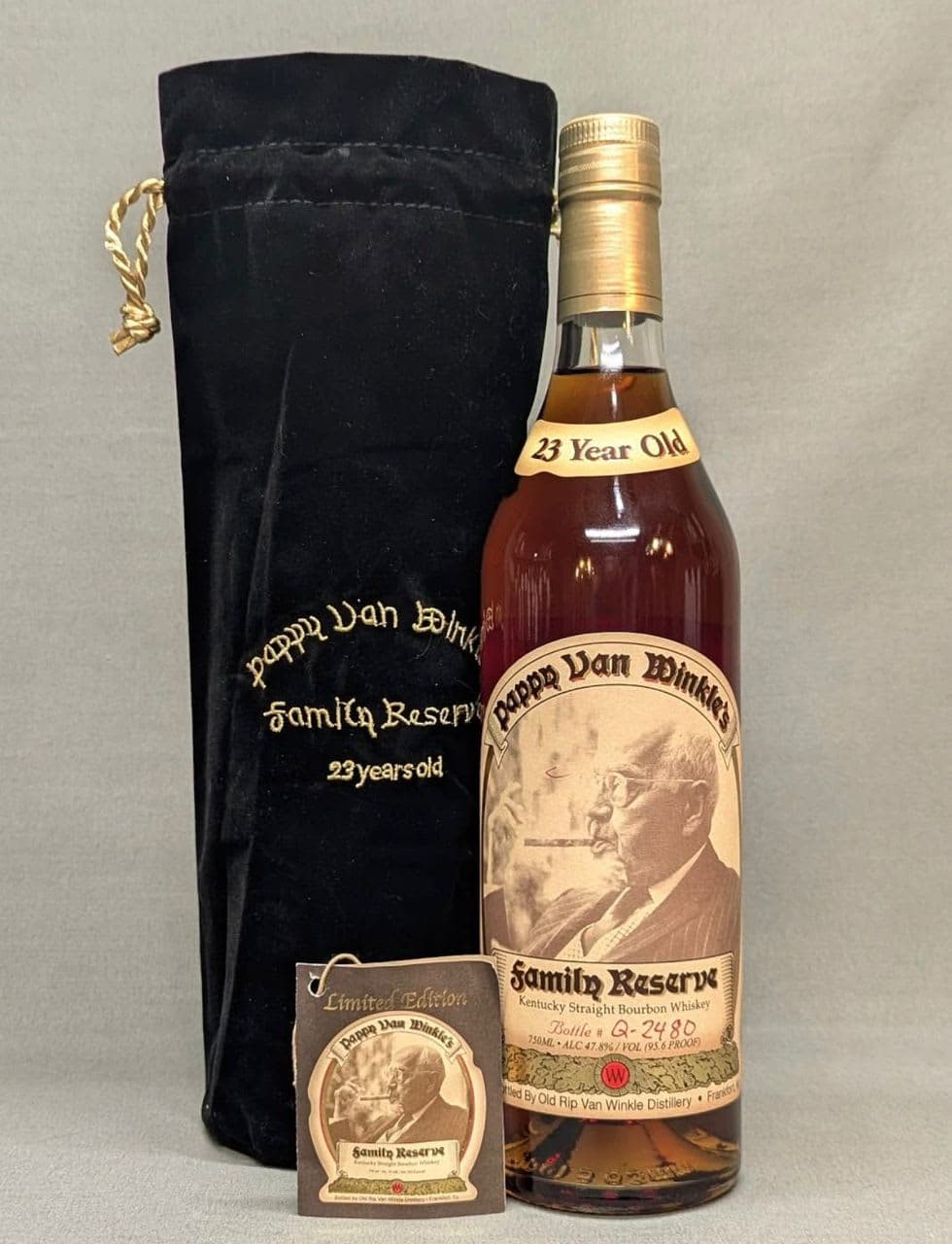
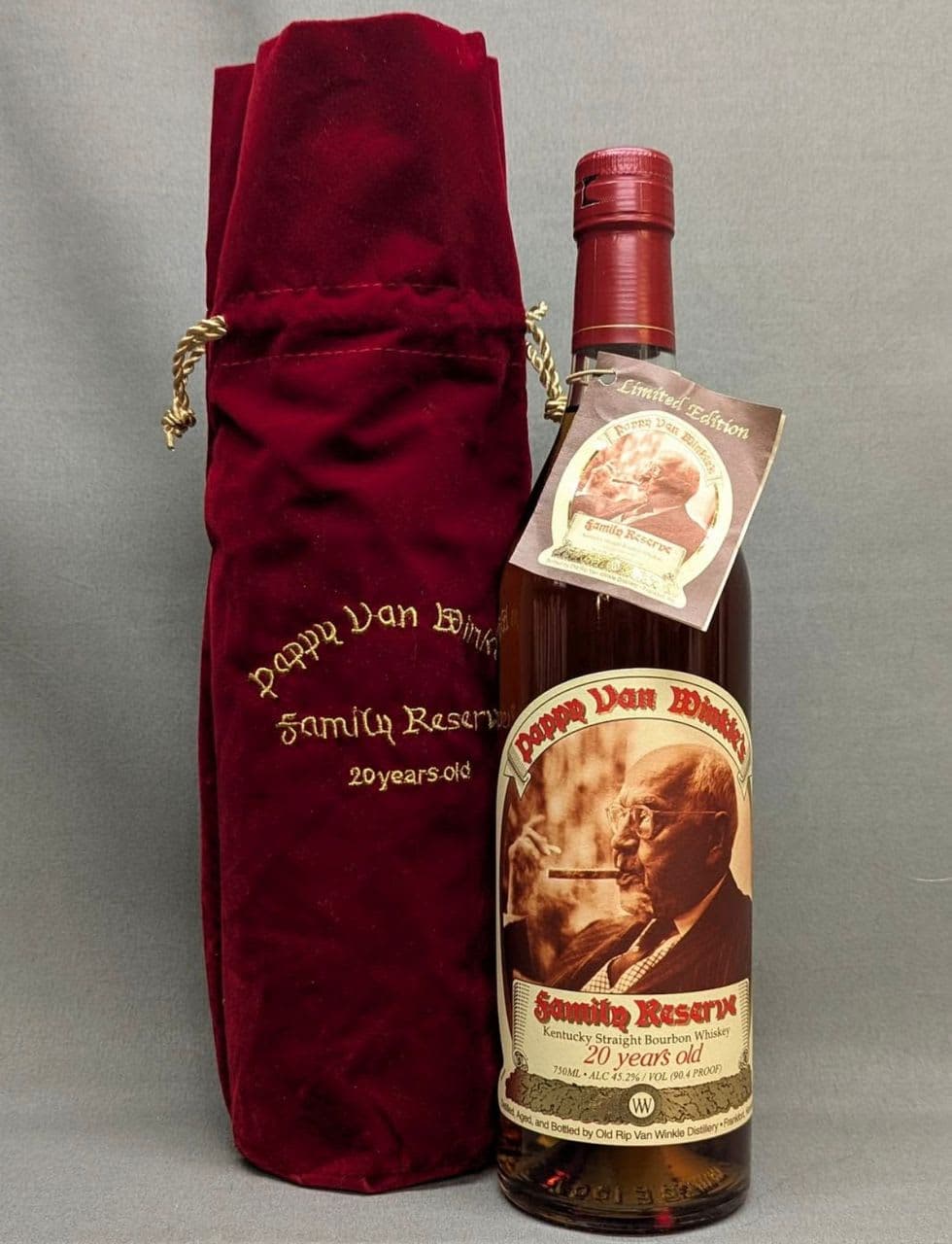
So a 20-year bourbon is not one barrel's worth of 20-year-old whiskey. It is what is left of a barrel after two decades of the air taking its cut, from a batch where some barrels did not make it. That is before anyone has paid for twenty years of warehouse space, insurance, and the tax on the angels' portion.
It Is Not Just Volume
Evaporation also changes what stays behind. Water and alcohol leave at different rates depending on humidity, so a barrel does not simply shrink — it drifts in strength. In a dry warehouse the whiskey climbs in proof; in a damp one it can fall. Two barrels filled the same day at the same strength can be several proof points apart a decade later purely because of where they sat.
That is the same mechanism that makes one barrel taste different from its neighbour, which is why single barrel releases vary so much and why warehouse position matters as much as recipe. We walk through how it shapes selection in the barrel selection guide.
Kentucky's Particular Problem
Scotland loses perhaps two percent a year in a cool, damp climate. Kentucky swings from freezing winters to punishing summers, and that swing is exactly what drives whiskey in and out of the wood — it is what makes bourbon mature faster than Scotch, and it is what makes it evaporate faster too.
The maturity is the reward and the evaporation is the bill. You cannot take one without the other, which is why a 12-year bourbon can taste as developed as a much older Scotch, and why very old bourbon is rarer than very old Scotch rather than merely more expensive. There is more on what age does and does not buy you in the age statement guide.
What This Means When You Buy
- An age statement is a cost floor, not a quality guarantee. It tells you what the distillery carried, not what is in the glass.
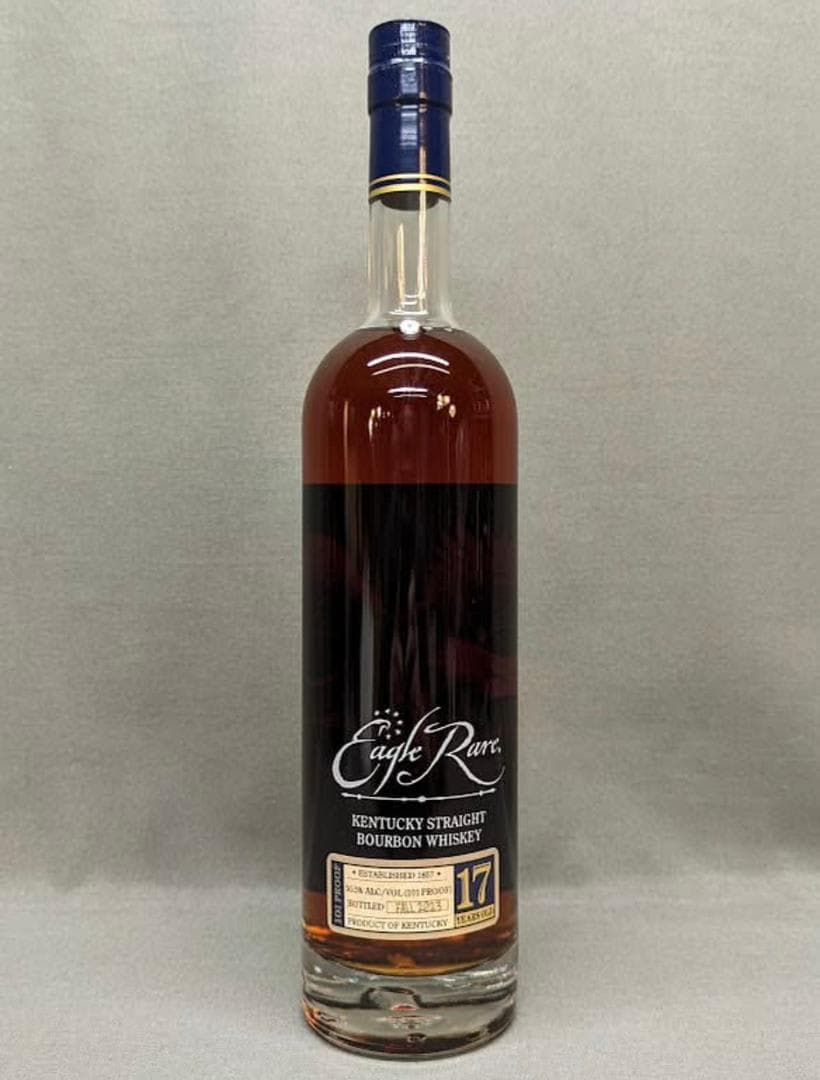
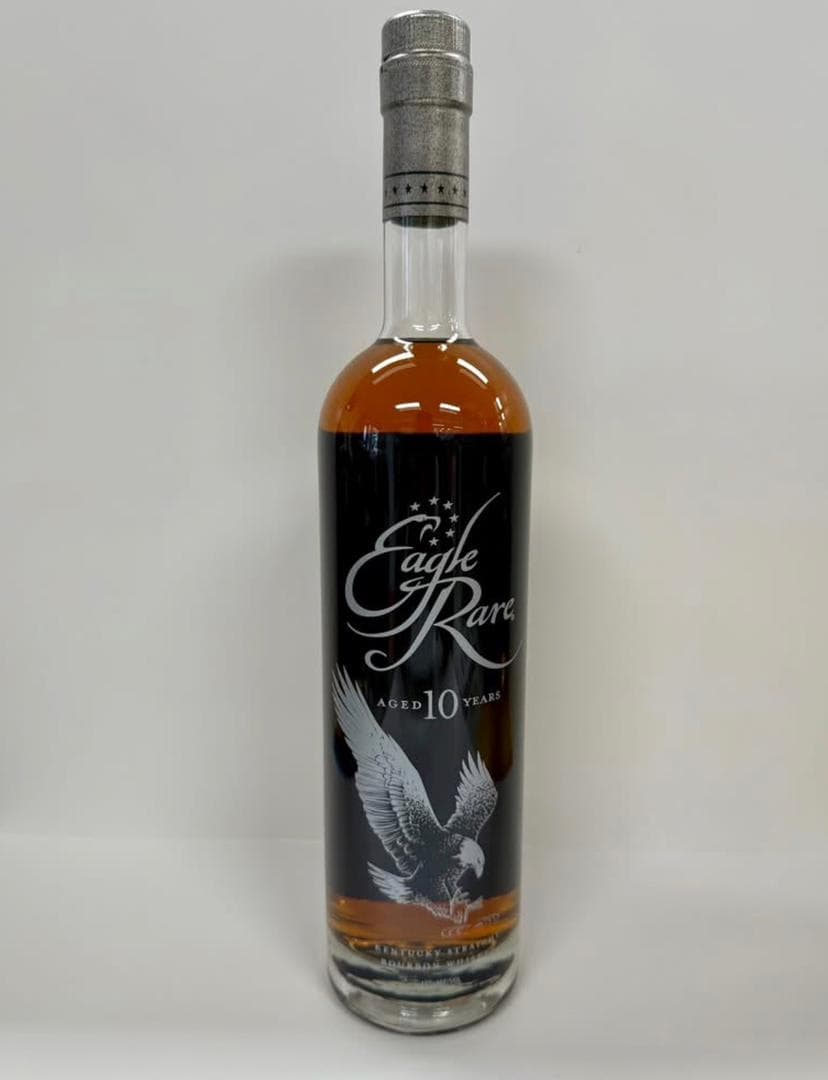
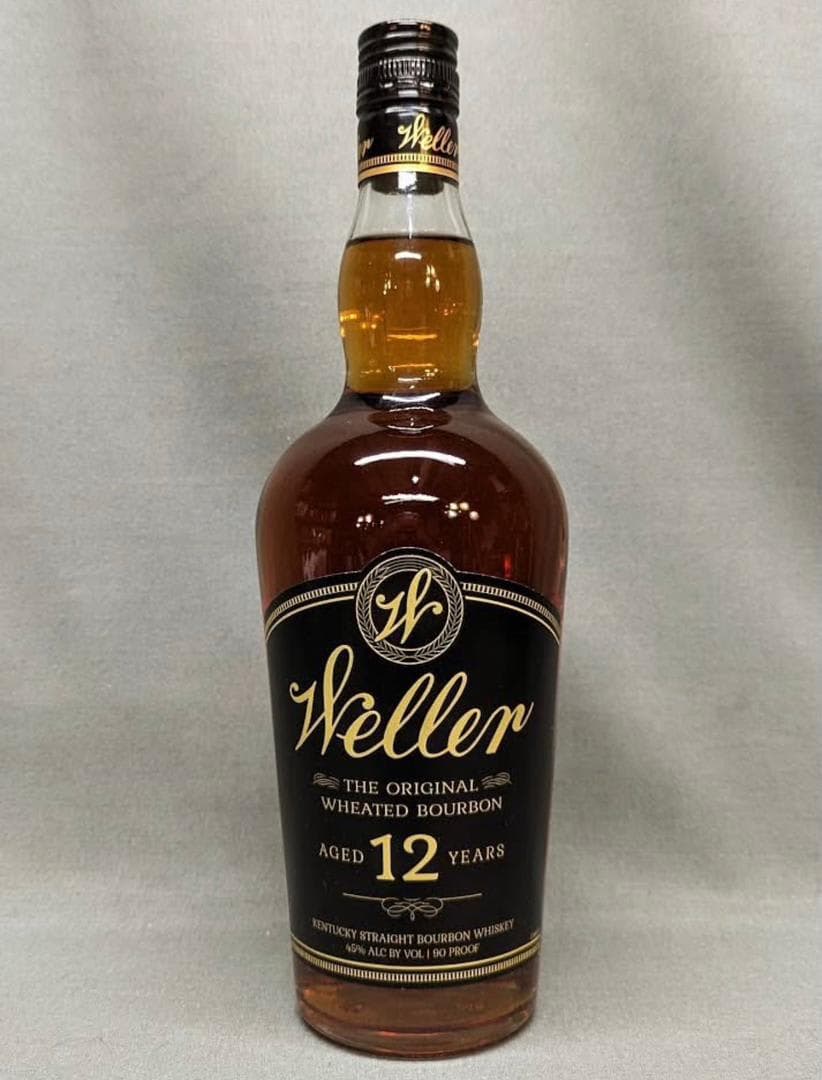
- The sweet spot for most palates sits well below the top of the range. Eagle Rare 10 and Weller 12 are where age and price still make sense together.
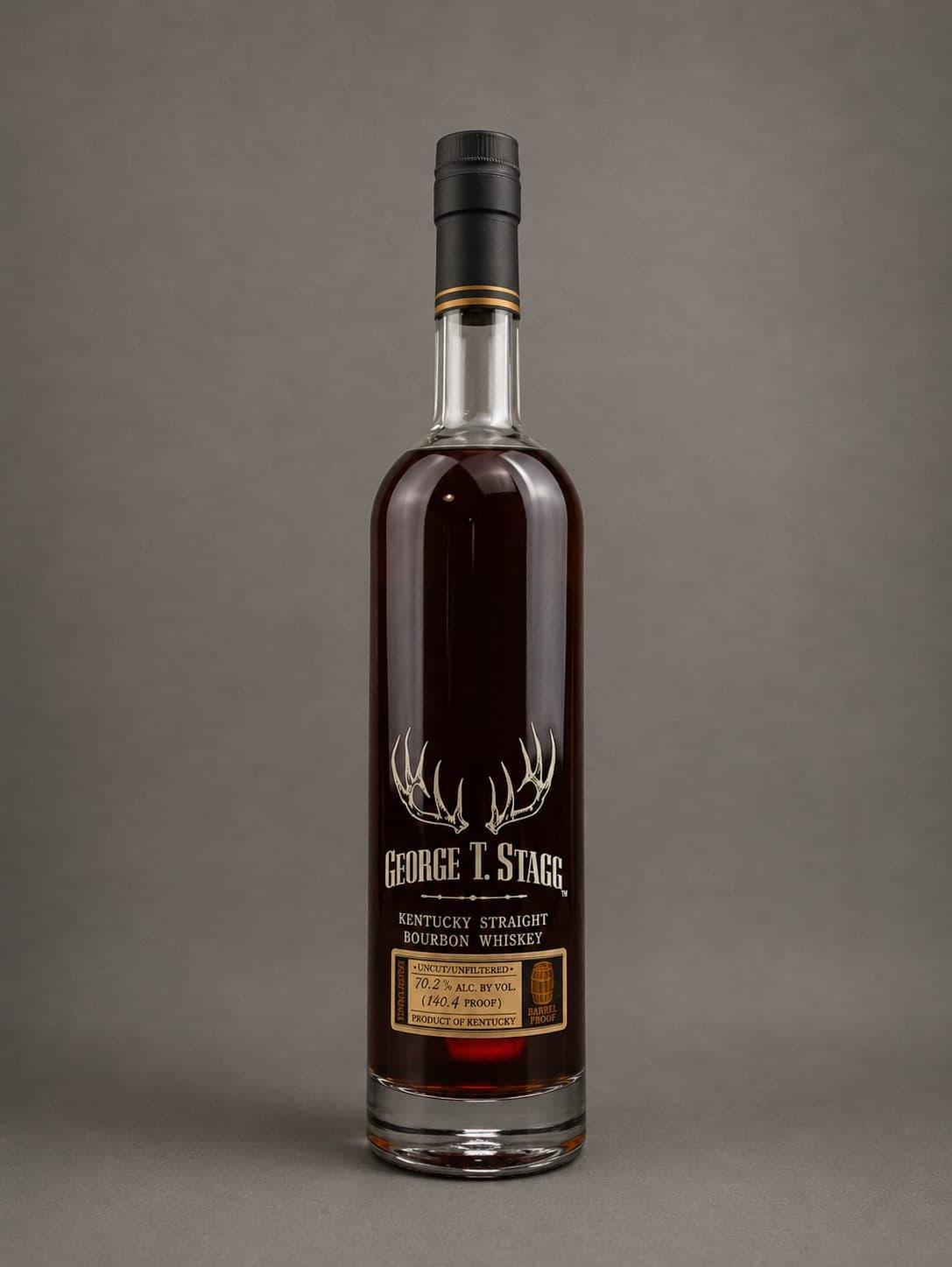
- Barrel proof bottles are partly a response to this: no water added back means no further dilution of something already scarce. George T. Stagg is the case in point.
- If a very old bourbon tastes of nothing but oak, that is not you missing something. Wood keeps taking after the whiskey has finished improving.
Rickhouse No. 7 holds 20,000 barrels, and every one of them is quietly getting smaller as you read this. You can walk through it on the distillery tour, and the bottles that made it out are in the shop.
Tagged
Common Questions
Frequently Asked
- What is the angel's share?
- The whiskey a barrel loses to evaporation while it ages. Oak is porous and breathes with the weather, so some of what went in escapes into the air every year and never comes back.
- How much bourbon evaporates each year?
- A few percent a year in Kentucky, more in the first year and more on a hot upper floor. It compounds: many barrels have lost around a third by twelve years, and half or more by twenty.
- Why is old bourbon so expensive?
- Doubling the age more than doubles the cost. You lose more liquid, lose whole barrels that go too woody or too low, and carry the inventory twice as long on a bet placed two decades earlier.
- Does bourbon get stronger or weaker as it ages?
- Either, depending on humidity. Water and alcohol leave at different rates, so a dry warehouse pushes the proof up and a damp one pulls it down. Two barrels filled the same day can differ by several proof points a decade later.
- Why does bourbon age faster than Scotch?
- Kentucky's swing between freezing winters and hot summers drives whiskey in and out of the wood far harder than Scotland's cool, damp climate. That is why bourbon matures quicker — and why it evaporates quicker too.