Recipes
The Best Bourbon for an Old Fashioned, Tested Behind the Bar
Dilution decides this drink, not tasting notes. Here is the proof window that survives ice and sugar, and the bottles that are wasted in it.
Wyatt Brennan
Head Bartender, The Cellar at Bourbon & Oak

An Old Fashioned is sugar, bitters, water and bourbon, and three of those four are almost impossible to get wrong. The bourbon is the drink. That is why the question of which bottle to use gets asked constantly, and why most answers are useless: they hand you ten bottles with tasting notes lifted off the back label and never mention the one variable that actually decides the outcome, which is what happens to proof once ice and sugar arrive.
Start With the Dilution Arithmetic
Stir a drink correctly and you are adding water on purpose. Thirty to forty seconds over cubed ice, until the mixing glass is genuinely uncomfortable to hold, adds somewhere between 20 and 25 percent dilution by volume. Then the finished drink goes over a large rock that keeps working while it sits in front of somebody.
Run the numbers on a 90 proof bourbon. Two ounces at 90 proof, stirred to 22 percent dilution, arrives in the glass at roughly 70 proof before the ice in the serving glass has melted at all. Ten minutes later it is closer to 60. Now add a barspoon of sugar and two dashes of bitters. A whiskey that tasted lively and structured neat is suddenly a soft, sweet, vaguely woody drink with no spine down the middle of it.
This is the entire reason so many expensive bourbons make disappointing Old Fashioneds. They are not bad whiskeys. They were assembled to be drunk at bottling strength and they have nothing held in reserve for the water you are about to add.
The Proof Window That Works: 100 to 115
Between 100 and 115 proof. That is the band, and it is not a matter of taste. Below 100 the drink flattens for the reason described above. Above roughly 120, ethanol stops carrying the aromatics and starts covering them, the sugar has to fight instead of balance, and you end up rebuilding the whole spec to compensate. Inside the window, the bourbon still tastes like itself when it reaches the drinker.
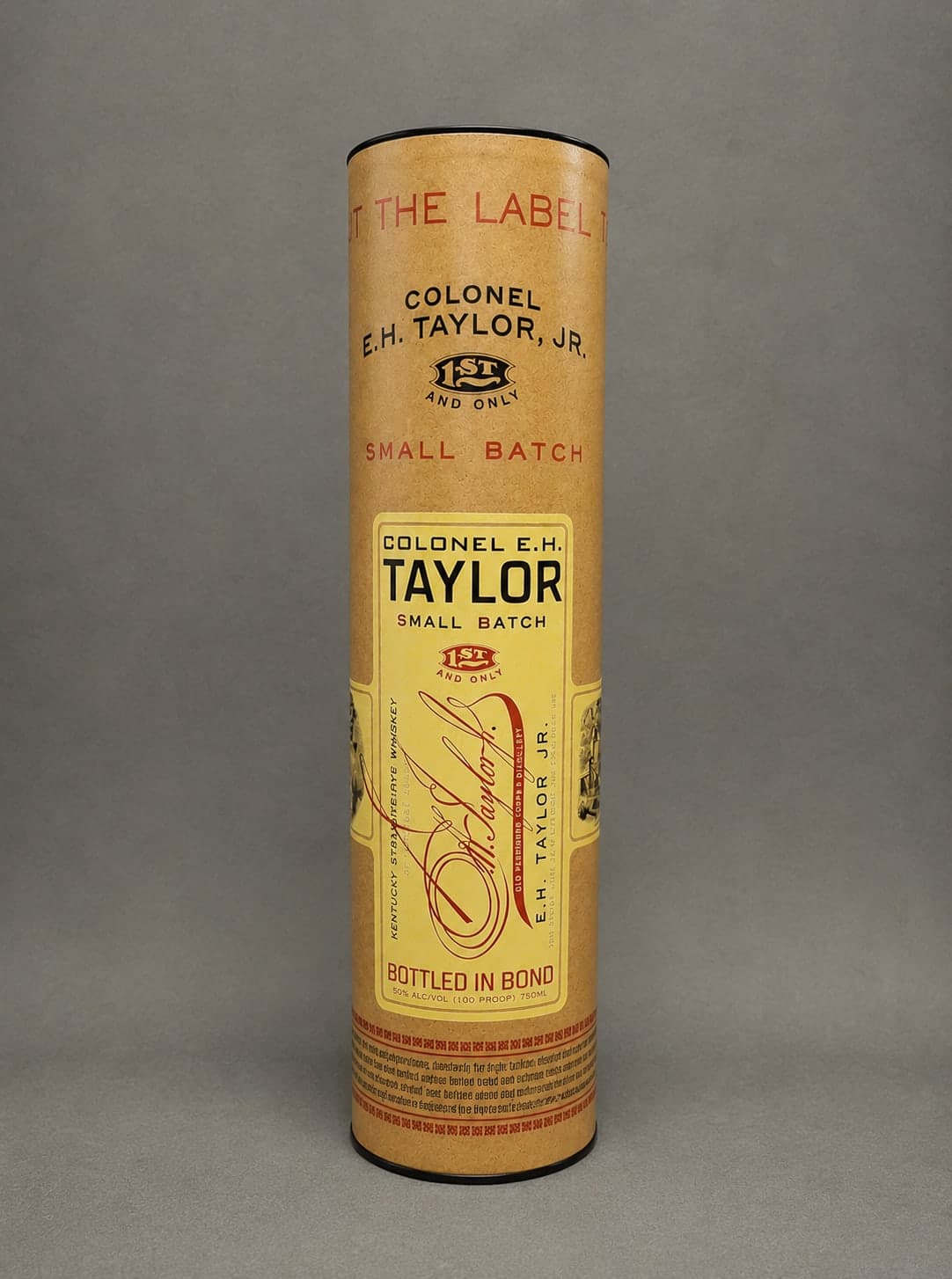
- E.H. Taylor Small Batch at $80, 100 proof. Bottled in bond, which by law means exactly 100 proof, at least four years old, one distillery, one distilling season. The bond rules were written for a market full of adulterated whiskey, but they accidentally produced the best cocktail category in American spirits.
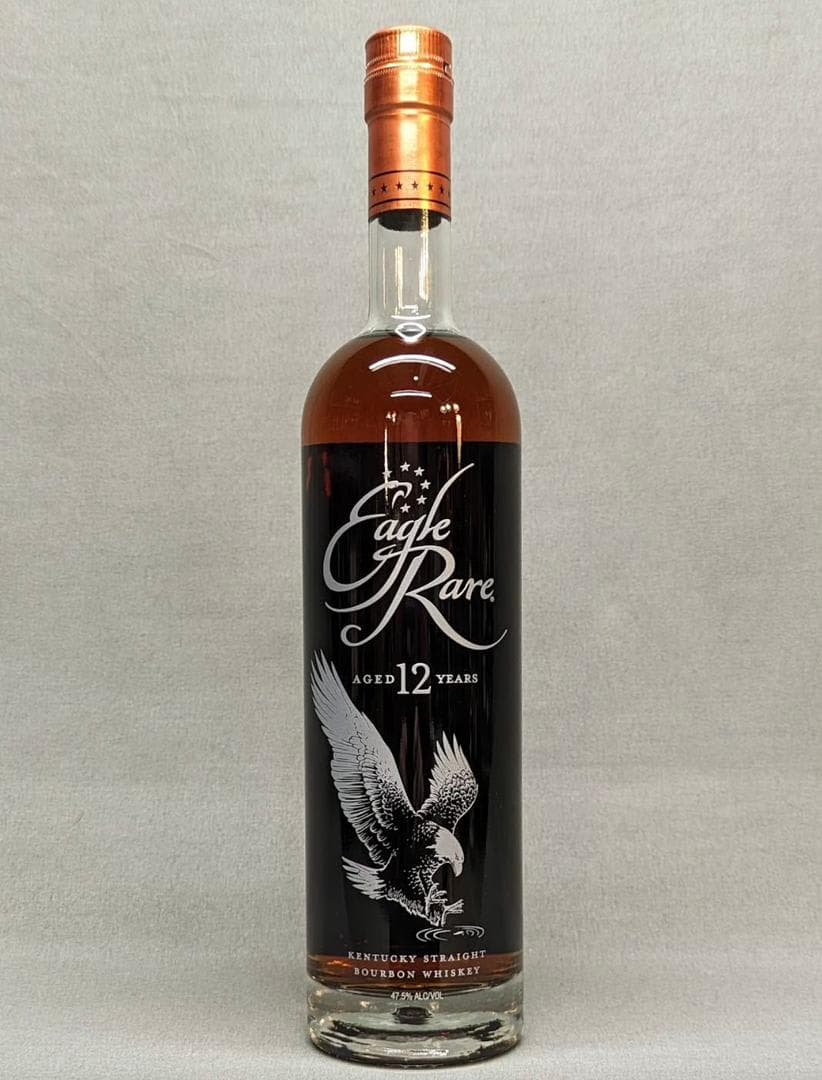
- Eagle Rare 12 Year at $70, 101 proof. The best pure value in the window. Twelve years of oak give it a caramel backbone that reads clearly through two dashes of Angostura.
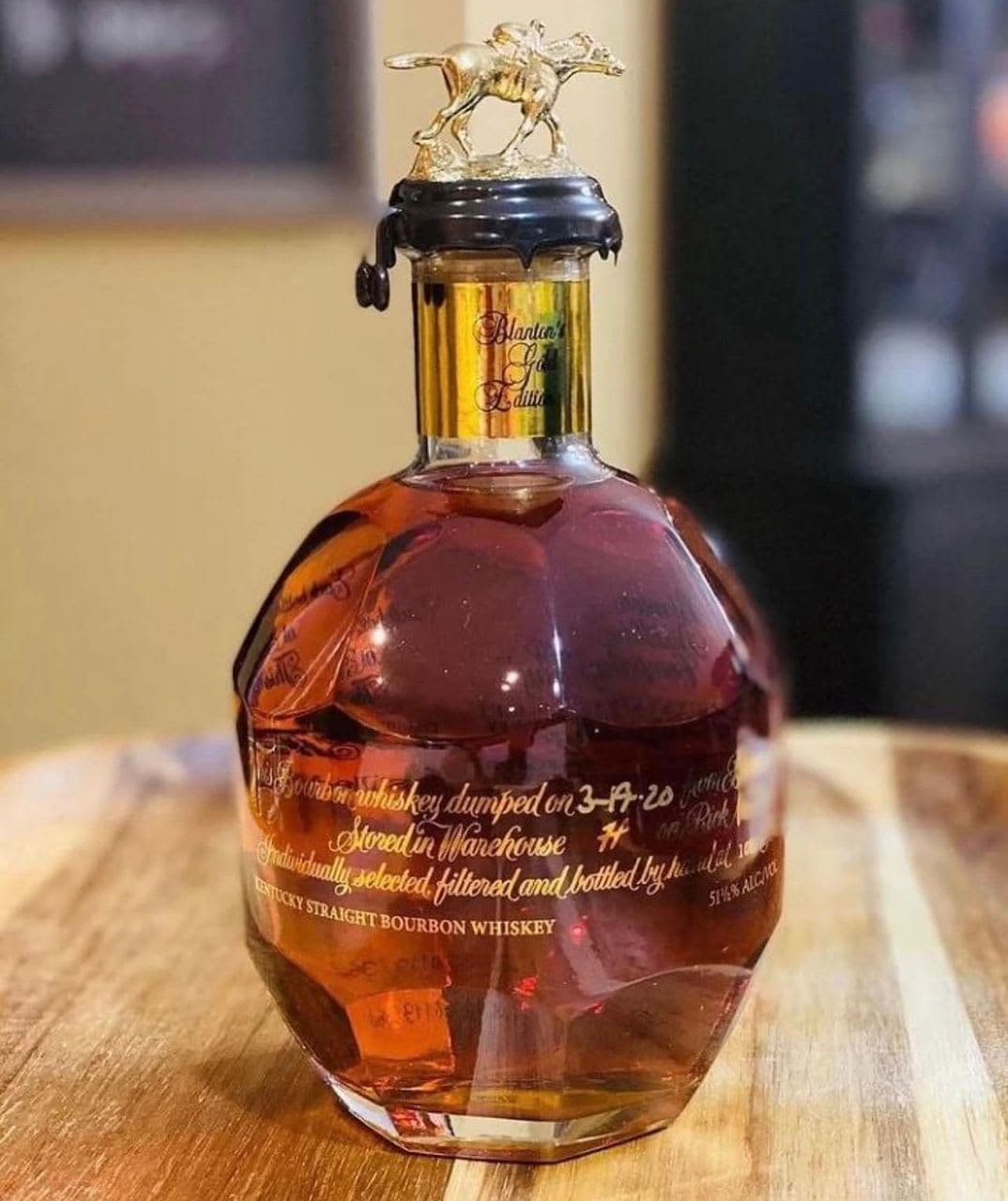
- Blanton's Gold Edition at $100, 103 proof. Makes a superb drink. It is also a single barrel, and we would rather you drank it neat.
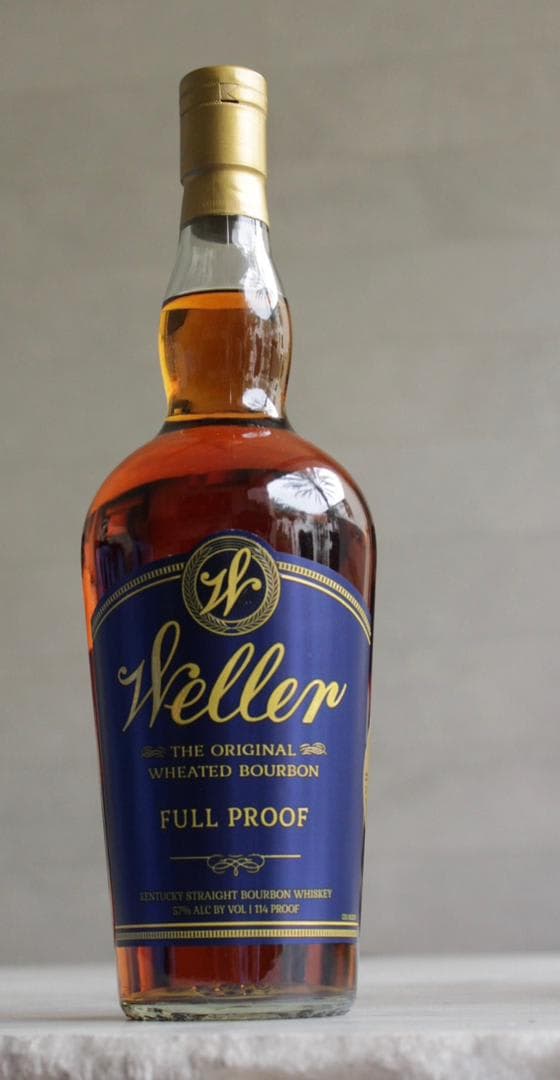
- Weller Full Proof at $150, 114 proof. Wheated, non-chill filtered, and the softest high-proof option here.
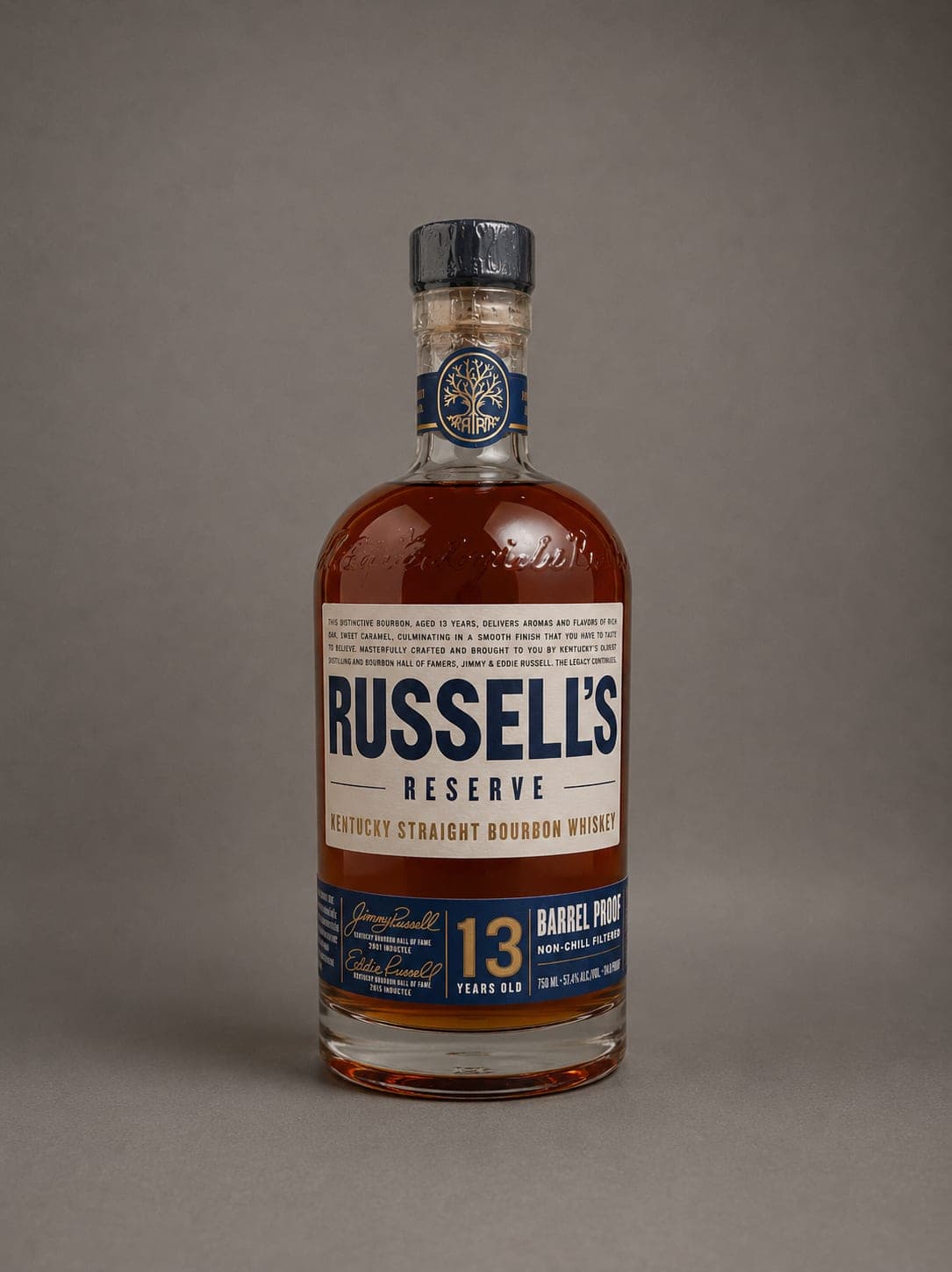
- Russell's Reserve 13 Year at $200, 114.8 proof. Thirteen years and 13 percent rye. The top of the window and the most structured Old Fashioned on this list.
Note what is not on that list: nothing at 90 proof, and nothing above 115. The bottled in bond designation is doing a lot of quiet work here. Any bottle carrying it is guaranteed to sit at the bottom edge of the window, which is why bartenders reach for bond labels without thinking about it.
High Rye or Wheated: Pick a Direction
Sugar occupies the mid-palate. Rye also occupies the mid-palate. That collision is the whole argument for a high-rye bourbon in this drink: the pepper and baking spice push back against the syrup instead of dissolving into it. Russell's Reserve 13 at 13 percent rye is the clearest demonstration on our shelf, and it is why the classic Angostura build tastes complete with it and slightly hollow without.
Wheated bourbon does the opposite. Weller Full Proof carries 16 percent wheat and no rye at all, so there is nothing spicy for the sugar to argue with. The result is rounder, sweeter and much easier to over-sweeten. Cut the syrup by a third and switch to orange bitters and it becomes a genuinely different, very good drink. We keep both builds on the menu. The full case for each grain is in the wheated versus high-rye comparison.
What We Actually Pour at The Cellar
The house Old Fashioned is built on E.H. Taylor Small Batch. It costs $80, it is 100 proof, it is consistent from bottle to bottle in a way single barrels are not, and it has enough oak to survive the stir. If somebody orders an Old Fashioned without specifying, that is what they get.
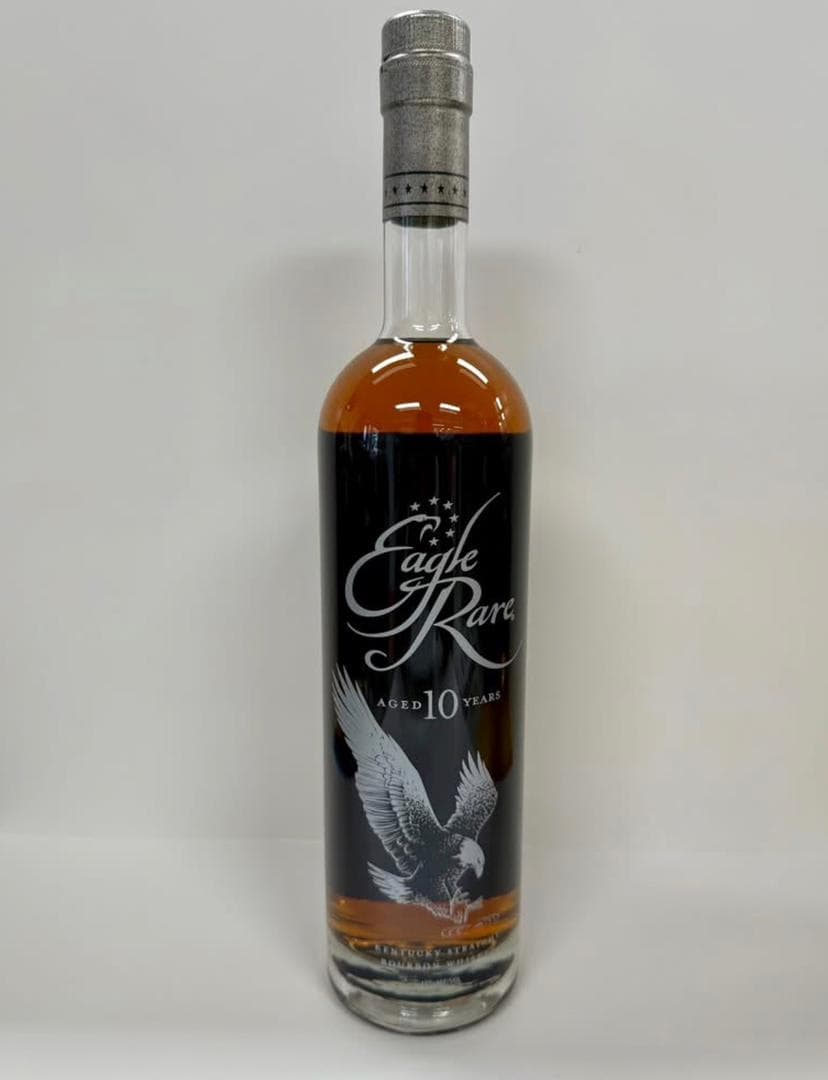
The value answer is Eagle Rare 10 Year at $40. It is 90 proof, so it sits below the window, but ten years of age gives it more to lose than most bottles at that strength. Build it short: stir 20 seconds instead of 35, use one large rock rather than several small ones, and pull the syrup back to a scant barspoon. That is the cheapest good Old Fashioned we know how to make.
If you want the version we serve on the tour terrace, it is Russell's Reserve 13 with demerara and a heavy orange twist. It is a $200 bottle and it makes about seventeen drinks, so the pour cost is less alarming than the shelf price suggests.
Bottles That Are Wasted in This Drink
This part matters more than the recommendations, because the mistakes are expensive. Every bottle below is excellent. None of them belongs in an Old Fashioned.
- Double Eagle Very Rare at $700 and 90 proof. Twenty years of age in a crystal decanter, and at 90 proof it vanishes completely under two dashes of Angostura. You would be paying roughly $47 an ounce to taste bitters.
- Pappy Van Winkle 15 Year at $500. The proof is right at 107. Nothing else about this is right. The wheat and the fifteen years produce a layered neat pour, and sugar erases the layers.
- Van Winkle Lot B 12 Year at $300 and 90.4 proof. Soft, elegant, and below the window. It is the single most reliable way to spend $300 on a drink nobody can tell from a $40 one.
- Eagle Rare 17 Year at $250 and 101 proof. Technically in the window, and a genuine waste. Seventeen years of oak integration is exactly the sort of detail that dilution flattens first.
- George T. Stagg at 136.1 proof. Not a mistake so much as a different project. It will make a drink, but you will need to rebuild the spec around it, and the results are inconsistent between annual releases.
The one barrel proof exception we make is Stagg at $150 and 130 proof. Cut the bourbon to an ounce and a half, stir it longer, and it produces something closer to a bourbon Sazerac than an Old Fashioned. Worth doing once. Not worth doing weekly.
Recipe
The Cellar Old Fashioned
Serve in: Double old-fashioned, chilled, with one 2 inch clear cube
Ingredients
- 2 oz bourbon at 100 to 115 proof
- 1 barspoon (about 7.5 ml) rich demerara syrup, 2 parts sugar to 1 part water
- 2 dashes Angostura bitters
- 1 dash orange bitters
- Wide orange peel
Method
- Combine bourbon, syrup and both bitters in a mixing glass with cubed ice filled to the top.
- Stir 30 to 35 seconds. The outside of the glass should frost and be unpleasant to hold.
- Strain over one large clear cube in a chilled double old-fashioned glass.
- Express the orange peel skin-side down over the surface so the oils land on the drink, wipe the rim, and drop it in.
GarnishExpressed orange peel. No cherry, no muddled fruit.
Reduce the syrup to a scant barspoon with wheated bourbon, and swap the Angostura for two dashes of orange bitters. With a 90 proof bottle, cut the stir to 20 seconds.
Sugar, Bitters and Ice
Use syrup, not a cube. A sugar cube muddled in bitters never fully dissolves, which means the first sip is thin and the last one is candy. Rich demerara syrup at two parts sugar to one part water is consistent, dissolves instantly and adds a faint molasses note that flatters oak. It keeps three weeks in the fridge.
Match bitters to grain. Angostura is a rye bourbon's partner: the clove and cinnamon in it run parallel to the spice already in the whiskey. With a wheated bourbon, Angostura tends to sit on top rather than blend, and orange bitters do a better job of lifting the honeyed character underneath.
Ice is not a garnish. A single 2 inch cube has roughly a quarter of the surface area of the equivalent volume in small cubes, so it dilutes at about a quarter of the rate. That is the difference between a drink that holds for twenty minutes and one that is water by the bottom third. Freeze it slowly in an insulated mould if you want it clear, though cloudy ice tastes identical.
Buying for the Drink
If you keep one bottle for Old Fashioneds, make it bottled in bond at 100 proof and spend between $40 and $80. If you keep two, add a high-rye bourbon in the low 110s for the nights you want structure. Everything above that is a neat pour that you happen to own, not a cocktail ingredient.
The rest of the summer menu, including the julep and smash specs we run alongside this one, is in the summer bourbon cocktails collection. Everything named above that is not on allocation is in the shop, the harder-to-find releases sit in the allocated collection, and if you want to taste the house build before you buy the bottle, it is poured on every distillery tour.
Tagged
Common Questions
Frequently Asked
- What proof bourbon is best for an Old Fashioned?
- Between 100 and 115 proof. A correct 30 second stir adds 20 to 25 percent dilution, so a 90 proof bourbon reaches the drinker at around 70 proof and keeps falling. Bottled in bond bourbons are exactly 100 proof by law, which is why bartenders reach for them.
- Should you use expensive bourbon in an Old Fashioned?
- No. Sugar, bitters and water flatten precisely the detail you pay for in an aged bottle. Eagle Rare 17 Year at $250 and Van Winkle Lot B at $300 both make drinks indistinguishable from ones built on an $80 bottled in bond bourbon.
- Is a high rye or wheated bourbon better in an Old Fashioned?
- High rye for the classic build. Rye spice occupies the same mid-palate space as the sugar and pushes back against it. Wheated bourbon makes a rounder, sweeter drink that needs about a third less syrup and orange bitters rather than Angostura.
- Sugar cube or simple syrup in an Old Fashioned?
- Rich demerara syrup, two parts sugar to one part water. A muddled cube never fully dissolves, so the first sip is thin and the last is candied. Syrup is consistent and adds a molasses note that suits oak.
- Does ice size actually matter?
- Yes. A single 2 inch cube has roughly a quarter of the surface area of the same volume in small cubes and melts at about a quarter of the rate. That is the difference between a drink that holds twenty minutes and one that is water by the last third.