Recipes
Bourbon and Food: What Actually Works
Match the weight, mind the proof, and stop pairing everything with chocolate. A practical guide to putting bourbon on the table.
Wyatt Brennan
Head Bartender, The Cellar at Bourbon & Oak
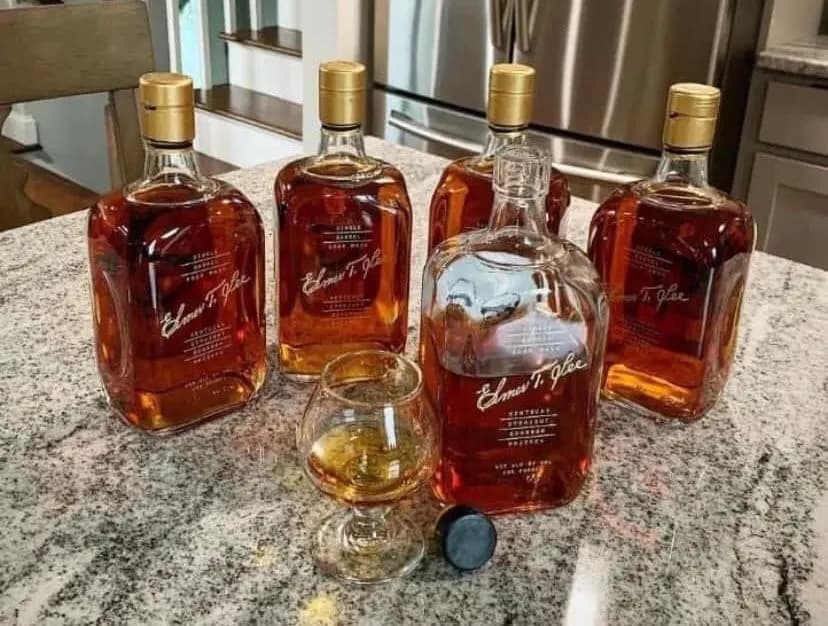
Wine pairing has two centuries of convention behind it. Bourbon pairing has about twenty years, and most of what gets written is a list of things somebody happened to enjoy once. There is a mechanism underneath it though, and once you know it you can pair anything without a chart.
Proof Comes Before Flavour
The first thing bourbon does at a table is not taste of caramel. It is alcohol, and alcohol is an anaesthetic. A 130 proof pour numbs the palate for whatever follows, which is why a barrel proof bourbon alongside delicate food is not a pairing — it is a demolition.
Work in the other direction. Decide what you are eating, then pick a strength that will not flatten it.
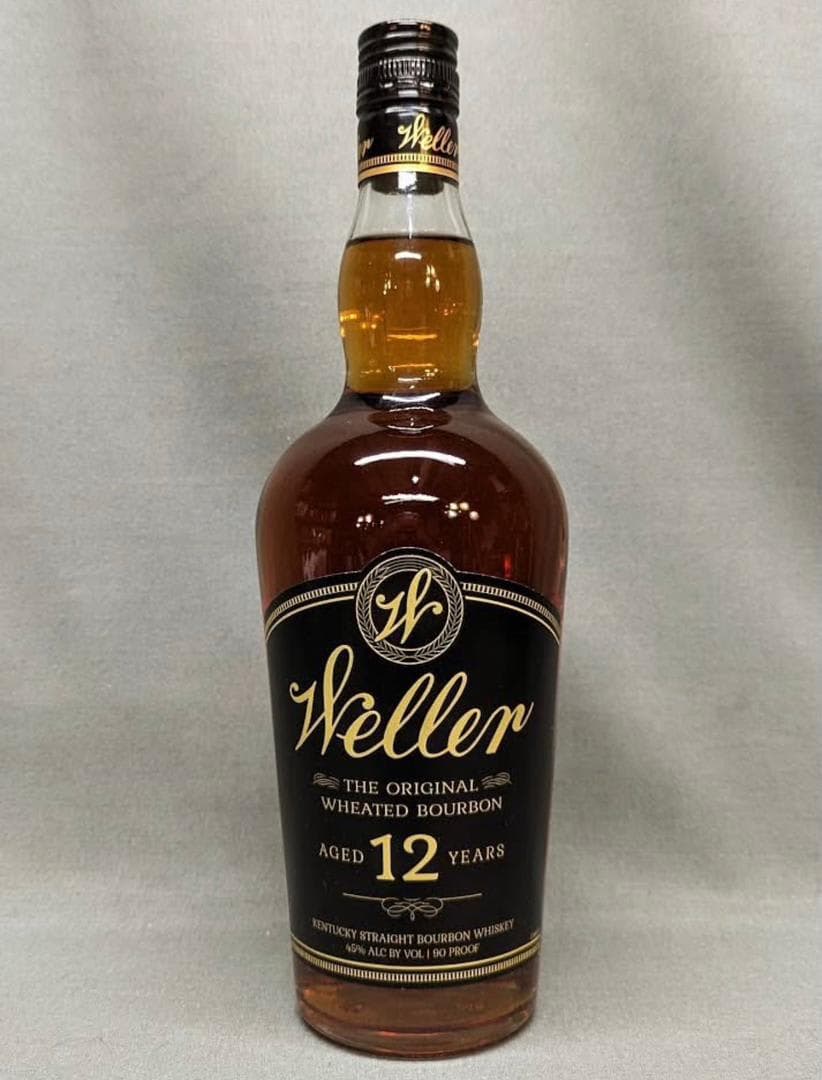
- Delicate food — fish, fresh cheese, salad: 80 to 95 proof, or do not pour bourbon at all. Weller 12 Year at 90 proof is about as loud as this should get.
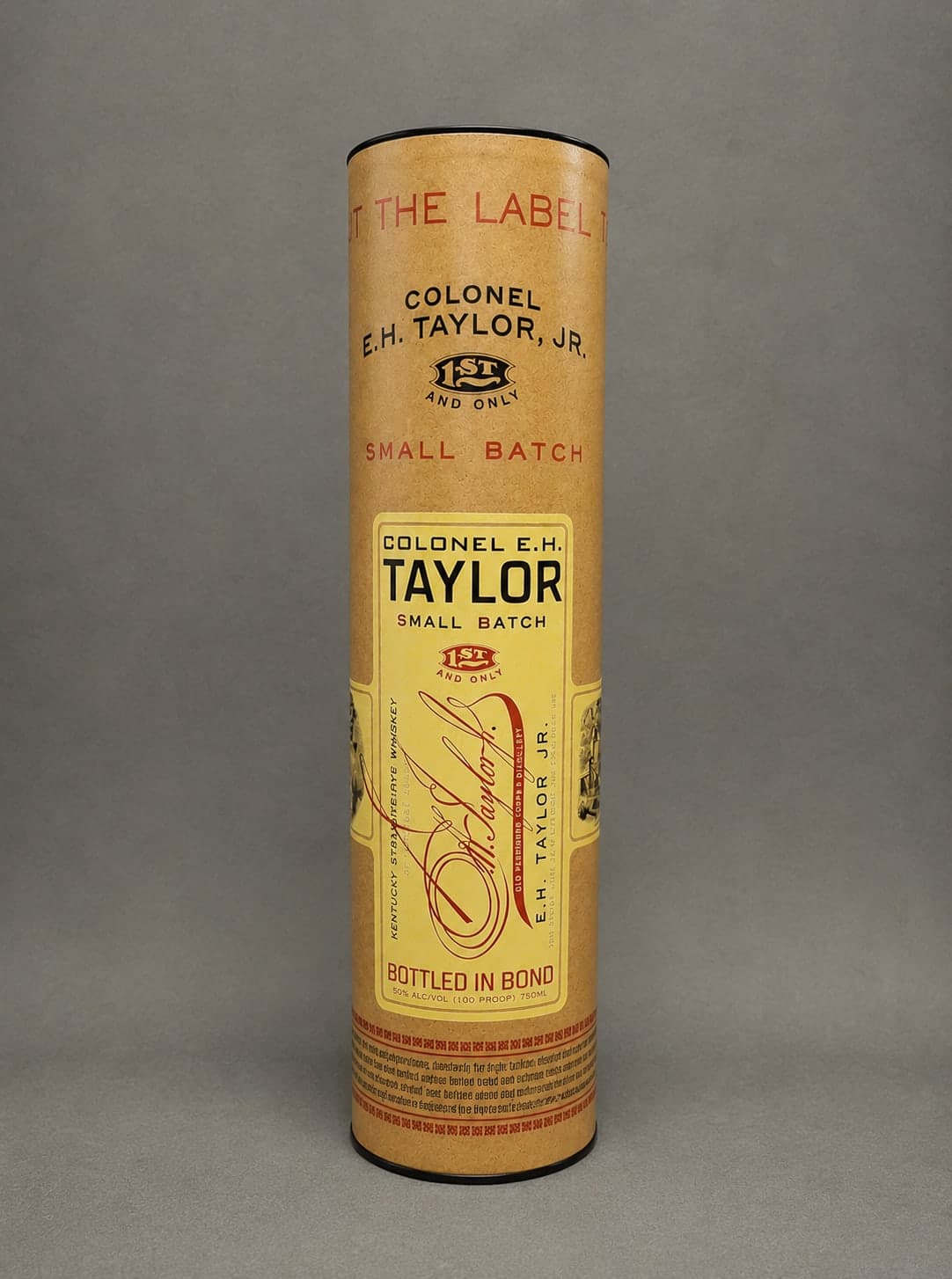
- Medium — roast chicken, aged cheddar, charcuterie: 90 to 100 proof. E.H. Taylor Small Batch at exactly 100 is built for this.
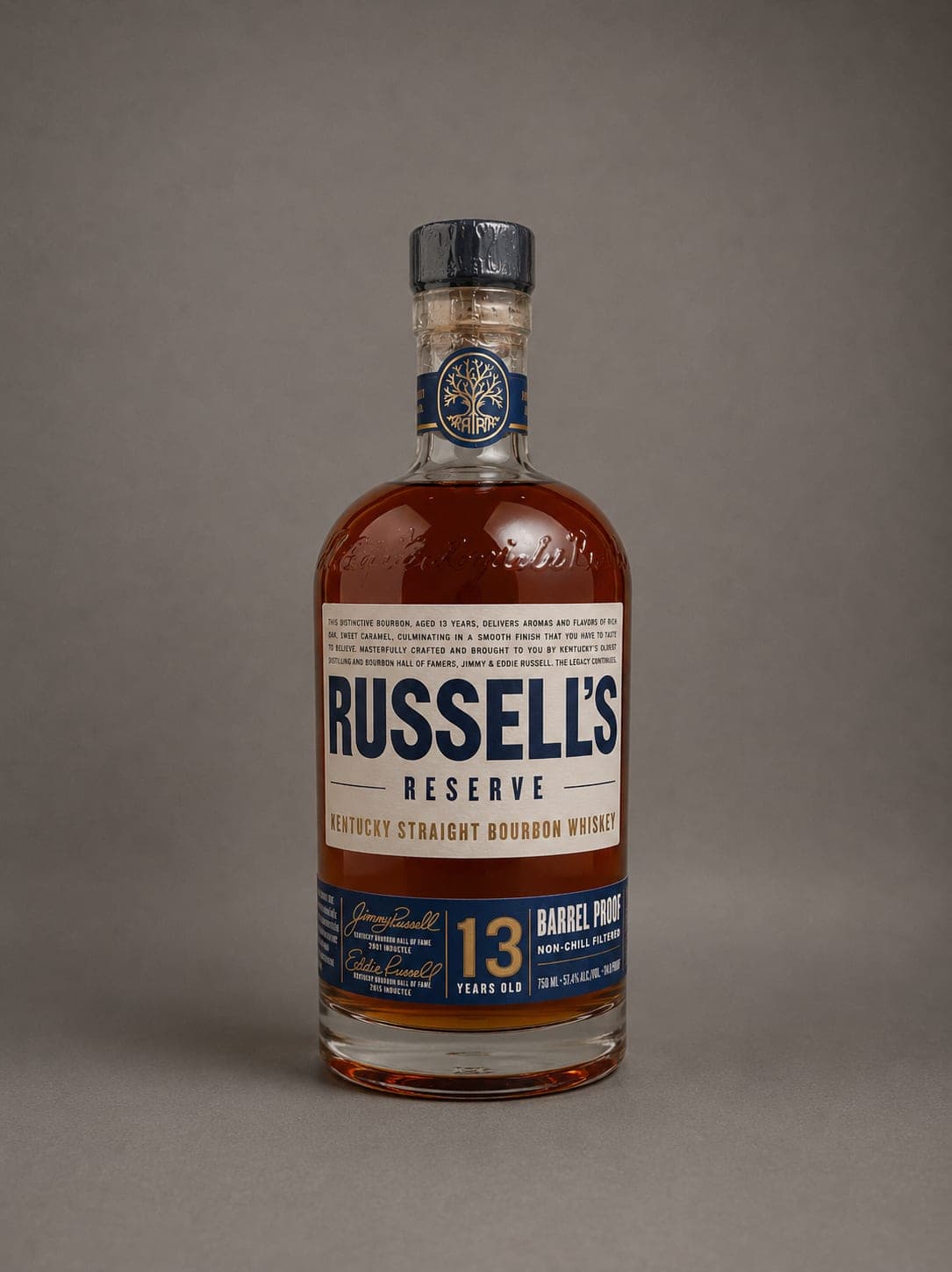
- Rich — beef, smoked meat, hard aged cheese: 100 to 115 proof. Russell's Reserve 13 Year at 114.8 holds its shape against anything off a grill.
- Dessert and after dinner: anything, including barrel proof, because there is nothing delicate left to protect.
Match the Weight, Not the Notes
The common mistake is pairing on flavour descriptors — vanilla notes with vanilla dessert, cherry notes with cherry tart. It rarely works, because two things tasting the same do not create contrast, they cancel. What matters is weight: a heavy whiskey needs food substantial enough to stand against it.
The exception is fat. Fat coats the palate and blunts alcohol, which is why rich food makes strong whiskey drink softer than it does alone. That is a genuinely useful lever — a bourbon that seems too hot neat will often behave perfectly beside something fatty.
Three Pairings Worth Building Around
Aged cheddar and a wheated bourbon
The most reliable pairing in the whole category. A good three-year cheddar is salty, crystalline and fatty; a wheated bourbon is soft, honeyed and low on spice. The salt sharpens the sweetness and the fat takes the edge off the alcohol. Weller 12 Year is the obvious pour. If you want to understand why wheat works here where rye does not, the mash bill guide covers it.
Smoked meat and high-rye bourbon
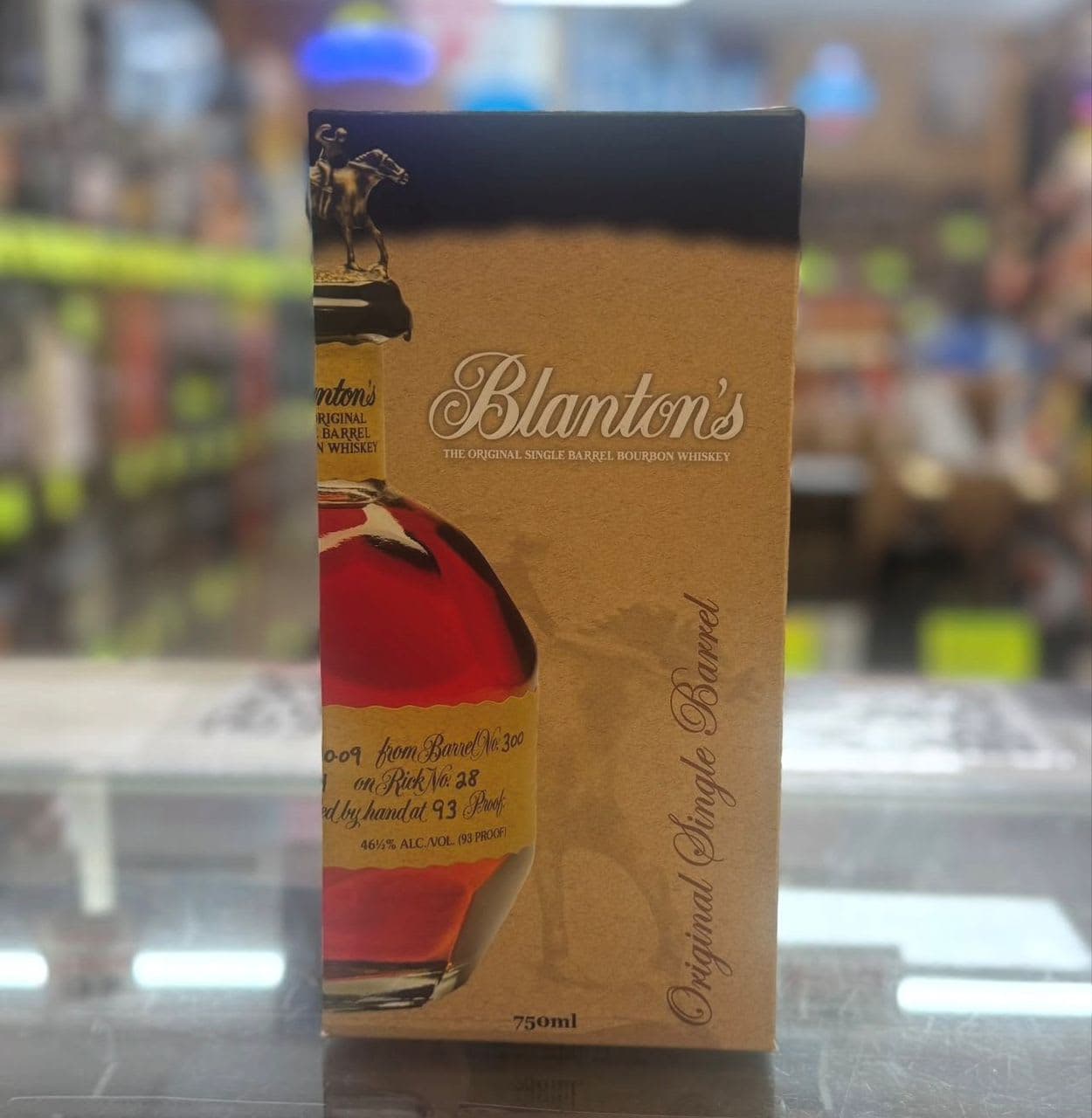
Rye spice does to barbecue what black pepper does to steak. The peppery, herbal edge cuts through smoke and fat instead of drowning in it, and the char on the meat echoes the char on the barrel. Blanton's Original at 93 proof handles a plate of brisket without either side giving way.
Dark chocolate and barrel proof
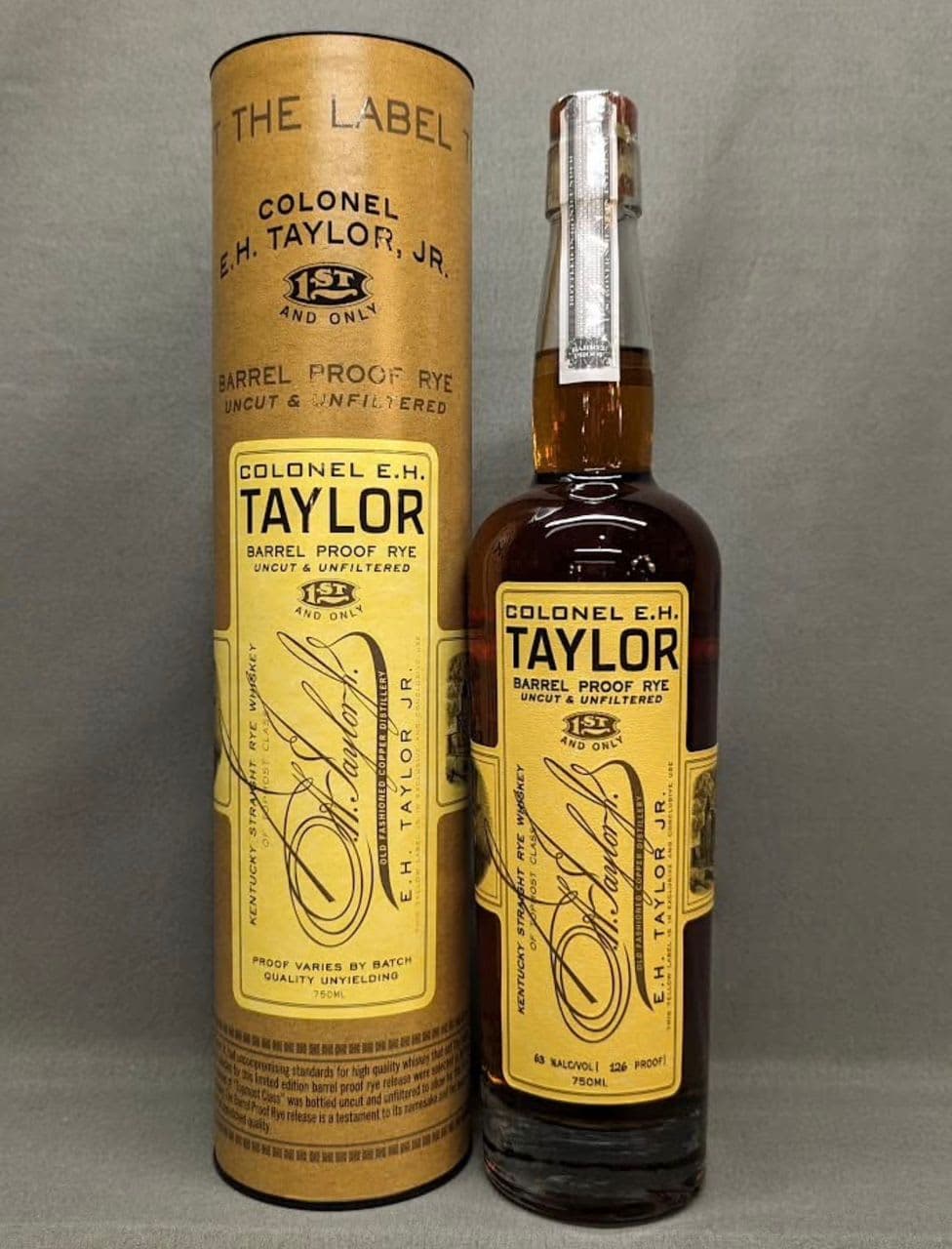
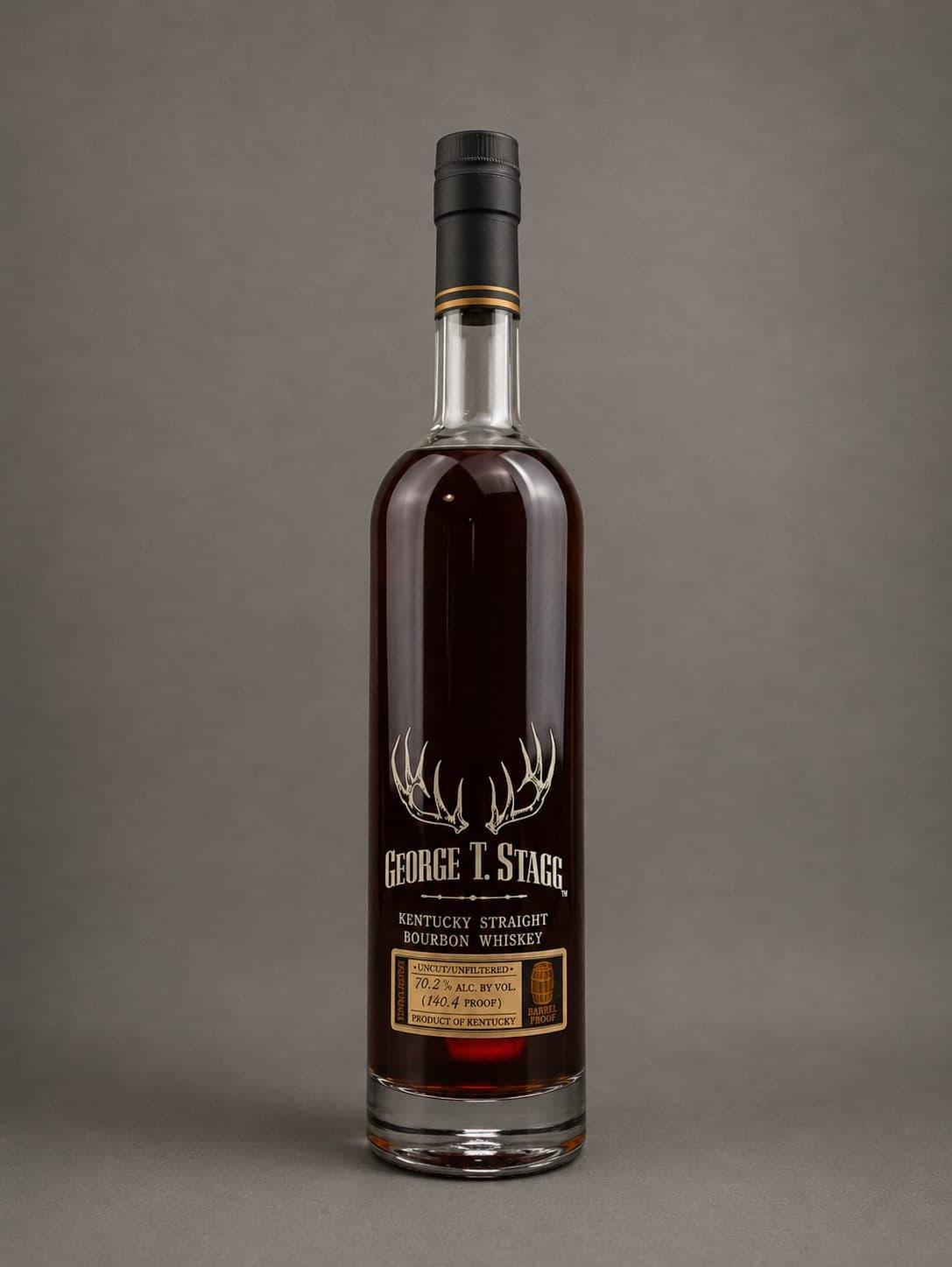
The one dessert pairing that earns its reputation, with a caveat: it needs to be genuinely dark, 70 percent or above. Milk chocolate is too sweet and turns the whiskey sour. At the end of a meal there is nothing delicate left to protect, so this is where E.H. Taylor Barrel Proof or George T. Stagg finally belong.
What Does Not Work
- Anything very spicy. Capsaicin and ethanol both hit the same heat receptors, and together they stop being flavour and start being pain.
- Delicate fish. Even a gentle bourbon flattens it, and the pairing is unpleasant in both directions.
- Very acidic dressings. Vinegar and citrus strip the palate and make oak taste bitter.
- Milk chocolate, ice cream, anything sugary. Sweetness on sweetness makes the whiskey read sour and thin.
- Mint, unless it is in the glass. Beside the glass it fights the bourbon; inside it, as a julep, it works — see the summer cocktails.
Serving a Bourbon Dinner
If you are pouring across a whole meal rather than one course, order matters more than the individual matches. Palate fatigue arrives faster than people expect, and once it does nothing tastes of anything.
- Go low to high in proof, always. A barrel proof pour early flattens everything after it.
- Half-ounce pours, not full ones. Three courses at a full pour each is a lot of whiskey and a wrecked palate.
- Water on the table, still not sparkling — carbonation irritates the palate.
- Three whiskeys across a meal is plenty. Five is the outer limit even for people who do this professionally.
The mechanics of tasting itself — glassware, nosing, how much water — are in the tasting guide. For choosing the bottles, the ranked guide covers what each one actually does, and the full range is in the shop.
Tagged
Common Questions
Frequently Asked
- What food goes best with bourbon?
- Aged cheddar with a wheated bourbon is the most reliable pairing in the category — the salt sharpens the sweetness and the fat softens the alcohol. Smoked meat with a high-rye bourbon is the second.
- Does bourbon go with chocolate?
- With genuinely dark chocolate, 70 percent or above, yes — and it is where barrel proof bottles finally belong. Milk chocolate is too sweet and makes the whiskey taste sour and thin.
- What should you not eat with bourbon?
- Very spicy food, since capsaicin and ethanol hit the same heat receptors; delicate fish, which any bourbon flattens; heavily acidic dressings, which make oak taste bitter; and sugary desserts.
- What proof bourbon should I serve with dinner?
- Match strength to the weight of the food: 80 to 95 proof for delicate dishes, 90 to 100 for roast meat and aged cheese, 100 to 115 for beef and smoked food. Save barrel proof for after the plates are cleared.
- How many bourbons should I pour across a meal?
- Three is plenty and five is the outer limit. Always go low to high in proof — a barrel proof pour early will flatten your palate for everything that follows.