Fundamentals
Mash Bill: The Recipe That Decides How Your Bourbon Tastes
Corn, rye, wheat and malted barley — what the grain recipe does, and how to taste it in the glass.
Eleanor Hayes
Master Distiller, Bourbon & Oak

Ask a distiller what makes their bourbon taste the way it does and you will hear about the yeast, the water, the barrel and the warehouse. All of that is true. But the first decision — the one made before a single drop of spirit exists — is the mash bill: the recipe of grains that goes into the cooker. It sets the frame that everything else works inside. Oak can deepen a bourbon, soften it, sweeten it and darken it. Oak cannot turn a wheated bourbon into a high-rye one.
A mash bill is simply the percentage breakdown of grains by weight. American law requires that bourbon be made from a grain mixture of at least 51% corn. The remaining 49% is where distilleries express themselves, and the differences are not subtle — two bourbons of the same age, from the same warehouse, at the same proof, can taste like different categories of whiskey because their grain recipes diverged.
What Each Grain Is Actually Doing
Corn is the sugar engine. It ferments into a broad, sweet, slightly oily spirit that carries caramel, vanilla and baked-corn notes. It is also relatively neutral in character, which is why the law can require so much of it and still leave room for real differences. Push corn very high — into the high 70s and beyond — and you get bourbons that read as soft, sweet and round, sometimes at the cost of structure.
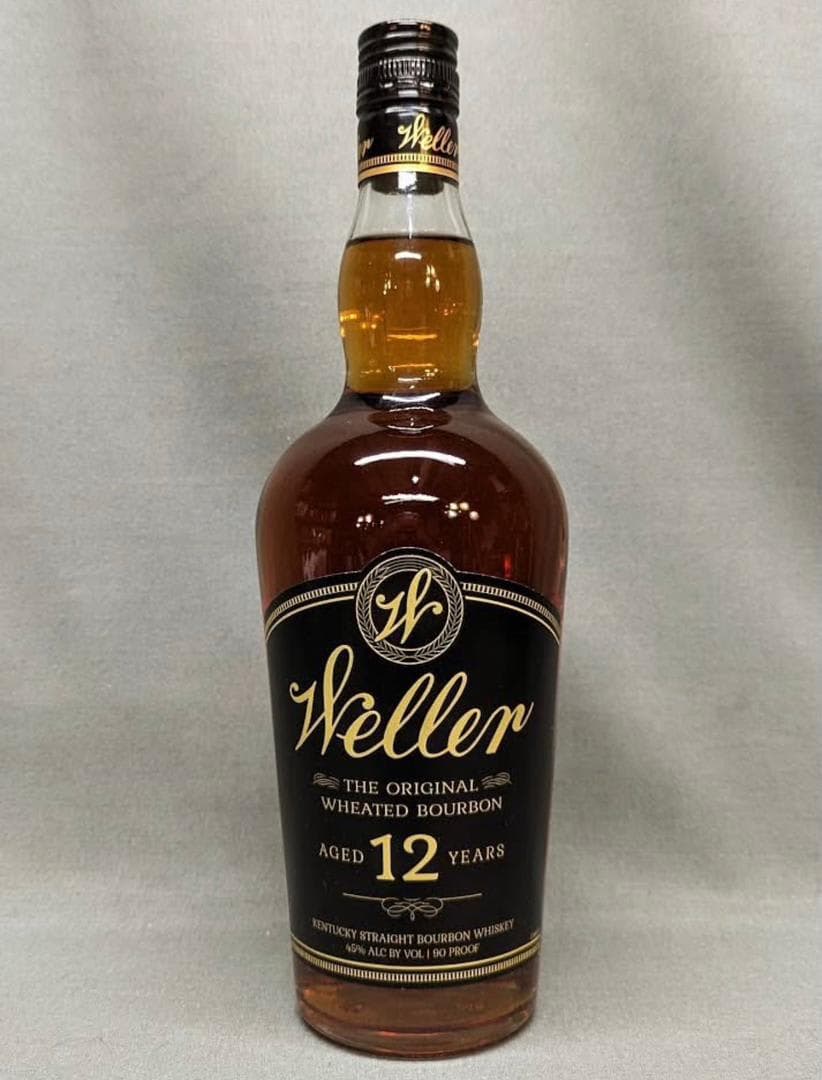
Rye is the spice. It brings black pepper, cinnamon, mint, dill and a dry, brisk finish. Rye is also what gives a bourbon its backbone: the reason a high-rye whiskey can stand up to a decade in oak without collapsing into syrup. Wheat plays the opposite role. Substituted for rye, it contributes very little flavor of its own, which is exactly the point — it steps out of the way and lets corn sweetness and oak come forward, producing the soft, honeyed profile that made W.L. Weller 12 Year and the Van Winkle line famous.
Malted barley is the smallest number on almost every bourbon mash bill — usually 5% or less — and it is there to work, not to flavor. Malting activates enzymes that convert grain starch into fermentable sugar. Without it, the corn and rye starches largely stay locked up. Some modern distilleries use added enzymes instead and drop the barley further, but the classic Kentucky recipe keeps a small malt component.
The Three Archetypes
Almost every bourbon you will meet falls into one of three families. Learning to place a whiskey into the right family blind is the single most useful tasting skill in American whiskey, and it takes an afternoon, not a career.
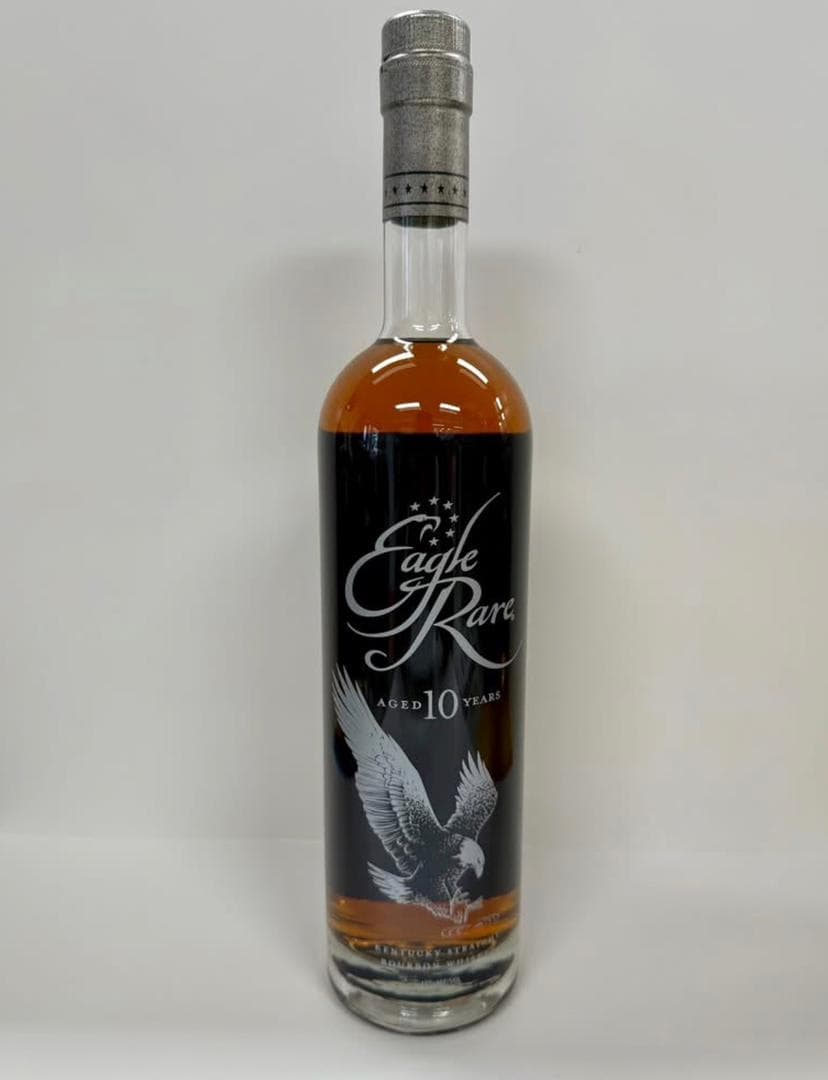
- Traditional or low-rye: roughly 70 to 78% corn, 8 to 13% rye, the balance malted barley. Balanced, caramel-forward, the house style of much of Kentucky. Think Eagle Rare and the Buffalo Trace Mash Bill #1 family.
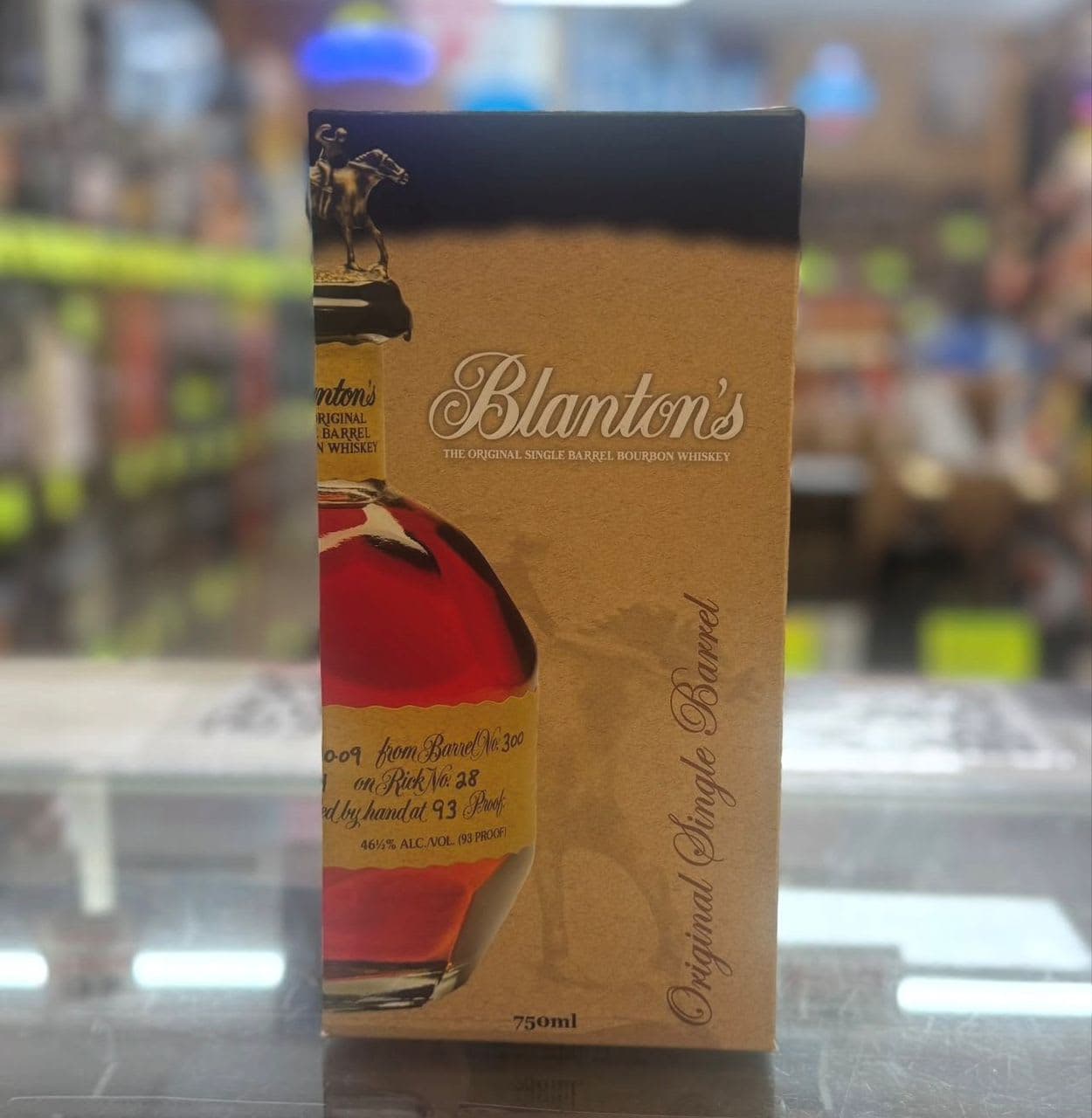
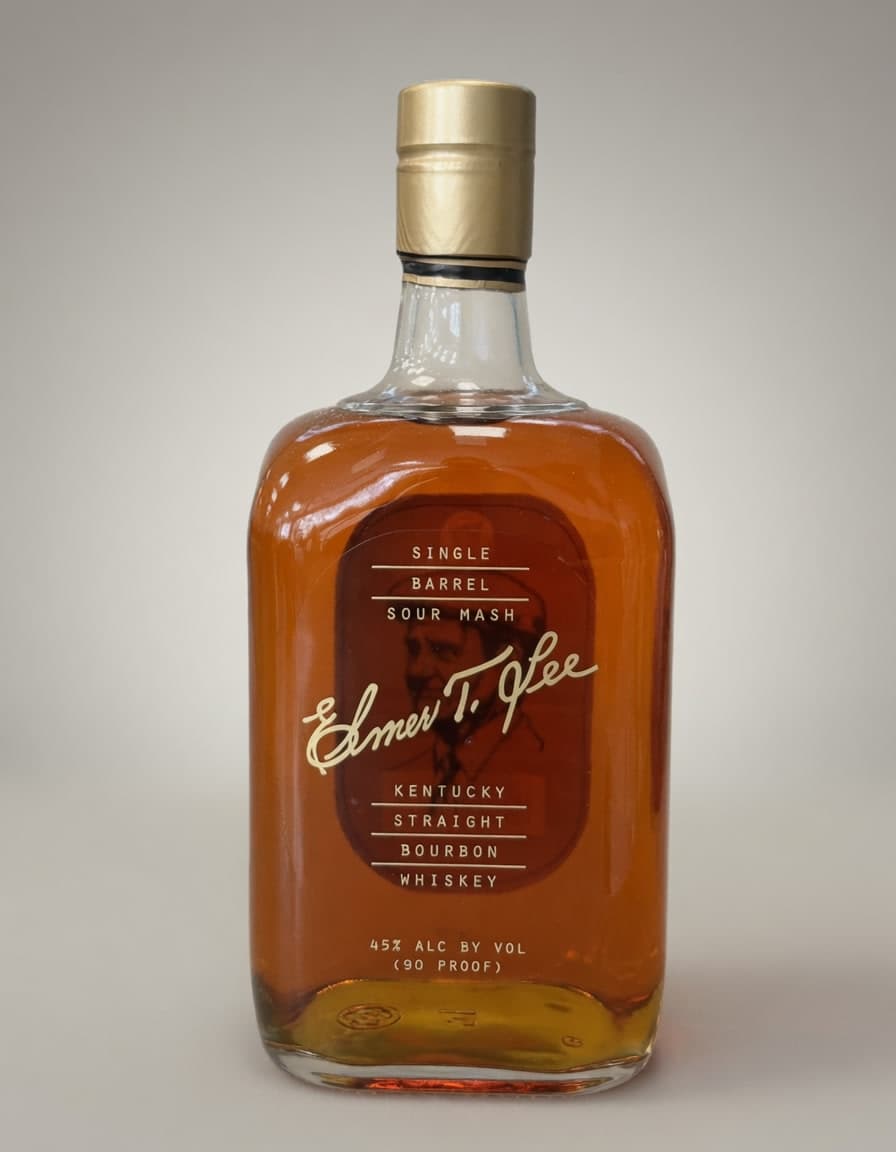
- High-rye: roughly 60 to 70% corn with rye pushed to 18 to 35%. Peppery, dry, structured, with a finish that snaps rather than fades. Mash Bill #2 bourbons like Blanton's and Elmer T. Lee live here.
- Wheated: rye replaced entirely by wheat, usually 16 to 20%. Soft, round, honeyed, low on spice. Weller and Van Winkle are the reference points.
The families are not a quality ranking. A great high-rye and a great wheater are equally great; they simply answer different questions. If you find yourself consistently reaching for one family, that is worth knowing — it will save you a great deal of money on bottles you were never going to love.
How to Taste the Mash Bill
Pour two bourbons side by side from different families — a Blanton's and a Weller Full Proof is an unusually clear pairing — and ignore everything except the finish. Wheated bourbon tends to fade slowly and sweetly, like the last of a caramel. High-rye finishes drier and shorter, and often leaves a faint peppery tingle at the back of the tongue. That difference is more reliable than anything on the nose, where oak and proof crowd everything else out.
Then go back to the mid-palate. Rye announces itself as a distinct spice note somewhere in the middle of the sip, usually cinnamon or black pepper. Wheat announces itself by absence — a smooth, uninterrupted sweep from arrival to finish with no spike of spice. Once you have felt that contrast a few times you will hear it immediately, and you will start recognising the recipe behind bourbons whose numbers were never published.
Why Distilleries Guard the Numbers
Many Kentucky distilleries publish their mash bills. Several do not, and the most famous holdout is Buffalo Trace, which has never released the exact ratios for Mash Bill #1 or #2 — only that #2 contains more rye. Enthusiasts have estimated the numbers for decades. The reticence is partly competitive and partly a fair point about emphasis: the recipe is one of several variables, and a distillery that publishes it invites customers to treat it as the whole story.
It is not the whole story. Yeast strain contributes fruit and floral esters that no grain bill can explain. Entry proof — the strength at which new spirit goes into the barrel — changes how much wood character the whiskey extracts. Fermentation length, cook temperature and the sour mash proportion all leave fingerprints. A mash bill tells you the shape of the whiskey. It does not tell you how good it is.
Reading a Label for Clues
Most bottles will not print a mash bill, but they usually leave clues. Any label that says wheated, or names wheat as the secondary grain, has told you everything you need. A bottle that advertises high rye is making a promise about spice. Bourbons that say nothing at all are, more often than not, traditional recipes — the house style is rarely the thing a marketing department chooses to shout about.
Where a brand publishes nothing, the family it belongs to is often the better guide. Buffalo Trace's Mash Bill #2 whiskeys — Elmer T. Lee, Rock Hill Farms and Blanton's among them — share a recognisable dry, peppery signature even across very different ages and proofs. Learn the family and you can predict the bottle.
None of this is homework. It is simply the difference between drinking a bourbon and understanding why you like it — and once you can name the reason, the next bottle you buy is far more likely to be one you finish.
Tagged
Common Questions
Frequently Asked
- What is a bourbon mash bill?
- A mash bill is the recipe of grains used to make the whiskey, given as percentages by weight. U.S. law requires bourbon to be at least 51% corn; the rest is typically rye or wheat plus a small amount of malted barley.
- What is the difference between high-rye and wheated bourbon?
- High-rye bourbon uses 18% or more rye and tastes peppery, dry and structured with a short, brisk finish. Wheated bourbon replaces rye with wheat, which adds little flavor of its own and leaves a soft, sweet, honeyed profile with a long fade.
- Does the mash bill matter more than the barrel?
- Neither dominates. The mash bill sets the shape of the whiskey — where the spice and sweetness sit — and the barrel and warehouse determine how deep, dark and oaky it becomes. Oak cannot turn a wheated bourbon into a high-rye one.