Fundamentals
Bourbon vs Whiskey: What Actually Makes a Bourbon
All bourbon is whiskey. Almost none of what people believe about the difference is written into the law.
Eleanor Hayes
Master Distiller, Bourbon & Oak
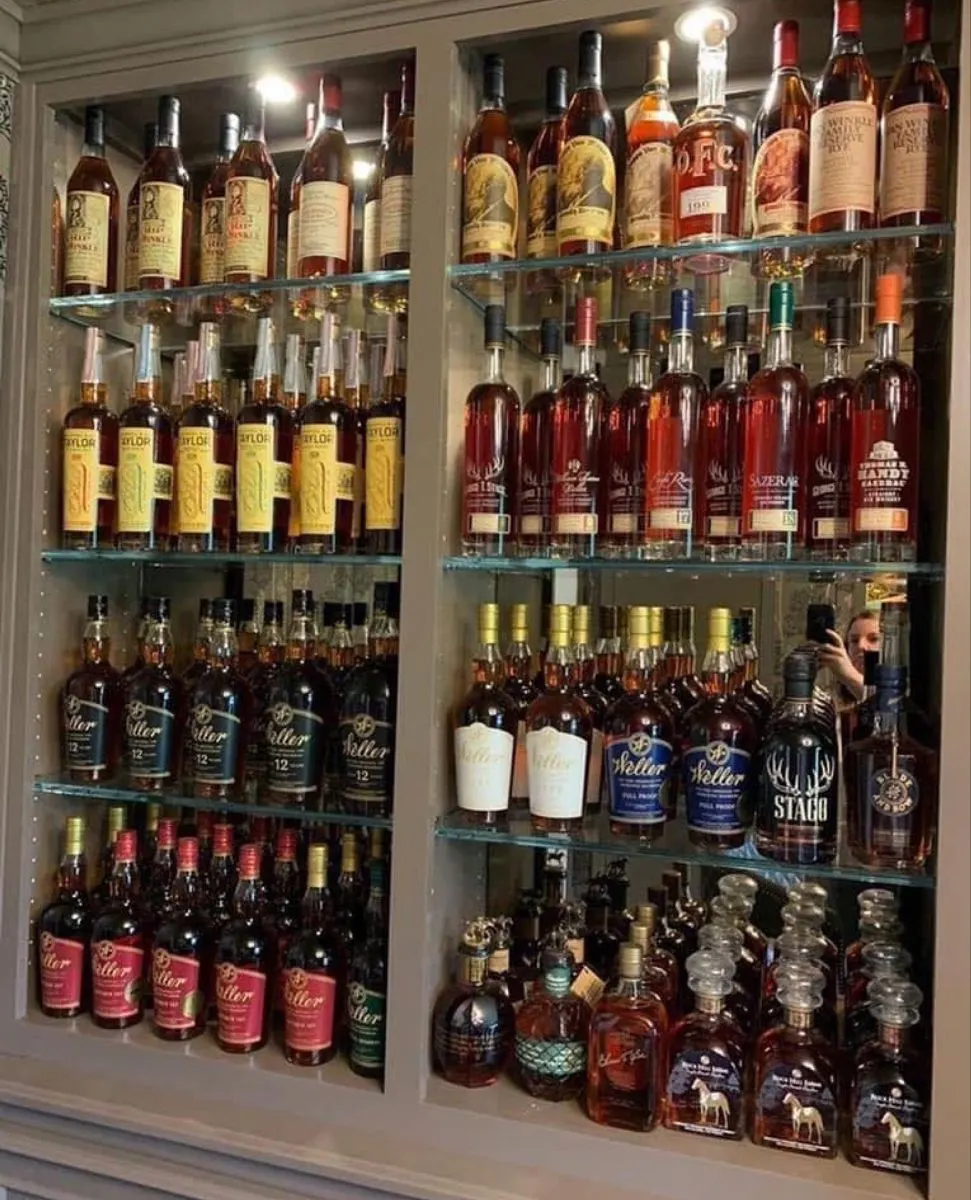
The most common question we get asked across the counter is what separates bourbon from whiskey, and the honest answer surprises people: nothing separates them, because bourbon is whiskey. It is a subcategory, in the same way that a Cabernet is a wine. The useful question is narrower - what does a whiskey have to do to earn the word bourbon on its label - and unlike most drinks marketing, that has a precise legal answer.
In the United States, the Standards of Identity for Distilled Spirits set out exactly six requirements. Meet all six and you may call it bourbon. Miss any one and you may not, however good the whiskey is.
The Six Rules
- Made in the United States. Not Kentucky - anywhere in the US. Kentucky makes roughly 95 percent of it by long tradition and good limestone water, but a bourbon distilled in Texas or New York is no less a bourbon.
- Mash bill of at least 51 percent corn. The remaining 49 percent is the distiller's signature, and it is where wheated and high-rye styles diverge.
- Distilled to no more than 160 proof. Distil higher and you strip out the congeners that carry flavour, which is the difference between whiskey and vodka.
- Entered into the barrel at no more than 125 proof. Lower entry proof means more water in the barrel and a different extraction of sugars from the wood.
- Aged in new, charred oak containers. New is the expensive word here. Scotch may reuse barrels for decades; every drop of bourbon requires a fresh charred cask, which is why the used barrels end up filled with scotch, rum and tequila.
- Bottled at 80 proof or higher, with nothing added but water. No colouring, no flavouring, no sweetening. The colour in your glass came out of the wood.
Straight, Bonded, and the Categories That Actually Mean Something
Straight bourbon adds a minimum of two years in the barrel, and forbids added colouring or flavouring outright. If a straight bourbon is under four years old, the label must state its age. That single rule is why so many bottles carry no age statement at all: once past four years, the producer may stay silent.
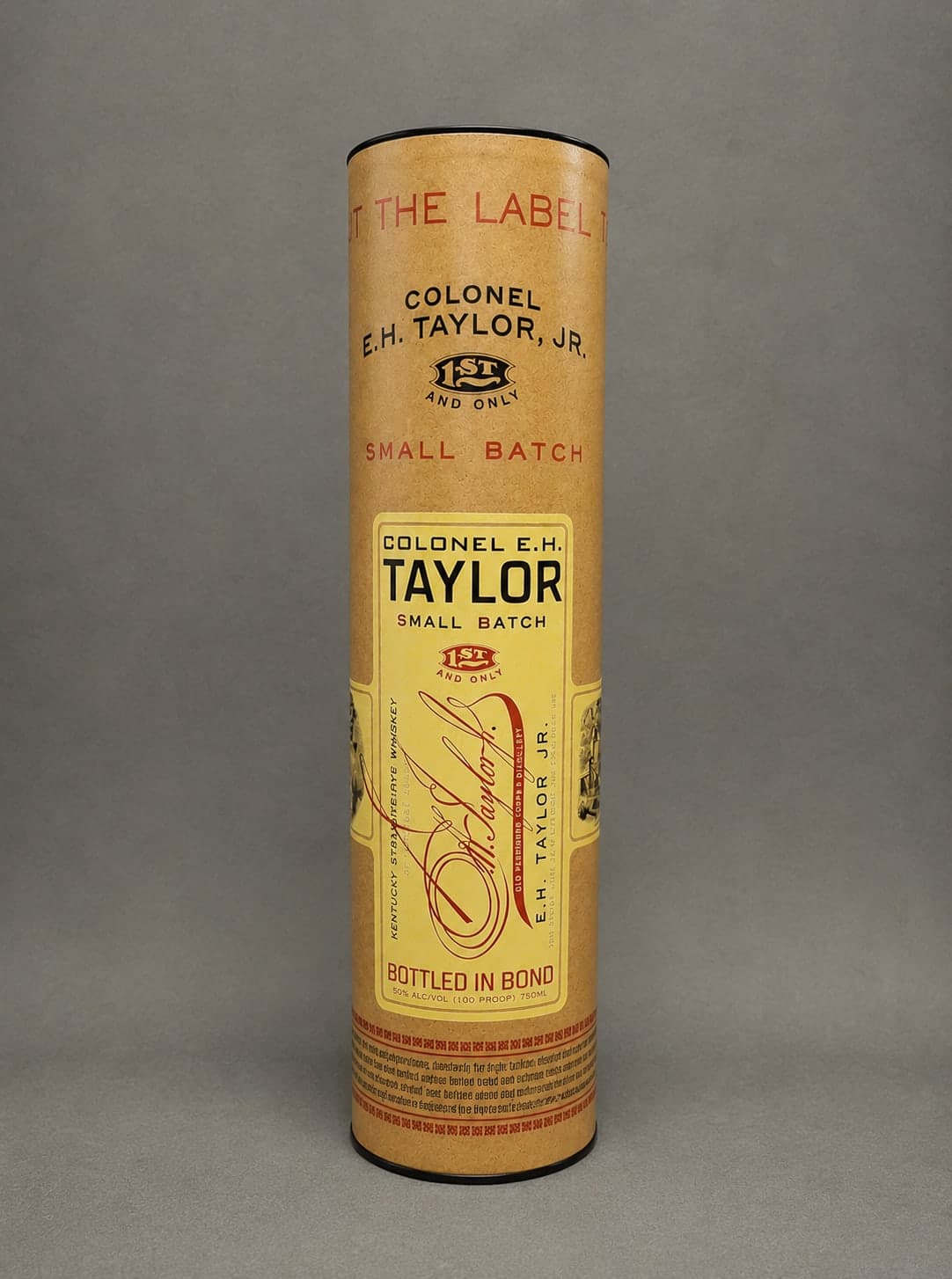
Bottled in Bond goes further, and it is the most demanding label in American whiskey. It comes from the Bottled-in-Bond Act of 1897, passed as consumer protection legislation decades before the Food and Drug Administration existed, at a time when adulterated whiskey was a genuine public health problem. A bonded bourbon must be the product of one distillation season, from one distillery, aged at least four years in a federally supervised warehouse, and bottled at exactly 100 proof. The Colonel E.H. Taylor, Jr. Small Batch is built on precisely that standard, and the whole Taylor range is named for the man who campaigned for the Act.
Bourbon, Rye, Tennessee, Scotch
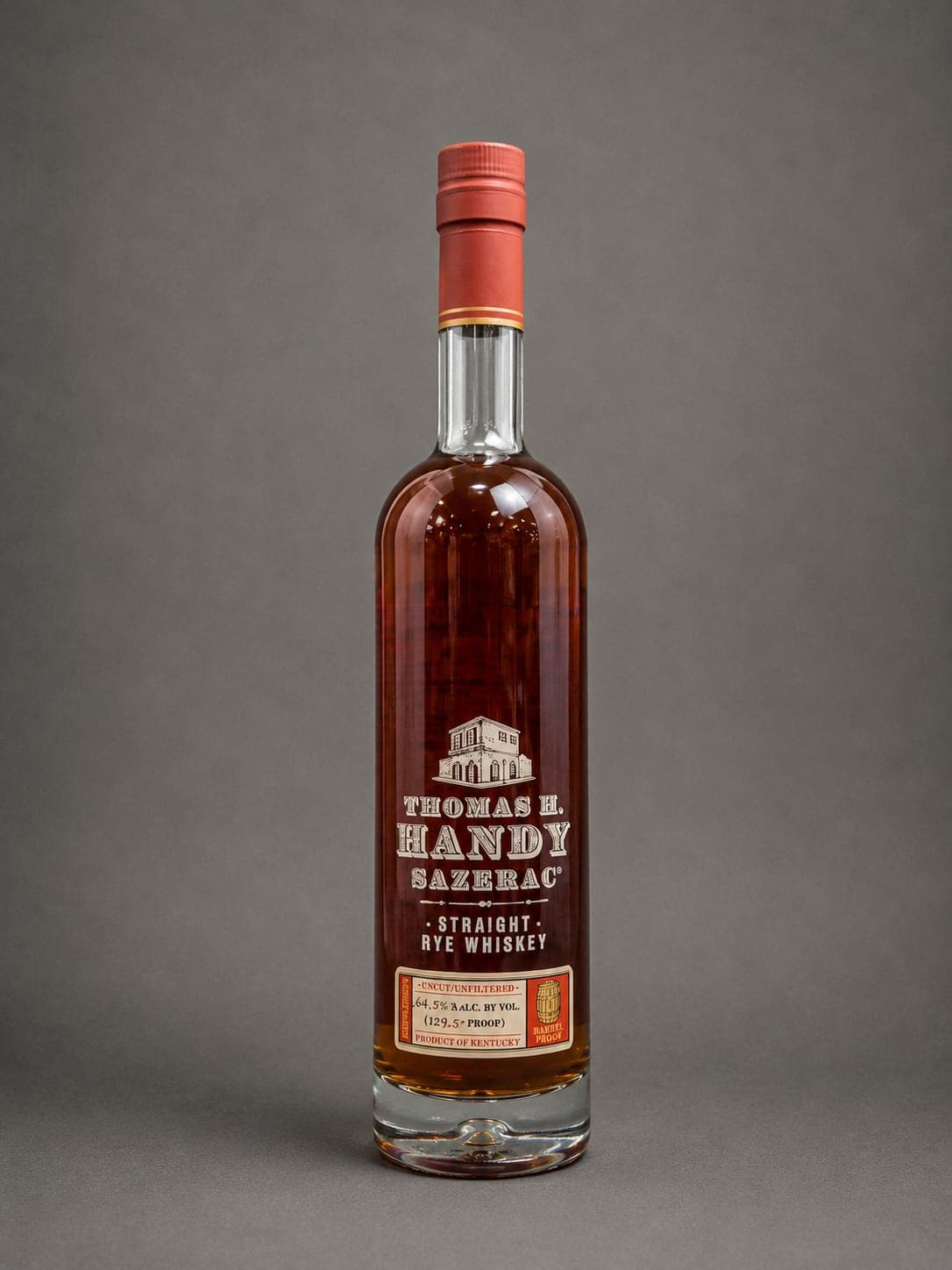
Rye whiskey flips the grain requirement: at least 51 percent rye instead of corn. Everything else - new charred oak, the proof ceilings - stays the same. The result is drier, peppery and more herbal where bourbon is sweet and round. Pour a Thomas H. Handy Sazerac next to any bourbon on your shelf and the difference is immediate and instructive; it is the single fastest way to learn what corn is contributing.
Tennessee whiskey meets every bourbon requirement and then adds one: the Lincoln County Process, filtering the new spirit through sugar maple charcoal before barrelling. Scotch is a different animal entirely - malted barley rather than corn, aged at least three years, and typically in used casks, which is why it tastes of the wood far less aggressively than bourbon does.
Why the Rules Produce the Flavour
Two of the six rules do most of the sensory work. The corn minimum supplies sweetness and body. The new charred oak supplies everything else. Charring the inside of a fresh cask caramelises the wood sugars into a layer that gives up vanillin, lactones and tannins to the spirit over years of Kentucky temperature swings - vanilla, caramel, baking spice, toasted nut. A used barrel has already surrendered most of that. A new one has all of it to give, which is why bourbon develops so much character in a decade while scotch often needs longer.
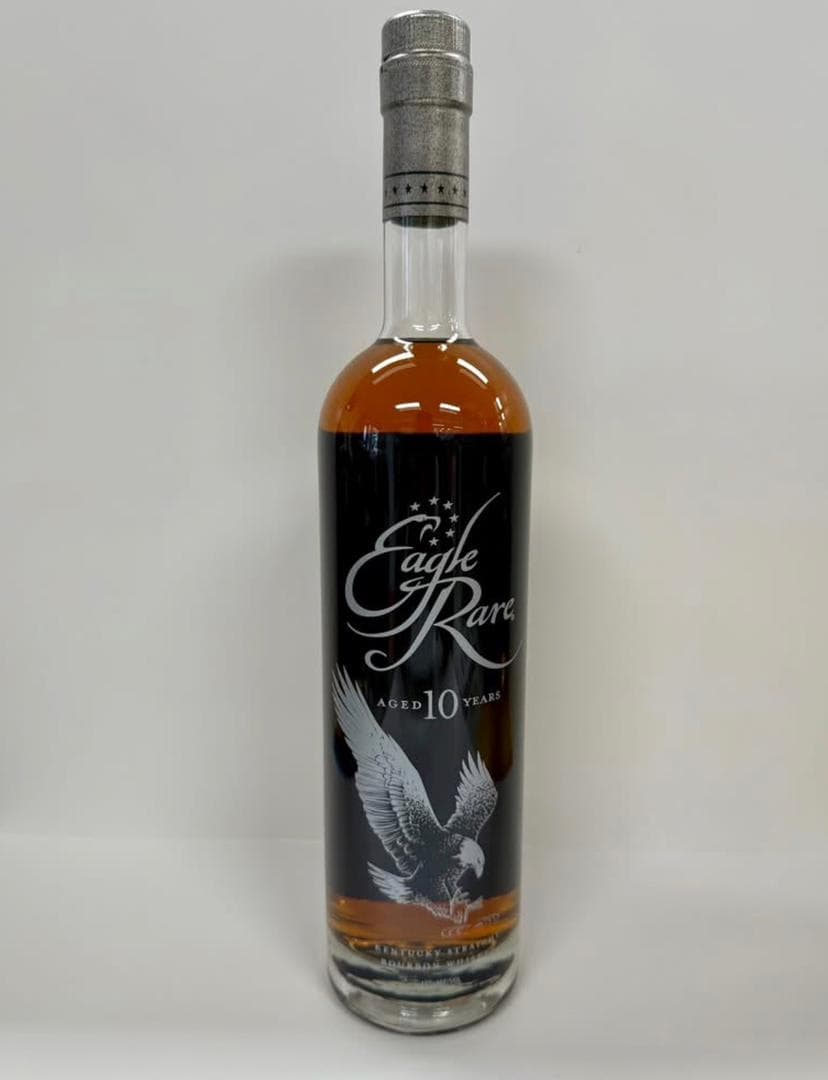
That is also why bourbon rewards patience rather than requiring it. Something like Eagle Rare 10 Year shows what a decade in new oak does at an accessible price, while the older expressions in the allocated collection show where the same process ends up after fifteen or twenty years.
Where to Take This Next
Once the definitions are clear, the interesting question becomes what that other 49 percent of the mash bill is doing - which is the difference between a soft, honeyed wheated bourbon and a spicy high-rye one. We cover that in the mash bill guide. If you would rather start with a glass in your hand, our tasting guide is the practical companion, and the full range sits in the shop.
Tagged
Common Questions
Frequently Asked
- Is bourbon a whiskey?
- Yes. Bourbon is a category of whiskey, the way Cabernet is a category of wine. All bourbon is whiskey; only whiskey meeting six specific federal requirements may be called bourbon.
- Does bourbon have to be made in Kentucky?
- No. It must be made in the United States. Kentucky produces the overwhelming majority by tradition and because of its limestone water, but bourbon distilled anywhere in the US is legally bourbon.
- What is the difference between bourbon and rye whiskey?
- The grain. Bourbon must be at least 51 percent corn, rye must be at least 51 percent rye. Both use new charred oak. Bourbon is sweeter and rounder; rye is drier, peppery and more herbal.
- What does bottled in bond mean?
- One distillery, one distillation season, at least four years in a federally supervised warehouse, and bottled at exactly 100 proof. It comes from the Bottled-in-Bond Act of 1897 and is the strictest label in American whiskey.
- Does bourbon have a minimum age?
- Plain bourbon has none. Straight bourbon requires two years, and must state its age if under four. Bottled in bond requires four.