Fundamentals
How to Read a Bourbon Label
Which words on the front are legally defined, which are pure marketing, and the one line on the back that tells you who really made it.
Eleanor Hayes
Master Distiller, Bourbon & Oak

A bourbon label is two documents printed on one piece of paper. Part of it is regulated, audited and legally meaningful. The rest is advertising copy that anyone may write about anything. They sit in the same typeface, often in the same sentence, and nothing marks where one ends and the other begins. Learning the seam is the single most useful skill in buying whiskey, because it is what stops you paying a premium for an adjective.
Terms That Are Legally Defined
These have federal meanings. A producer who prints them and does not meet the standard is committing labelling fraud, not stretching the truth.
- Bourbon — at least 51 percent corn, distilled below 160 proof, entered into new charred oak below 125 proof, bottled at 80 proof or above, nothing added but water.
- Straight bourbon — the above plus a minimum of two years in the barrel, and if it is under four years the label must state its exact age.
- Bottled in bond — one distillery, one distillation season, at least four years in a federally supervised warehouse, exactly 100 proof. The strictest label in American whiskey.
- Age statement — refers to the youngest whiskey in the bottle, never the average. A number here is a floor.
- Cask strength / barrel proof — bottled at the strength it left the barrel, uncut.
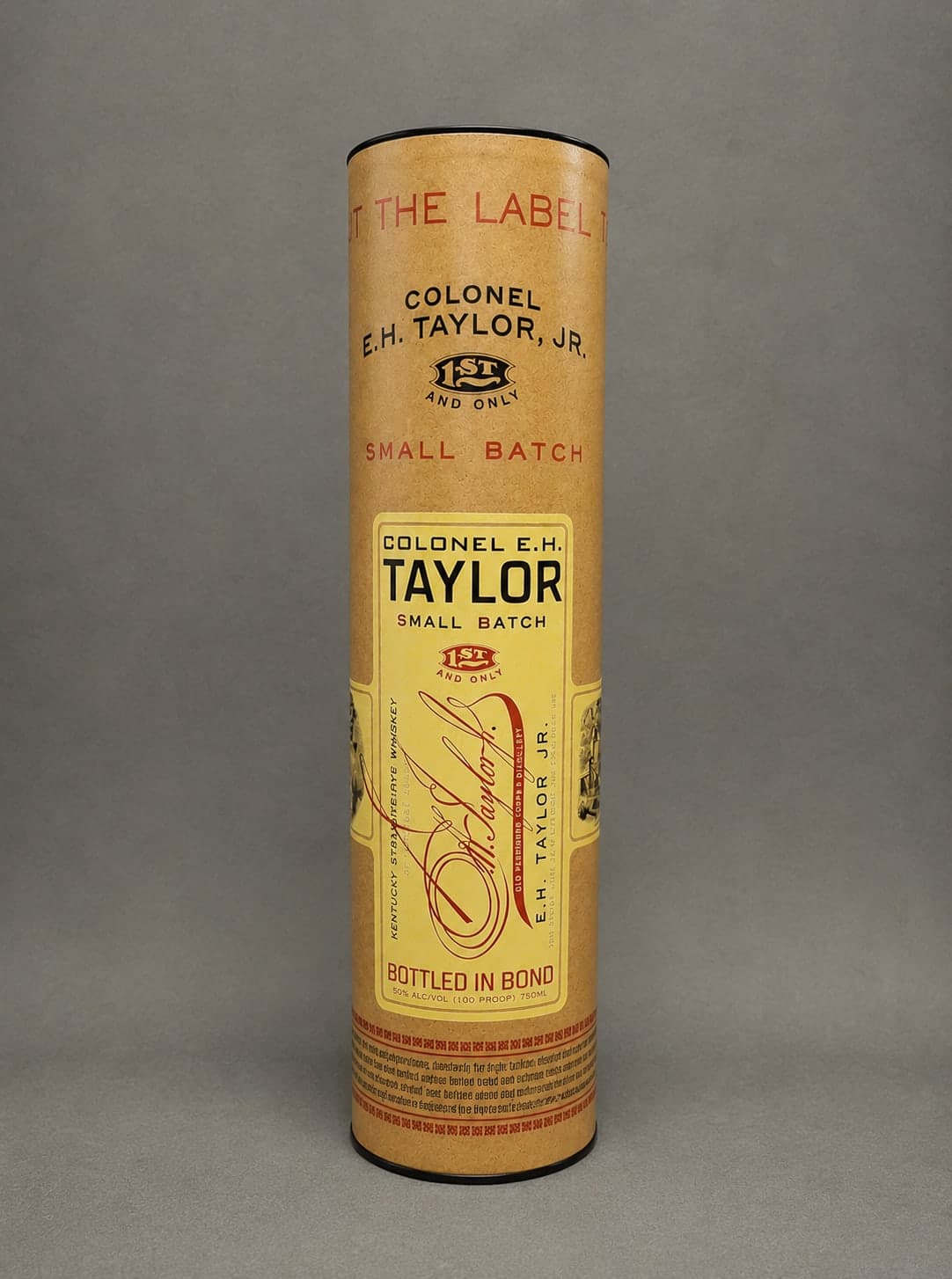
Colonel E.H. Taylor Small Batch carries the bonded standard on its neck, which is a genuine claim about how it was made. We unpack the whole framework in what actually makes a bourbon.
Terms That Mean Nothing At All
Every phrase in this list is unregulated. Not loosely regulated — entirely undefined. A producer may print any of them on any bottle, for any reason.
- Small batch — no maximum number of barrels exists. It has been used for four barrels and for four hundred.
- Handcrafted, artisanal, hand-selected, hand-made — decoration. Every distillery is operated by hands.
- Reserve, Select, Private Barrel, Founder's — brand names dressed as grades.
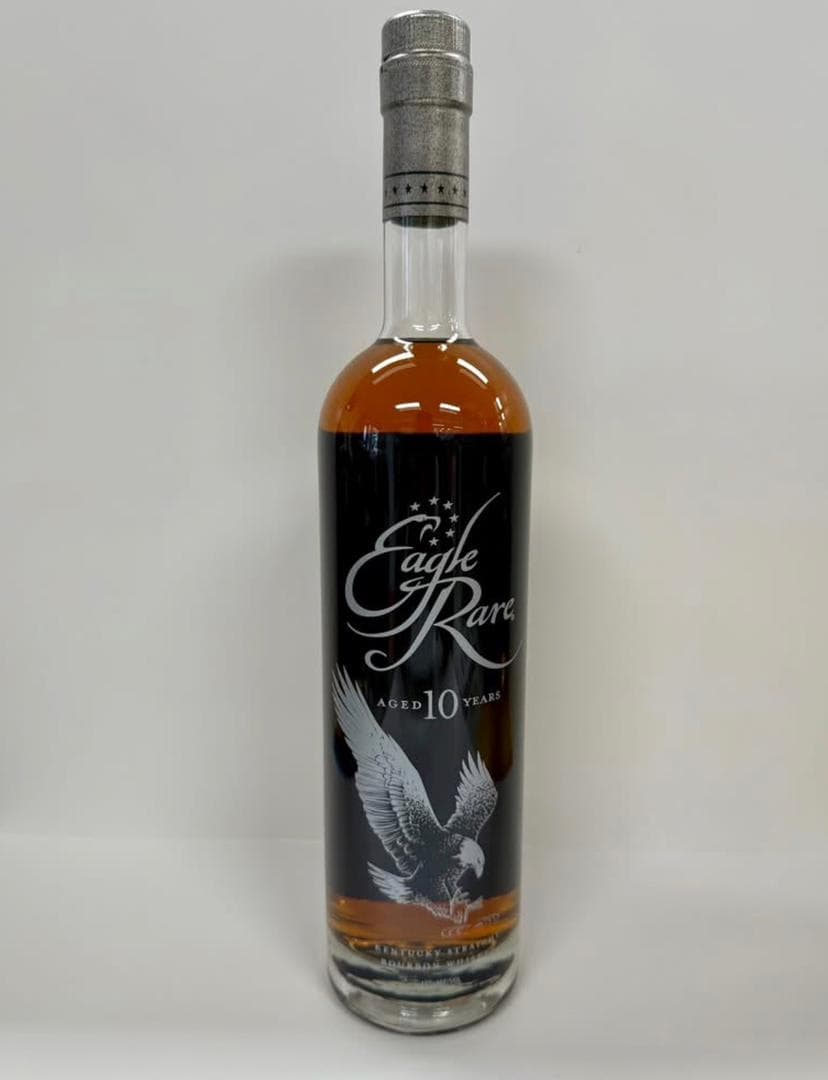
- Old, Rare, Antique — words, not ages. A bottle saying Old with no number may be two years in the barrel.
- Charcoal filtered, small pot still, sour mash — real processes, but so nearly universal in American whiskey that stating them tells you nothing about this bottle.
The Line That Tells You Who Made It
Somewhere on the back, usually in the smallest type on the bottle, is a phrase like Distilled by, Produced by, or Bottled by, followed by a company and a town. These are not interchangeable, and the difference is the most consequential thing on the label.
- Distilled by — this company ran the still. The strongest claim on any label.
- Distilled and bottled by — they made it and they filled the bottle. Stronger still.
- Produced by — deliberately vague. Often means they bought whiskey somebody else distilled and did something to it.
- Bottled by — they put it in glass. It says nothing about who made the liquid.
- Imported by / Blended by — the whiskey came from elsewhere.
None of this makes sourced whiskey bad. Some excellent bottles are distilled by one company and selected by another with real skill. What it does mean is that Produced by a company founded in 2019 does not describe a two-hundred-year heritage, whatever the front of the bottle implies.
The DSP Number
The most honest thing on any American whiskey bottle is a code like DSP-KY-113. It stands for Distilled Spirits Plant, the federal registration of the physical site where the whiskey was made, and the number identifies exactly one facility. Brands can be invented overnight; a DSP number cannot.
Two bottles from different companies with different stories and the same DSP number came out of the same building. This is how people work out which brands are quietly sharing a distillery. It will not tell you the mash bill or the barrel selection, and those matter — but it settles the question of where the liquid was born.
Reading the Proof Correctly
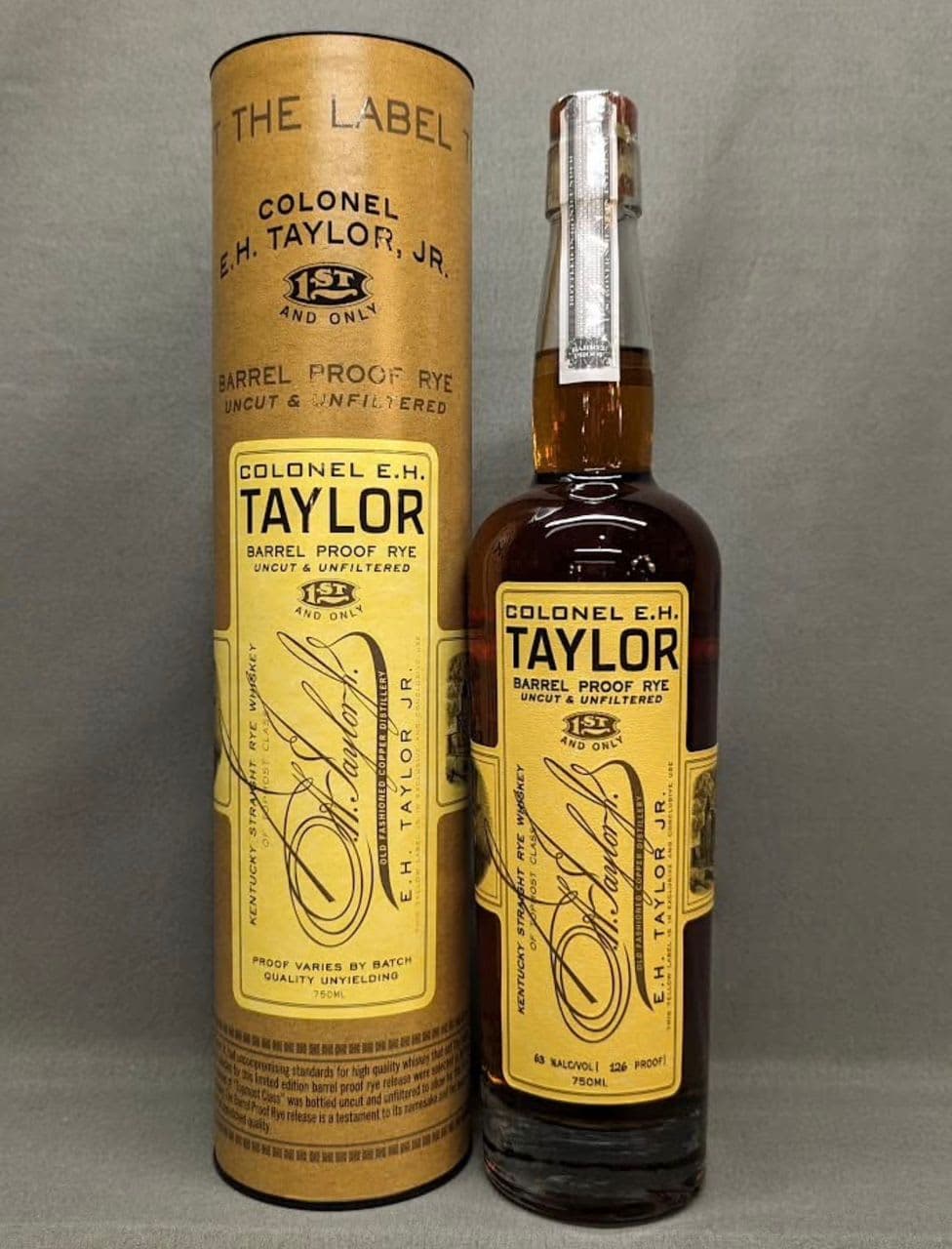
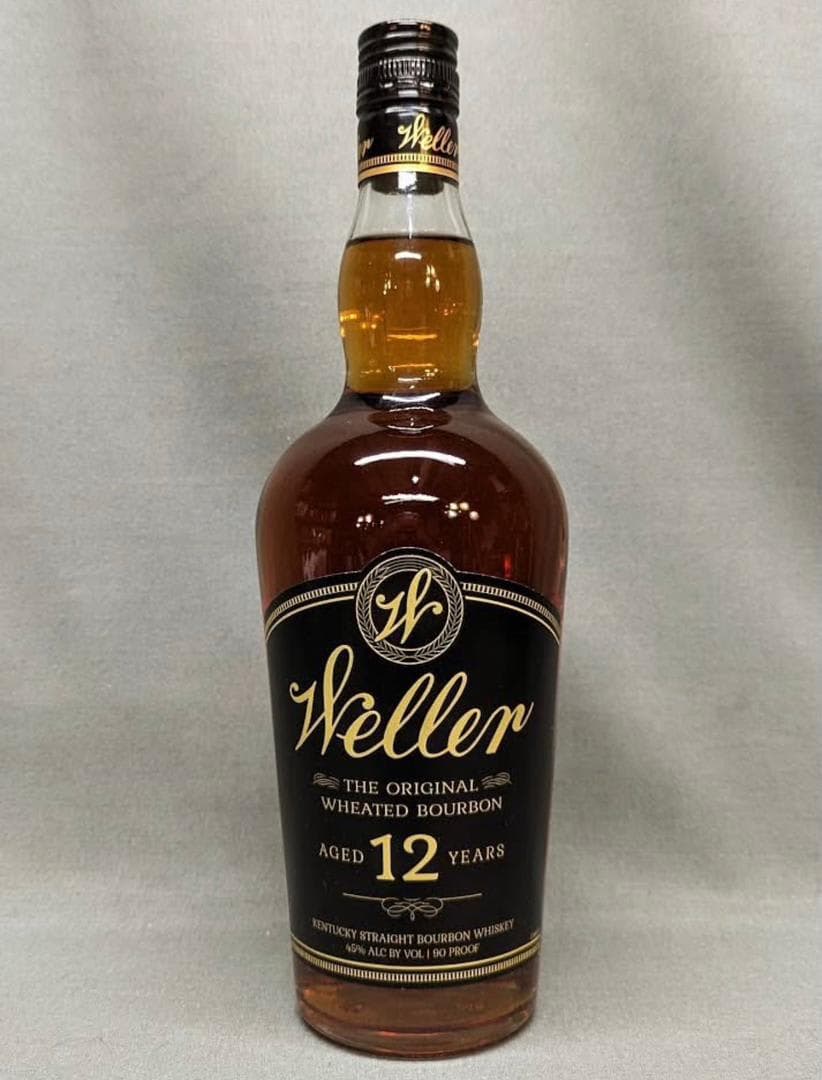
Proof is exactly twice the alcohol by volume: 100 proof is 50 percent. The number matters more than most drinkers assume, because it changes what the whiskey can survive. At 90 proof a bourbon disappears under ice and sugar; at 130 it takes water and keeps its shape. E.H. Taylor Barrel Proof at 131 and Weller 12 Year at 90 are not the same drink in different strengths — they are different tools. There is more on this in the proof guide.
A Label, Read Properly
Work through a bottle in this order and you will know most of what there is to know before you pay.
- Does it say bourbon, or straight bourbon? Straight buys you a two-year floor.
- Is there an age statement? A number is a fact. Its absence is not automatically a warning — barrel proof releases often omit one deliberately.
- What is the proof? That tells you how to serve it.
- Who distilled it, in the small type on the back? Distilled by is the claim that counts.
- Is there a DSP number? That is the physical truth of where it was made.
- Everything else — reserve, small batch, handcrafted — read as packaging, and pay nothing extra for it.
Once the label stops being decorative, buying gets much easier. The ranked buying guide applies this to specific bottles, and everything in the shop lists its real age and proof on the product page rather than making you squint at a photograph.
Tagged
Common Questions
Frequently Asked
- Does small batch mean anything on a bourbon label?
- No. There is no legal maximum number of barrels, so the term has been used for four barrels and for several hundred. It is marketing language, not a production standard.
- What is a DSP number on a whiskey bottle?
- Distilled Spirits Plant — the federal registration of the physical site where the whiskey was made. Each number identifies exactly one facility, so two brands sharing a DSP number were distilled in the same building.
- What is the difference between distilled by and produced by?
- Distilled by means that company ran the still. Produced by is deliberately vague and often means they bought whiskey somebody else distilled. Bottled by says only that they filled the glass.
- Is bourbon without an age statement worse?
- Not necessarily. Straight bourbon under four years old must state its age, so an unstated age means at least four years. Barrel proof releases often omit a number deliberately because barrels are chosen on taste rather than to protect a figure.
- What does bottled in bond guarantee?
- One distillery, one distillation season, at least four years in a federally supervised warehouse, and exactly 100 proof. It is the most demanding label in American whiskey and dates from the Bottled-in-Bond Act of 1897.