Fundamentals
Bourbon Proof, Explained: From 80 to 136 and What Actually Changes
Four legal numbers shape every bottle on the shelf. Here is what proof does to flavour, to price, and to the whiskey while it sits in the barrel.
Eleanor Hayes
Master Distiller, Bourbon & Oak

In the United States, proof is twice the alcohol by volume. A bottle at 45 percent ABV is 90 proof, and a bottle at 68.05 percent is 136.1 proof. That conversion is the whole of the definition, and it is where most explanations stop. The interesting part is that strength is not a single decision made at bottling. It is a chain of four legally fixed numbers, plus a decade of weather, and the figure printed on the label is only the last link.
The Four Numbers That Govern Every Bottle
- 160 proof maximum off the still. Distil bourbon any higher and you strip out the congeners that carry grain character, at which point the law stops calling it bourbon. Most Kentucky houses come off well below the ceiling.
- 125 proof maximum entering the barrel. This is barrel entry proof, and it is the least discussed and most consequential number in American whiskey.
- 80 proof minimum at bottling. Below 40 percent ABV it cannot be sold as bourbon at all.
- 100 proof exactly for bottled in bond. Not a minimum, not a range. A bond label such as E.H. Taylor Small Batch is guaranteed to be 100 proof, at least four years old, and the product of one distilling season at one distillery.
Everything between 80 and the barrel proof ceiling is a commercial choice. Proofing down before bottling stretches a barrel across more bottles, which is why the standard American shelf strength settled at 80 to 90 proof. Every point of strength a distiller gives back to the customer is volume they are not selling.
Why Barrel Entry Proof Matters More Than Bottling Proof
New make spirit comes off the still strong and is cut with water before it goes into the barrel. How far it is cut changes what the wood gives back. Water is the solvent for the sugars, the vanillin and the colour compounds sitting in the toasted layer beneath the char. Ethanol is the better solvent for the wood lipids and the heavier tannins. A barrel filled at 107 proof extracts a sweeter, rounder profile than the same barrel filled at 125.
Filling at the 125 proof ceiling means fewer barrels for the same volume of whiskey, so it is the economically obvious choice and the industry default drifted that way through the second half of the twentieth century. Houses that fill lower are choosing extraction over yield, and it shows up as sweetness rather than strength. None of this appears on a label. It is the clearest example of a decision that shapes a bourbon completely and is never disclosed. The rest of that production chain is laid out in how bourbon is made.
Proof Moves While the Whiskey Sleeps
A barrel is not a sealed vessel. Water and ethanol both leave through the staves, and which one leaves faster depends on where the barrel sits. On hot, dry upper floors of a rickhouse, water evaporates faster than alcohol, so the whiskey inside gains strength over the years. On cool, humid lower floors the balance can reverse and proof falls.
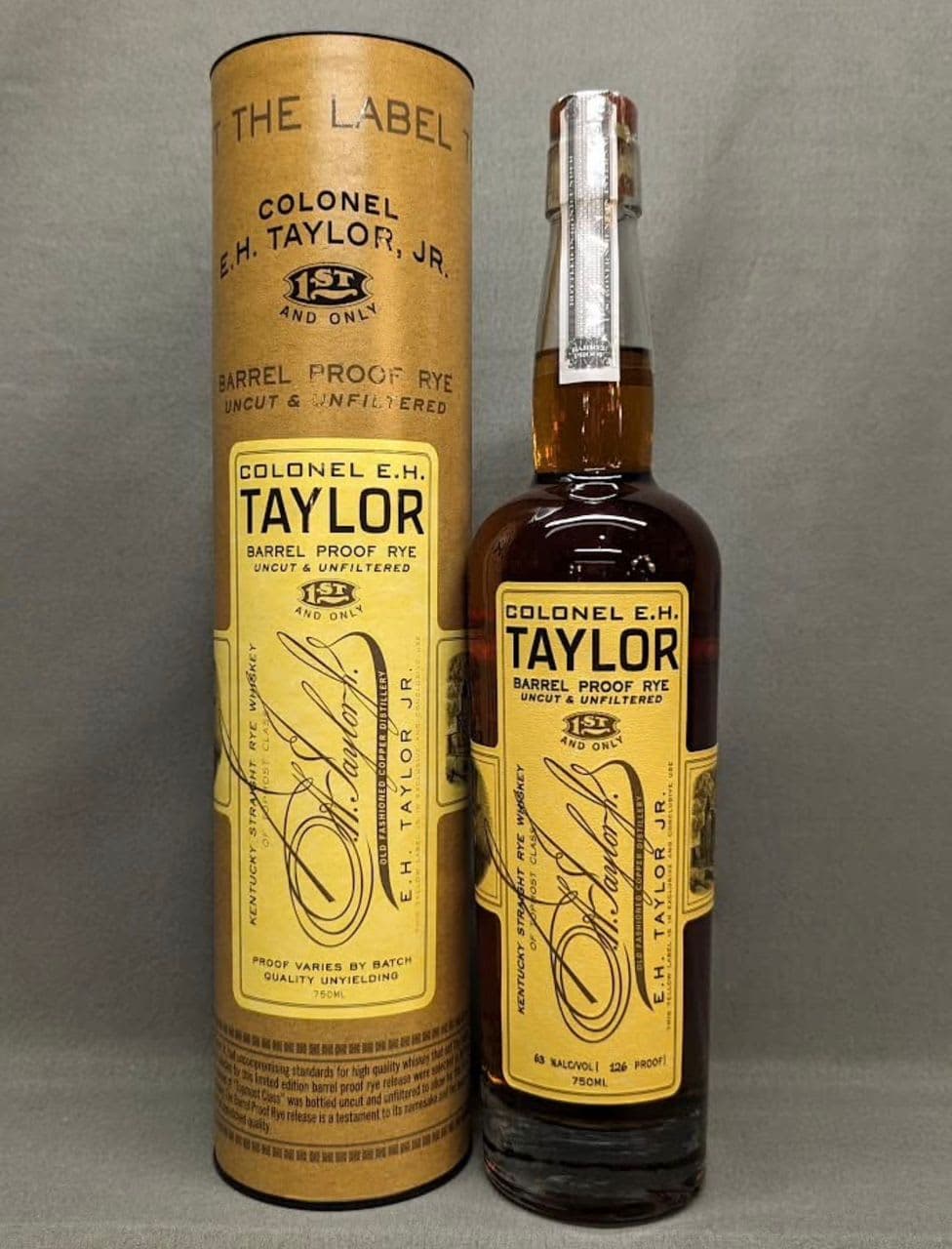
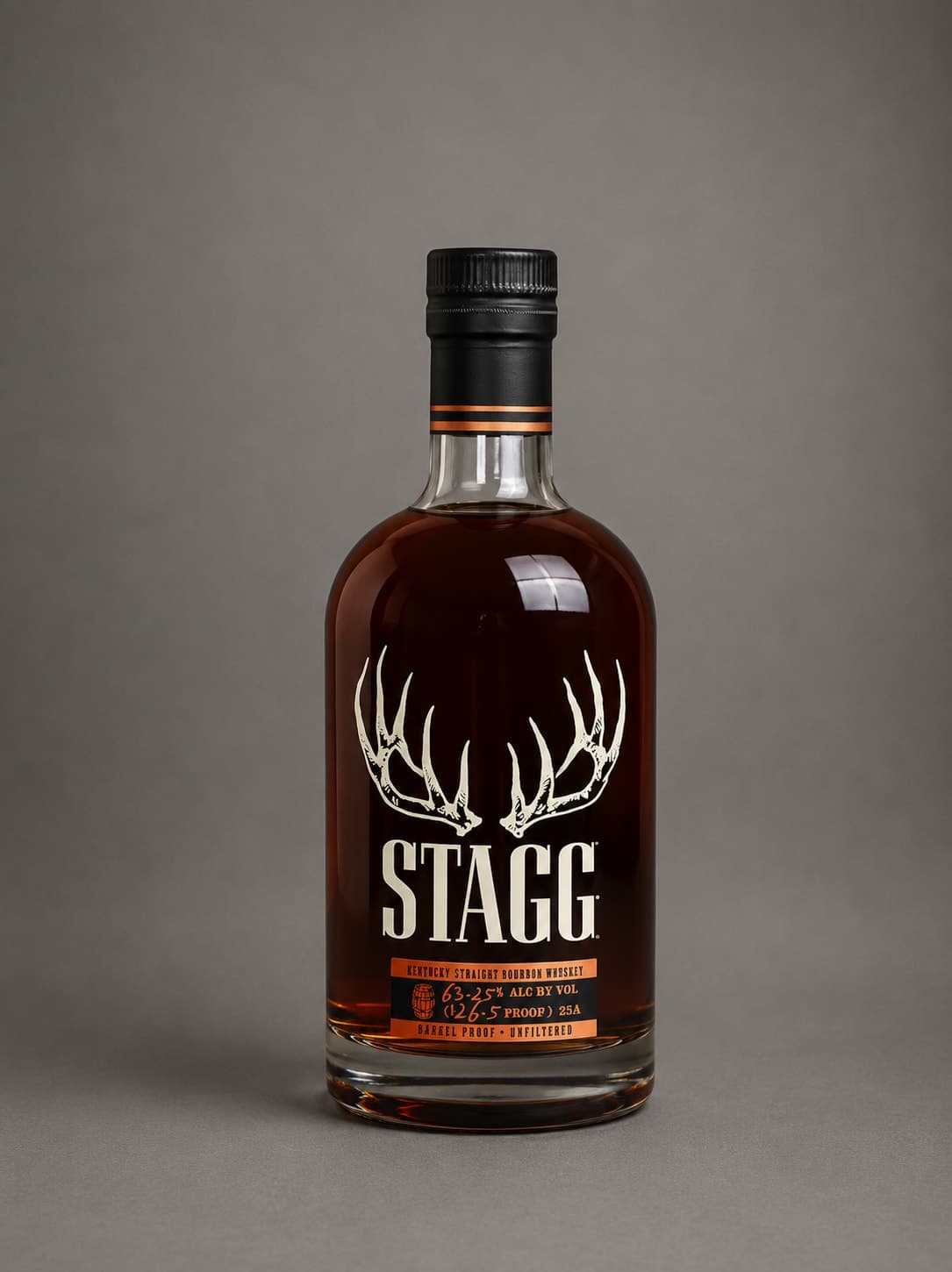
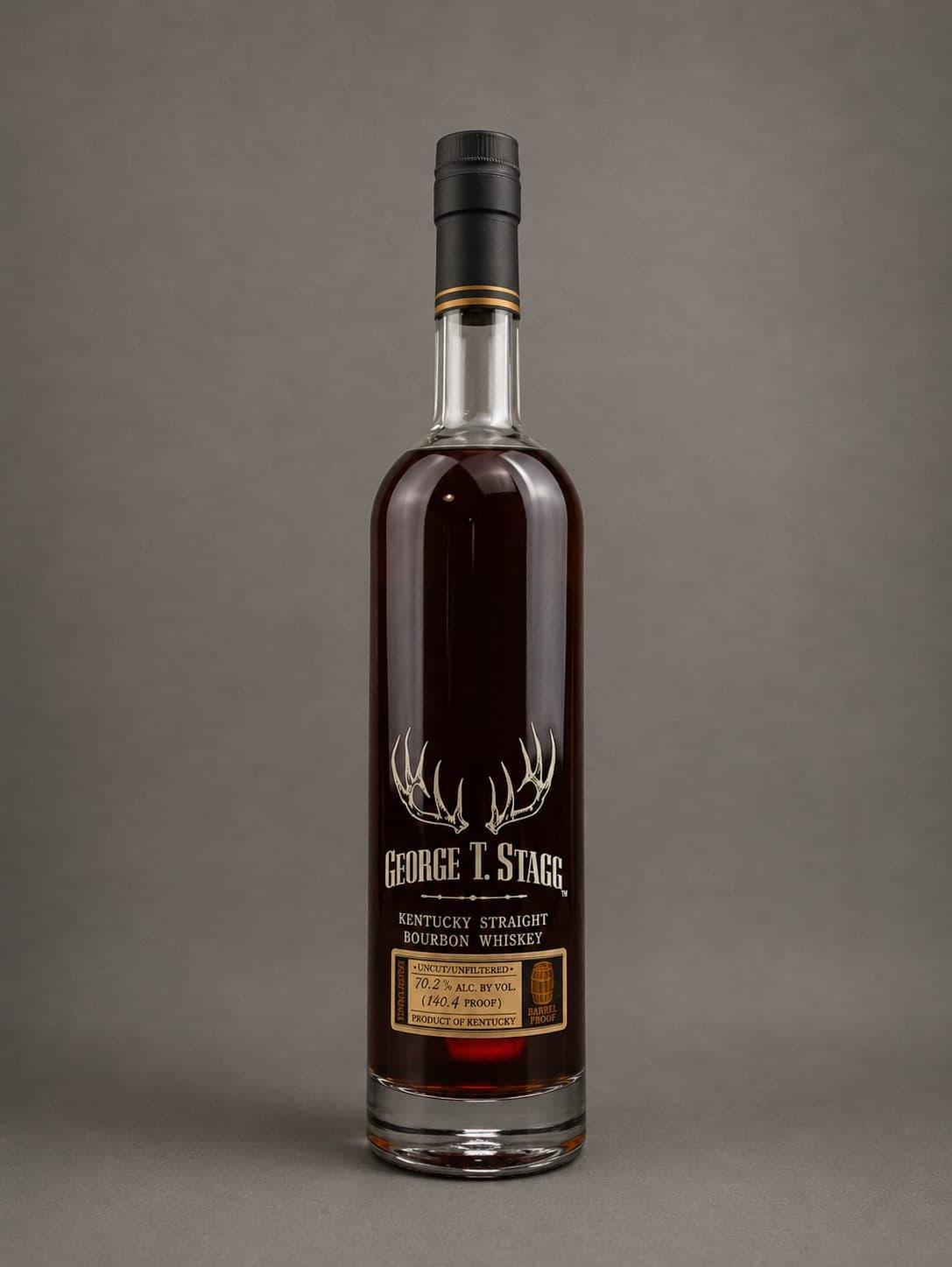
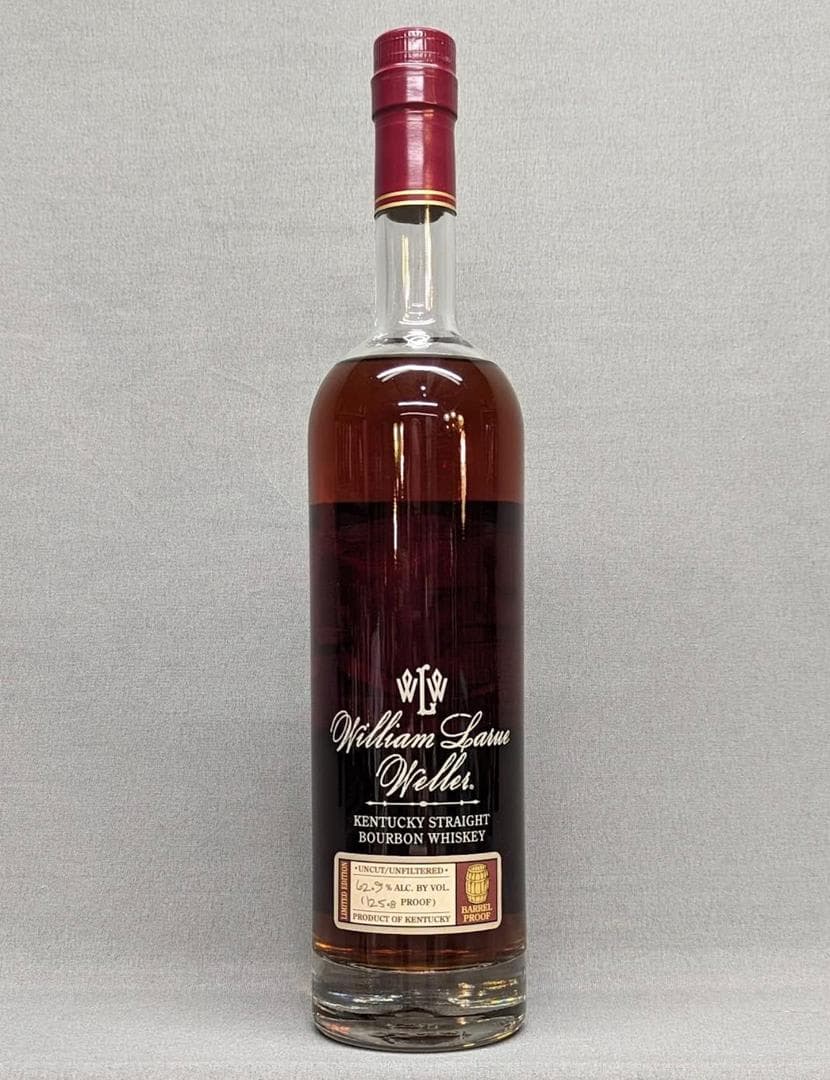
You can read this straight off the shelf. George T. Stagg is bottled at 136.1 proof after fifteen years. It went into that barrel at no more than 125 by law, so it gained at least eleven points of strength purely from Kentucky weather. William Larue Weller at 133.6 proof and E.H. Taylor Barrel Proof at 131 tell the same story. Any uncut bottling above 125 proof is a document of where it aged, which is the same variable driving the barrel selection walk.
What Proof Does to Flavour
Ethanol is the carrier. Aromatic compounds are far more volatile in alcohol than in water, so a higher proof bourbon delivers more aroma to the nose and more flavour compound per millilitre to the tongue. That is the honest case for strength, and it is real. A 90 proof pour and a 130 proof pour of the same distillate are not the same whiskey diluted differently. They are two different intensities of experience.
The dishonest half of the case is that ethanol also triggers the trigeminal nerve, the same pathway that registers chilli heat. Above roughly 55 percent ABV, that burn starts competing with the flavour it is carrying. Many drinkers read the burn as intensity and conclude the whiskey is more complex when what they are actually tasting is anaesthesia. This is why a serious tasting flight holds proof roughly constant, a point covered in the tasting guide.
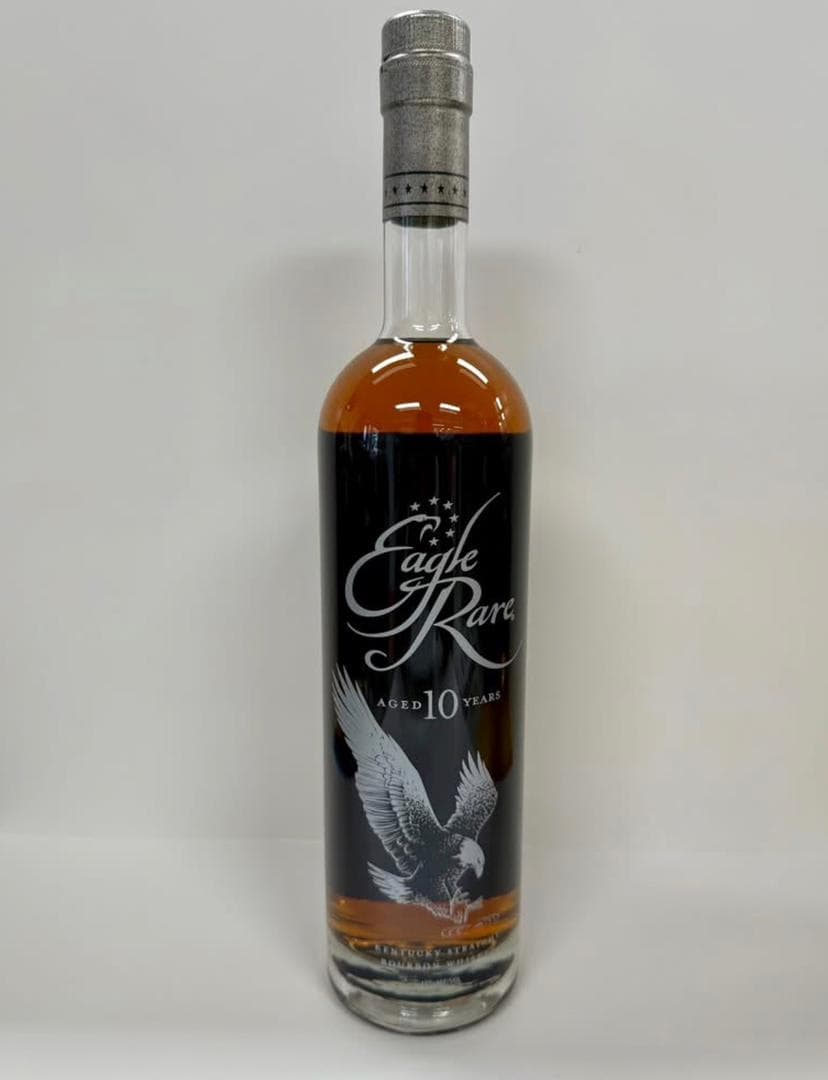
- 80 to 90 proof. The commercial standard. Eagle Rare 10 Year at 90 proof and Weller 12 Year at 90 show how much can still be built at this strength when the age is there.
- 93 to 107 proof. The sweet spot for most palates. Enough carrier for aroma, not enough burn to numb anything. Blanton's Original sits at 93, E.H. Taylor Single Barrel at 100, Old Rip Van Winkle 10 at 107.
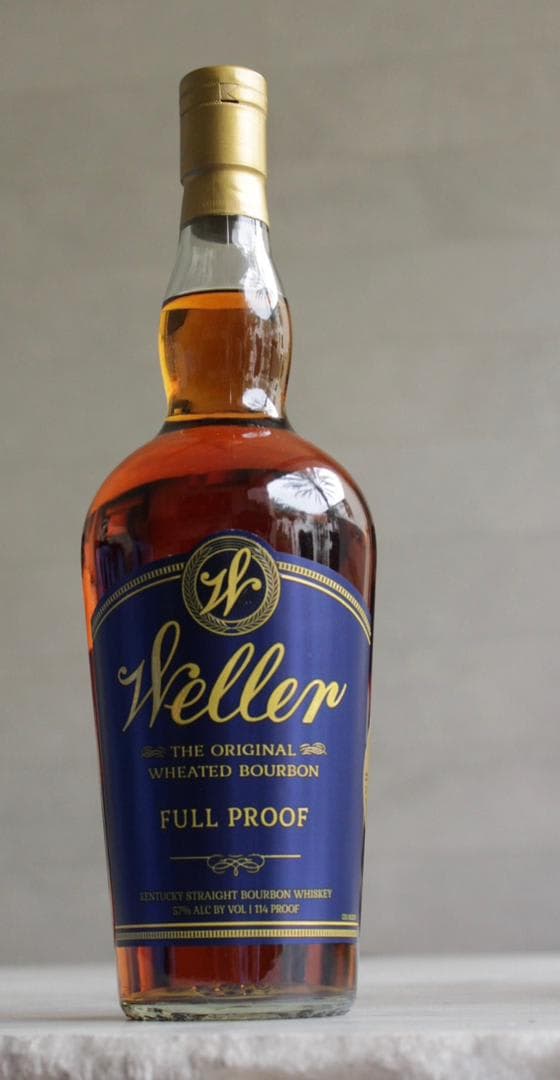
- 114 to 131 proof. Barrel proof territory. Weller Full Proof at 114 and Russell's Reserve 13 Year at 114.8 are the approachable end. Water is optional here.
- Above 130 proof. George T. Stagg at 136.1 and Thomas H. Handy at 130.9. Water is not optional. Neat, these flatten the palate for the rest of the evening.
The Arithmetic for Cutting at Home
Diluting a barrel proof bourbon at the table is not vandalism, it is finishing a job the distiller deliberately left to you. The formula is simple: final volume equals starting volume multiplied by starting proof divided by target proof.
Two ounces of Stagg at 130 proof, plus 0.6 ounces of water, gives 2.6 ounces at 100 proof. Two ounces of George T. Stagg at 136.1, plus roughly 1 ounce, lands just above 90. Use room temperature filtered or distilled water and add it by the drop rather than the splash, tasting as you go. The point at which a whiskey suddenly blooms is usually two or three drops before the point at which it thins out.
Proof, Tax and Price
Federal excise duty on spirits is assessed per proof gallon rather than per bottle, so strength is taxed directly. It is worth knowing and it is not worth much: the duty difference between a 750 ml bottle at 90 proof and one at 130 proof works out to roughly a dollar. When a barrel proof release costs $50 more than its proofed-down sibling, the tax is not the reason. Scarcity, barrel selection and the yield the distillery gave up by not adding water are.
Proof also decides whether a bourbon can skip chill filtration. Fatty acid esters left over from fermentation precipitate out and cloud the whiskey when it gets cold, but only below about 92 proof. Above that the whiskey stays clear on its own, which is why nearly every non-chill-filtered bottle is also a high proof one. Weller Full Proof and Stagg are both non-chill filtered; Eagle Rare 10 at 90 proof is filtered, because otherwise it would haze over ice and get returned.
Where Higher Proof Stops Being Better
Two bottles on our own shelves make the argument better than any theory. Van Winkle Lot B is 90.4 proof and $300. Double Eagle Very Rare is 90 proof and $700. Neither is priced on strength, and Lot B in particular is one of the most complete wheated bourbons made at any proof. Meanwhile a mediocre barrel bottled uncut at 128 proof will still read as impressive to most drinkers for about ninety seconds.
Proof tells you how concentrated a whiskey is. It tells you nothing about whether the thing being concentrated is worth concentrating. Treat it the way you treat an age statement, which is to say as one specification among several rather than a score. The parallel argument about years is in does older bourbon mean better.
How to Buy on Proof
- For everyday drinking, buy between 93 and 107. It is the widest window of enjoyable whiskey per dollar.
- For cocktails, buy bottled in bond at exactly 100 proof and stop thinking about it.
- For value, buy barrel proof and cut it yourself. The arithmetic above is the reason.
- Never buy on proof alone. A 90 proof bourbon with twelve years behind it beats a 120 proof bourbon with four, every time.
The uncut releases discussed here mostly live in the allocated collection, the everyday strengths are in the shop, and the practical questions about how these bottles are released and shipped are answered in the frequently asked questions.
Tagged
Common Questions
Frequently Asked
- What does proof mean on a bourbon bottle?
- In the United States, proof is exactly twice the alcohol by volume. A bourbon at 50 percent ABV is 100 proof. The legal minimum for bourbon is 80 proof and there is no maximum, which is why uncut releases can reach 136.
- What is barrel entry proof and why does it matter?
- It is the strength at which new make spirit enters the barrel, capped by law at 125 proof. Water extracts wood sugars and vanillin while ethanol extracts tannins and lipids, so a barrel filled at 107 produces a sweeter whiskey than the same barrel filled at 125. It is never printed on the label.
- Does bourbon proof go up while it ages?
- Usually, yes. On hot dry upper rickhouse floors water evaporates faster than alcohol, so strength climbs. George T. Stagg enters the barrel at no more than 125 proof and is bottled at 136.1, having gained at least eleven points over fifteen years. Cool humid lower floors can push proof the other way.
- Is higher proof bourbon better?
- More concentrated, not better. Ethanol carries aroma, so strength delivers more flavour per millilitre, but above about 55 percent ABV it also triggers the same nerve pathway as chilli heat and starts masking what it carries. Van Winkle Lot B at 90.4 proof outclasses plenty of bourbon at 120.
- How do you dilute barrel proof bourbon correctly?
- Final volume equals starting volume times starting proof divided by target proof. Two ounces at 130 proof plus 0.6 ounces of water gives 2.6 ounces at 100 proof. Use room temperature filtered water, add it drop by drop, and stop the moment the aroma opens up.