Travel
The Kentucky Bourbon Trail: How to Actually Plan It
Most first-timers book too many distilleries, drive too far between them, and remember none of it. Here is the version that works.
Wyatt Brennan
Head Bartender, The Cellar at Bourbon & Oak

The Kentucky Bourbon Trail is not a road. There is no single route, no numbered highway, and nothing to follow but a list of participating distilleries scattered across a large chunk of central Kentucky. That surprises people, and it is the root of almost every trip that goes wrong: visitors treat it as a linear thing to be completed rather than a region to be sampled.
Having watched a great many people arrive at our gate either delighted or defeated, the difference is almost always planning. Here is what actually works.
Book Two Distilleries a Day. Three at Most.
This is the single most useful thing on this page. Tours run 60 to 90 minutes. Add driving, parking, waiting for your slot and a tasting flight at the end, and each stop realistically consumes two and a half hours. Four stops is a ten hour day in which you will taste roughly twenty whiskeys and remember approximately four.
Palate fatigue is not a figure of speech either. By the third flight your ability to distinguish anything meaningful has collapsed, which is a shame when the bottles in front of you are often the interesting ones. Two stops, properly, beats four in a blur.
Pick a Base and Stay There
The distilleries are spread across roughly a hundred miles between Louisville, Bardstown, Frankfort, Lawrenceburg and Loretto. Trying to see all of it from one hotel means spending the trip in a car.
- Bardstown is the highest-density option. More working distilleries sit within a short drive of the town square than anywhere else on the trail, and you can build a day without ever exceeding fifteen minutes between stops. Our own distillery is here — details on the Bardstown visit page.
- Louisville suits people flying in, wanting restaurants and hotels, and happy to drive out each morning. The city has its own Whiskey Row experiences, and Bardstown is about 45 minutes south. There is a full breakdown on the Louisville day-trip page.
- Lexington works if you are combining bourbon with horse country, but it is the furthest from the densest cluster.
The Passport, and Whether to Care
The official Kentucky Bourbon Trail passport is a small booklet you get stamped at participating distilleries, and collecting enough stamps earns a commemorative item. It is a genuinely fun structure for a trip and a genuinely bad reason to choose where to go.
The trap is obvious once you see it: chasing stamps pushes you toward whichever distilleries are on the list rather than whichever ones you would actually enjoy, and adds mileage to a day that is already too long. Collect stamps at places you were going anyway. Do not build the itinerary around the booklet.
The Designated Driver Problem
Nobody plans for this properly and it is the thing most likely to sour a trip. A tasting flight at a Kentucky distillery is typically four to six pours. Two distilleries is eight to twelve. Kentucky's legal limit is not generous, the roads between distilleries are rural, frequently unlit, and busier with farm traffic than visitors expect.
- Nominate a driver before the first pour, not after the second distillery, and rotate them across a multi-day trip.
- Ask for pour-outs. Every distillery on the trail provides a dump bucket and nobody thinks less of you — tasting is not drinking.
- Take the samples home. Many distilleries will give a driver their flight in sealed sample vials to drink later. Ask when you book.
- Book a tour coach for at least one day. It costs less than the fine and considerably less than the alternative.
When to Go
Spring and autumn are the comfortable answer — mild weather, and rickhouses that are pleasant to walk through. Autumn has the additional draw of being when the annual allocated releases appear.
But if you can only come in high summer, do not treat it as second best. A rickhouse in August is genuinely instructive: the upper floors run brutally hot, the air is thick with evaporating whiskey, and you can hear the barrels working. Standing in that heat teaches you more about why Kentucky makes bourbon this way than any tour narration. If you want the theory first, how bourbon is made covers what that temperature cycling is doing.
What to Buy While You Are Here
Distillery gift shops sometimes carry bottles that are difficult to find elsewhere, and occasionally a store pick bottled exclusively for that site. What they will not have is a guaranteed shelf of allocated releases — those arrive in fixed quantities and go quickly, wherever you are standing.
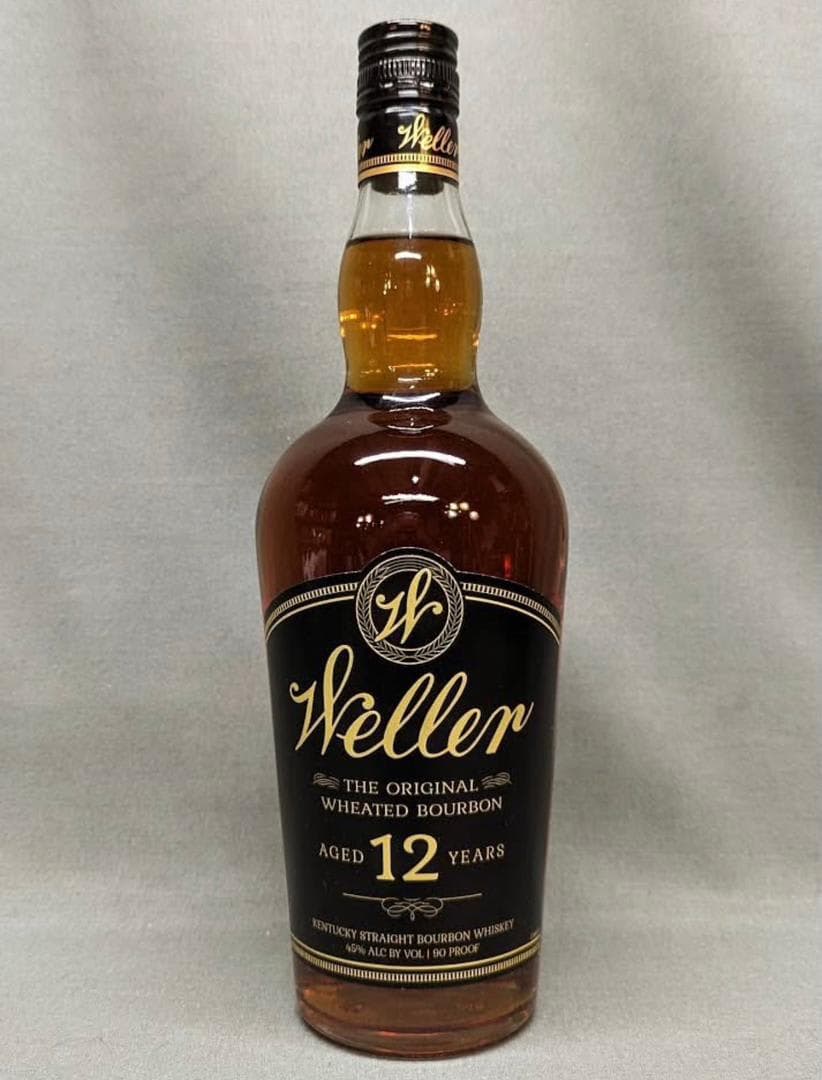
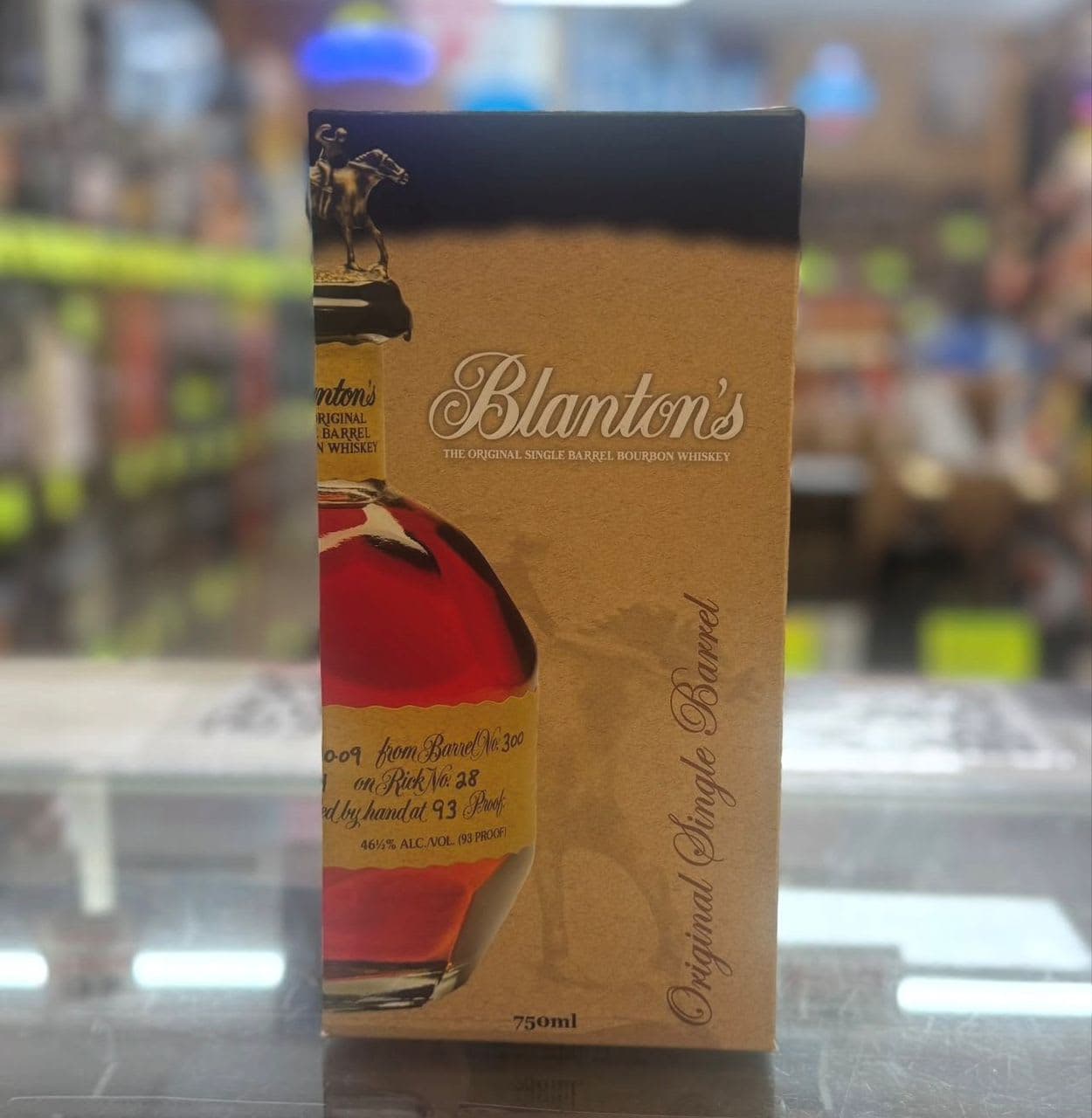
If you are early in your bourbon education, buy by profile rather than by rarity: something wheated like Weller 12 Year alongside something high-rye like Blanton's Original will teach you more than one expensive bottle. The mash bill guide explains why. And check the shipping rules for your state before filling a suitcase — the shipping page lists where direct-to-consumer delivery is permitted.
A Two-Day Itinerary That Works
- Day one, morning: one Bardstown distillery, booked for around 10am while your palate is fresh.
- Day one, afternoon: lunch on the Bardstown square, then a second distillery within fifteen minutes. Finish by four.
- Day one, evening: stay in Bardstown. Walk. Do not drive anywhere.
- Day two, morning: a third distillery, ideally one with a rickhouse walk rather than another tasting room.
- Day two, afternoon: drive back toward Louisville, stopping at Whiskey Row if you have the appetite for it.
Three distilleries across two days sounds modest. It is also the version people describe accurately afterwards. If you want to build us into that plan, tour options and booking are on the tours page, and the Bardstown page covers directions and parking.
Tagged
Common Questions
Frequently Asked
- How many distilleries can you visit in one day on the Bourbon Trail?
- Two comfortably, three at a push. Each stop consumes about two and a half hours once you include driving, parking and a tasting flight, and palate fatigue makes anything past the third largely wasted.
- Where should I stay on the Kentucky Bourbon Trail?
- Bardstown has the highest density of distilleries, so you can build a day without long drives. Louisville suits visitors flying in who want hotels and restaurants, with Bardstown about 45 minutes south.
- Is the Kentucky Bourbon Trail passport worth it?
- It is a fun structure but a poor planning tool. Chasing stamps pushes you toward distilleries because they are on the list rather than because you would enjoy them. Collect stamps where you were going anyway.
- How much does the Kentucky Bourbon Trail cost?
- Standard tours run roughly $20 to $35 per person, with specialist tastings and barrel picks well above that. Two stops plus lunch is realistically $100 to $150 a head before you buy any bottles.
- What is the best time of year to do the Bourbon Trail?
- Spring and autumn are most comfortable, and autumn coincides with the annual allocated releases. Summer is hot but a rickhouse in August teaches you more about bourbon maturation than any tour narration.