Fundamentals
How Bourbon Is Made, Step by Step
From a truckload of corn to a bottle on your shelf - the seven stages, and the two that decide almost everything you taste.
Eleanor Hayes
Master Distiller, Bourbon & Oak

Bourbon is made from three ingredients - grain, water and yeast - and one enormously expensive piece of equipment that most people never think about: a brand new charred oak barrel that can only be used once. Everything below happens in service of getting spirit into that barrel in the right condition, and then leaving it alone for long enough.
There are seven stages. Two of them account for the overwhelming majority of what you eventually taste, and they are not the ones people expect.
1. The Mash Bill
The recipe. Federal law requires at least 51 percent corn; the rest is the distiller's decision. Corn brings sweetness and body. The secondary grain - winter wheat or rye - sets the character, and a small proportion of malted barley, usually around 5 percent, supplies the enzymes that will convert starch into fermentable sugar.
This single choice separates a soft, honeyed wheated bourbon from a peppery high-rye one, and it matters more to whether you will enjoy a bottle than age or price does. We go deeper on that in the mash bill guide.
2. Milling and Cooking
The grain is milled to a coarse flour and cooked with water in stages, because the three grains gelatinise at different temperatures. Corn goes in hottest, at around 100 degrees Celsius, to burst the starch granules. The mash is cooled, rye or wheat is added in the middle range, and the malted barley goes in last and coolest - above roughly 65 degrees the barley enzymes denature and the whole batch is ruined.
The water matters here, and it is the reason Kentucky became the centre of the industry. The state sits on a limestone shelf that filters out iron - which would turn whiskey black and taste metallic - while leaving calcium and magnesium behind, both of which yeast are happy to work in.
3. Fermentation, and the Sour Mash Trick
The cooled mash goes into a fermenter, yeast is pitched, and over three to five days it converts the sugar into alcohol and a great deal of flavour. What comes out is called distiller's beer, sitting somewhere around 8 to 10 percent alcohol - and it genuinely does taste like a sour, grainy beer.
Almost every Kentucky distillery uses the sour mash process, which is far less exotic than it sounds. A portion of the acidic spent mash from the previous distillation, known as setback or backset, is added to the new batch. Lowering the pH does two things: it suppresses bacteria that would otherwise spoil the ferment, and it keeps conditions consistent batch after batch. Sour mash is a consistency technique, not a flavour claim - which is why it appears on so many labels and tells you almost nothing.
4. Distillation, Twice
The beer runs into a tall column still, where steam strips the alcohol upward through a series of plates. What emerges is low wine, typically around 125 proof. It then passes through a doubler or a thumper - a second, smaller pot-style still that cleans it up and concentrates it further.
Bourbon may not be distilled above 160 proof, and that ceiling is deliberate. The higher you distil, the more congeners you strip out, and congeners are flavour. Distil to 190 and you have neutral spirit; vodka is defined by its absence of character. The finished clear spirit is called white dog or new make, and tasting it neat is worth doing once - it is sweet, hot and unmistakably corn, with none of the colour, vanilla or spice you associate with the finished product. All of that is still to come from the wood.
5. The Barrel - Where Most of the Flavour Comes From
This is the first of the two stages that really matter. The white dog is cut with water to no more than 125 proof and filled into a new barrel of charred American white oak. New is the costly word: scotch, rum and tequila producers may reuse casks for decades, but every drop of bourbon requires a fresh one. Those used bourbon barrels are then sold on, which is why so much of the world's whisky ages in ex-bourbon wood.
Before filling, the barrel interior is toasted and then charred with open flame, graded from level one to level four. A level four - alligator char, so named because the carbonised surface cracks into a scaled pattern - caramelises the wood sugars most aggressively and pushes the whiskey darker and sweeter. Lower char levels leave more delicate, fruit-forward spirit. Neither is better; both are choices.
The char layer is what supplies vanillin, oak lactones and tannins - vanilla, caramel, coconut, baking spice, toasted nut - and it also acts as a filter, stripping sulphur compounds out of the young spirit over time.
6. The Rickhouse - Where Time Does the Work
The second stage that decides everything. Barrels are stacked on wooden ricks in warehouses that are deliberately not climate controlled, because the whole process depends on Kentucky's violent temperature swings. When the weather warms, the liquid expands into the char layer and extracts colour and flavour. When it cools, the wood contracts and pushes it back out. Bourbon breathes in and out of the wood, thousands of times, for years.
Position in the rickhouse therefore matters as much as duration. Upper floors run hot and cycle hard, producing bolder, more oak-driven whiskey faster. Lower floors are cooler and steadier, giving gentler, more delicate spirit over a longer stretch. Two barrels filled on the same day from the same batch, one on the top floor and one on the ground, will taste like different whiskeys after a decade - which is the entire premise behind single barrel selection.
Some of it simply leaves. Evaporation through the porous oak claims roughly 2 to 4 percent of each barrel per year - the angels share. Over fifteen years that can be half the barrel gone, and it is the honest reason very old bourbon costs what it does. There is a great deal less of it than there was.
7. Dumping, Proofing and Bottling
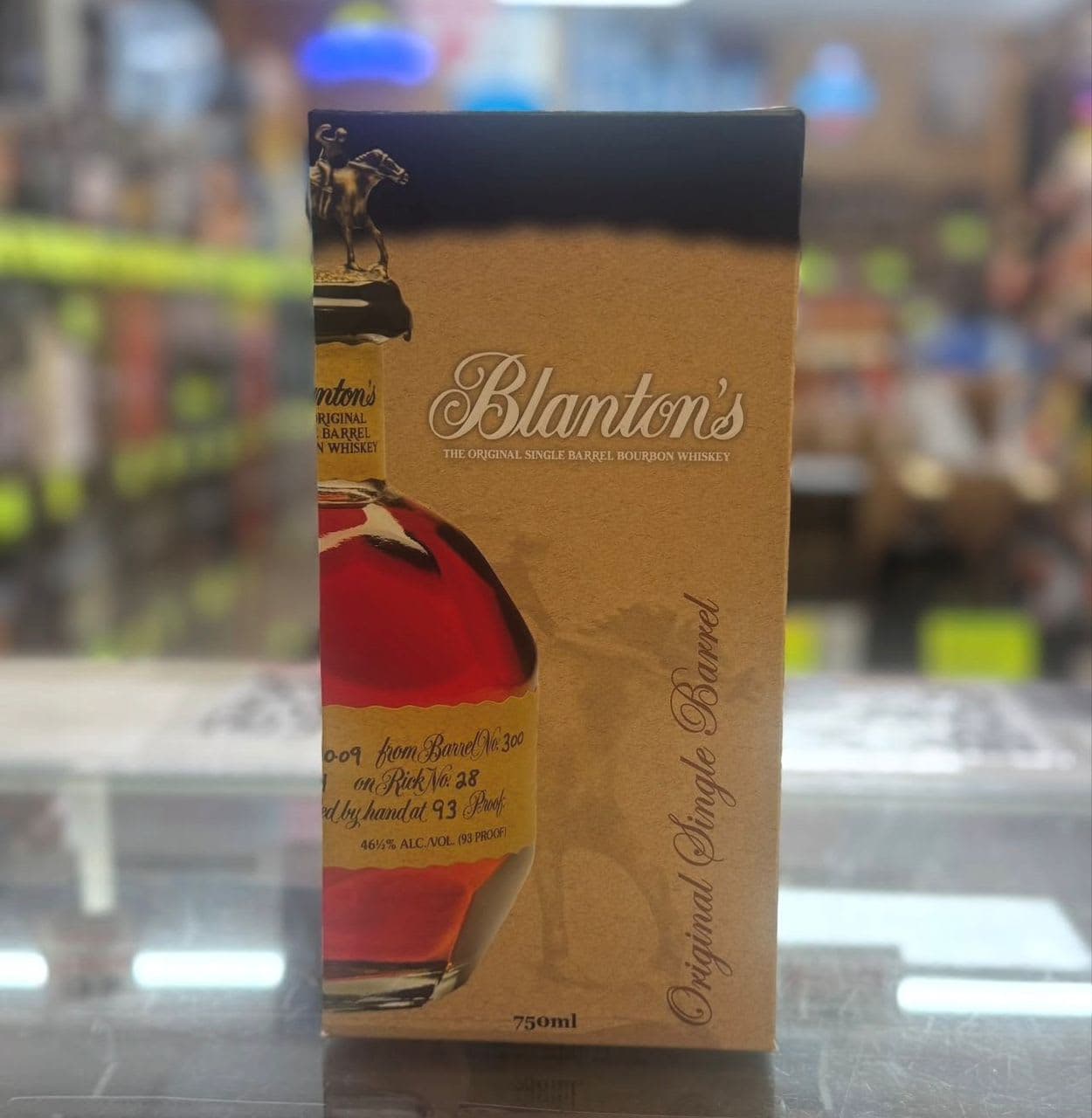
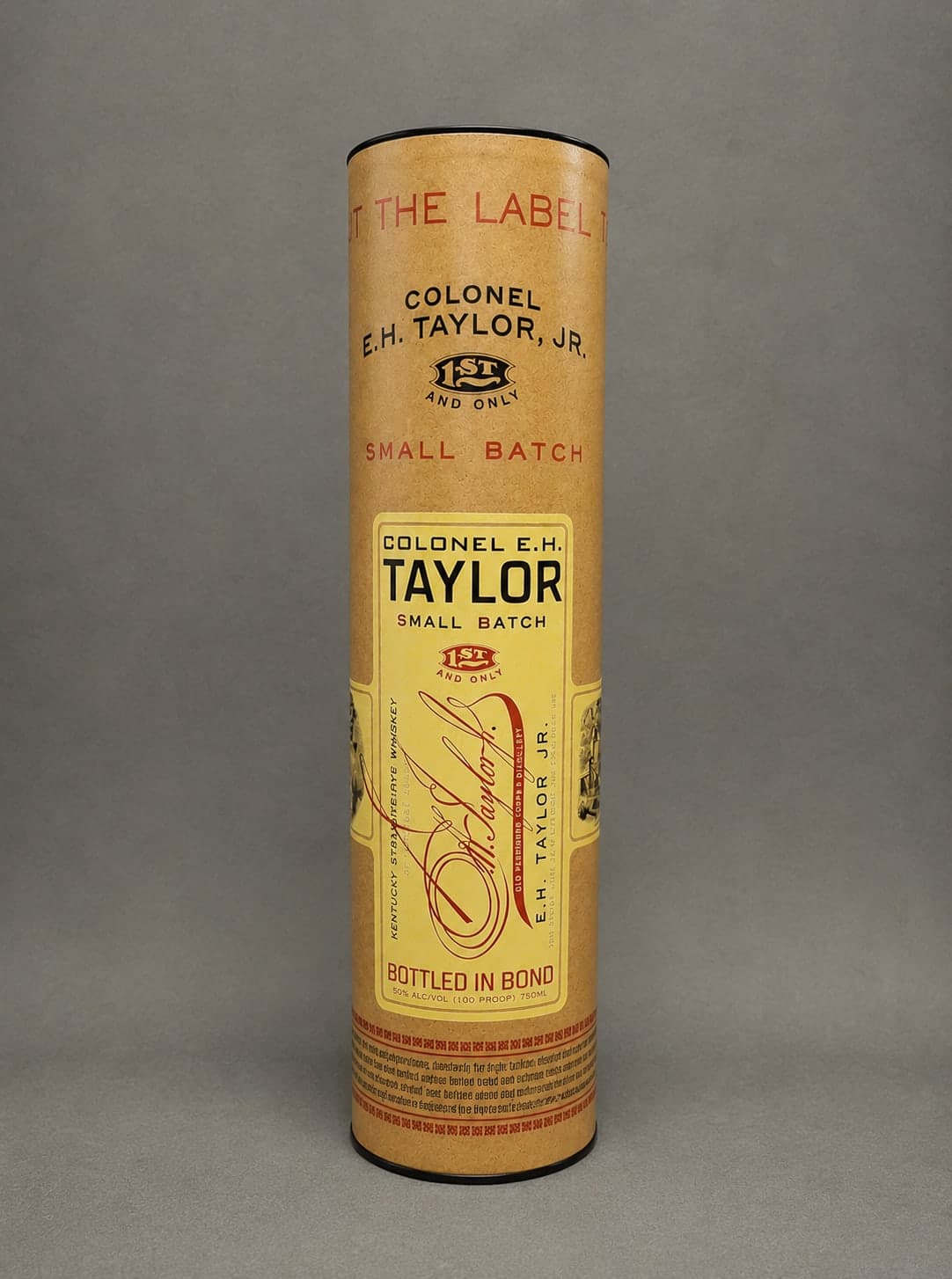
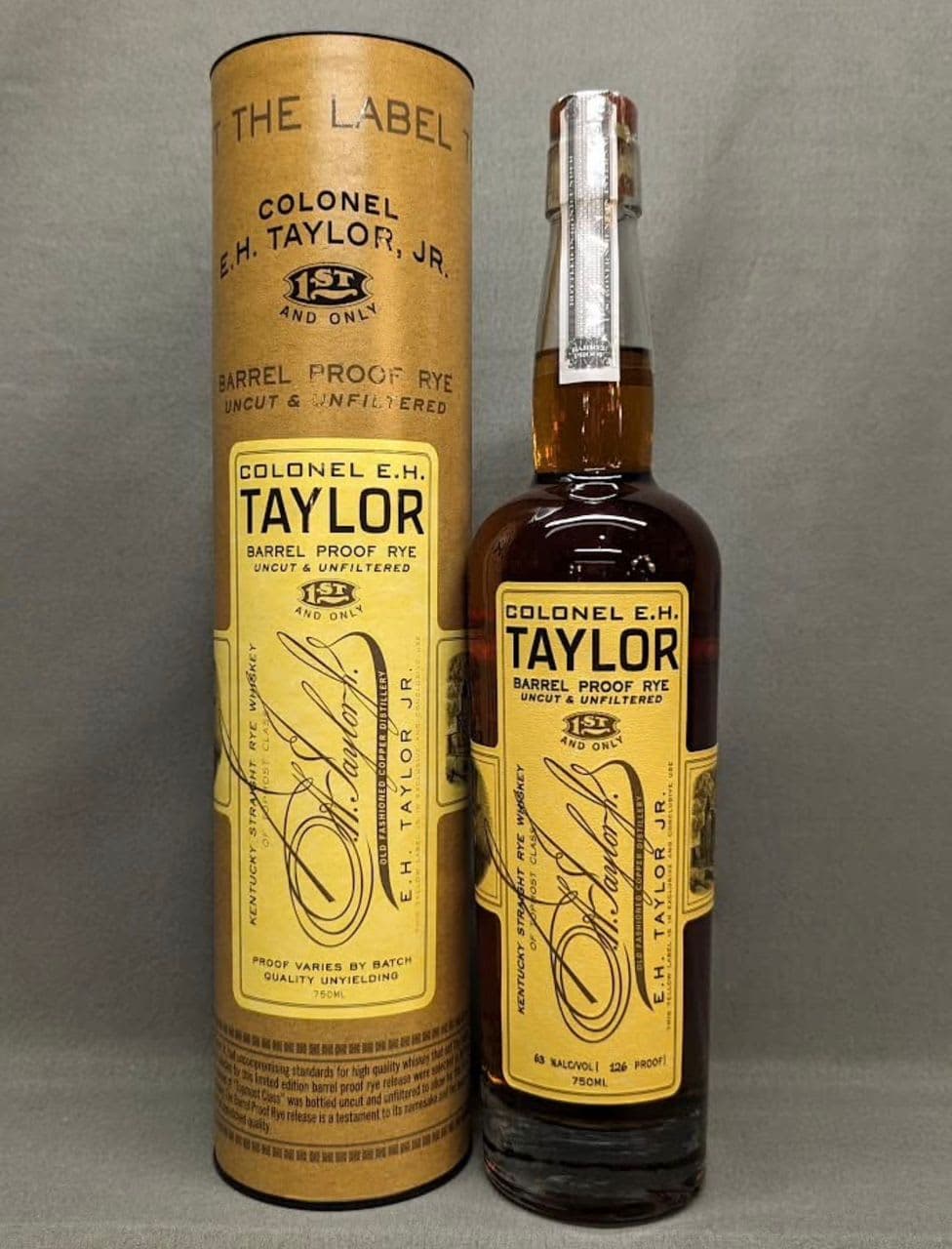
When the whiskey is ready, barrels are emptied - dumped - and either bottled individually as a single barrel, like Blanton's Original, or married together in a small batch to hit a consistent house profile, as with E.H. Taylor Small Batch. It is then usually cut with water to bottling strength, unless it is going out at full barrel proof as E.H. Taylor Barrel Proof does.
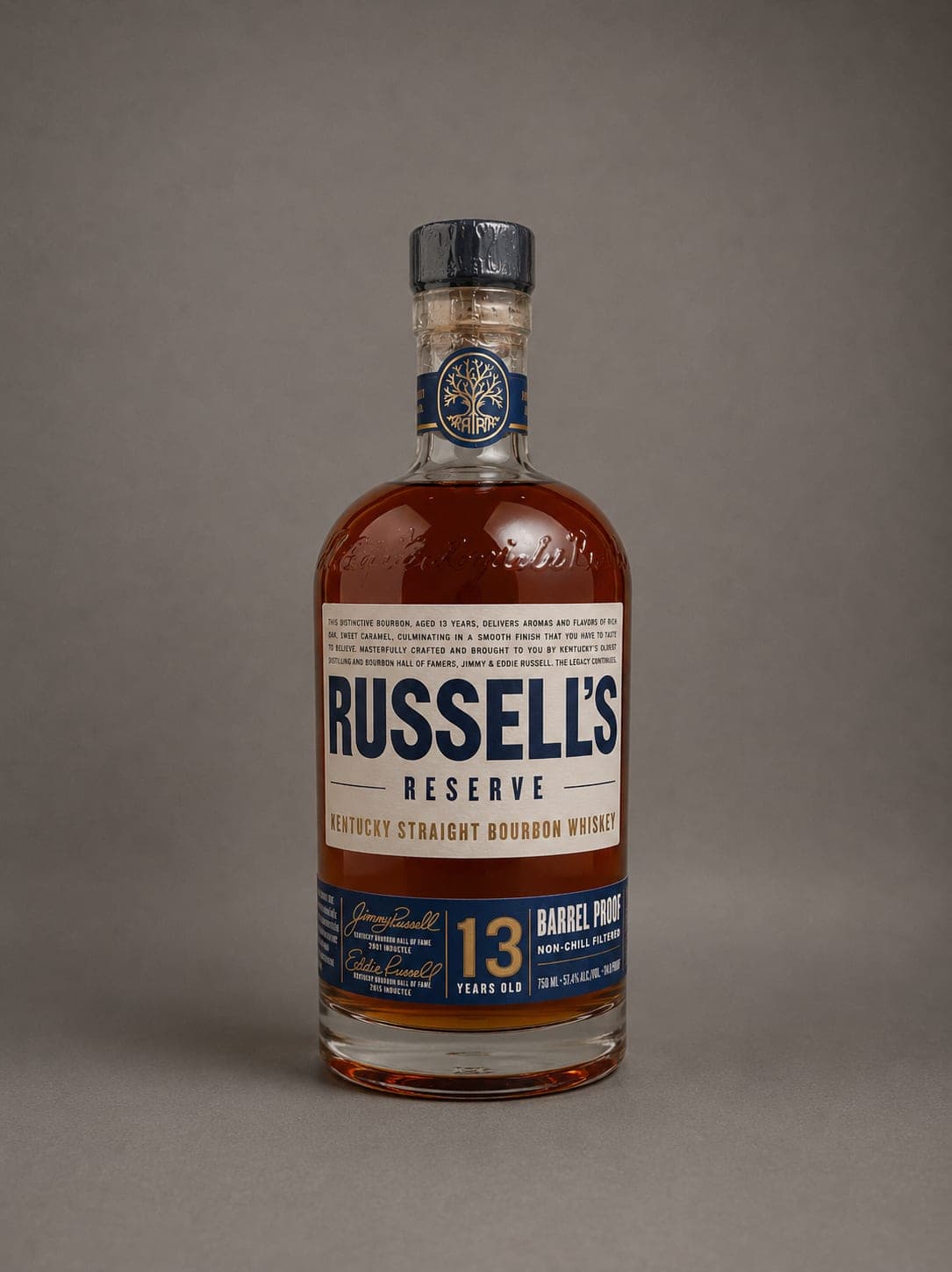
Most bourbon is chill filtered, chilled to near freezing so fatty acids precipitate out and are strained away, which stops the whiskey turning cloudy over ice. It also removes a little texture and flavour, which is why bottles like Russell's Reserve 13 Year make a point of being non-chill filtered.
Seeing It For Yourself
Reading about temperature cycling is one thing; standing on the fifth floor of a rickhouse in August, where the air is thick with evaporating whiskey and the barrels are audibly working, explains it in about four seconds. Our distillery tour walks the mash floor, the still house and Rickhouse No. 7, and finishes with a tasting of the same spirit at different ages.
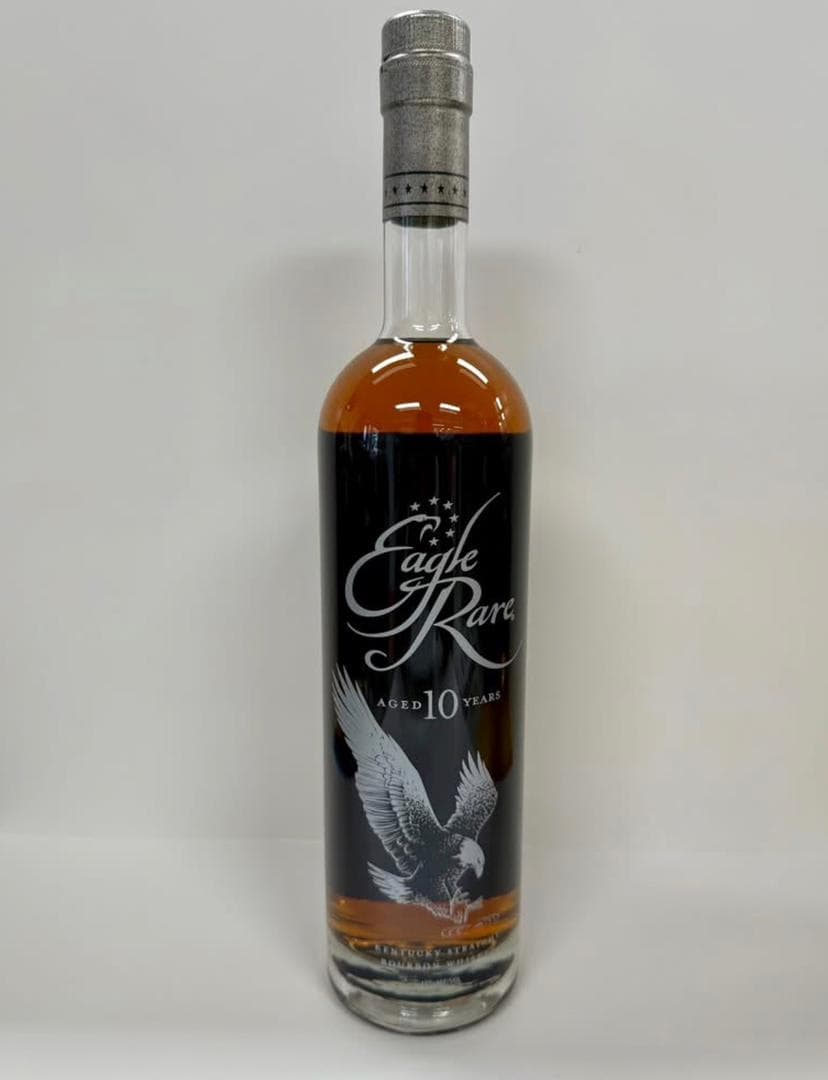
If you would rather start with the legal definitions, what actually makes a bourbon covers the six rules. To put the process to work in a glass, read how to taste bourbon, or start with something like Eagle Rare 10 Year from the shop and taste a decade of rickhouse weather for yourself.
Tagged
Common Questions
Frequently Asked
- How is bourbon made?
- Grain is milled and cooked to convert starch to sugar, fermented with yeast for three to five days, distilled twice to no more than 160 proof, filled into a new charred oak barrel at no more than 125 proof, matured for years in an uncontrolled warehouse, then dumped, proofed with water and bottled.
- What is the sour mash process?
- Adding a portion of acidic spent mash from the previous distillation into the new batch. Lowering the pH suppresses spoilage bacteria and keeps fermentation consistent. It is a consistency technique rather than a flavour claim.
- Why must bourbon use new charred oak barrels?
- It is written into the legal definition. The char layer supplies vanillin, oak lactones and tannins, and filters sulphur compounds from the young spirit. A used barrel has already given up most of that, which is why bourbon develops so much character in a decade.
- What is the angels share?
- The whiskey lost to evaporation through the porous oak, roughly 2 to 4 percent of each barrel per year. Over fifteen years it can claim close to half the barrel, which is the real reason very old bourbon is expensive.
- What is white dog?
- The clear, unaged spirit as it comes off the still, also called new make. It is sweet, hot and distinctly corn-forward. All of bourbon's colour, vanilla and spice comes later, from the barrel.