Buying Guide
Single Barrel vs Small Batch: Which Should You Buy?
One is a legally meaningless phrase. The other is a verifiable claim printed on the bottle. That asymmetry is the whole answer.
Eleanor Hayes
Master Distiller, Bourbon & Oak

These two phrases sit side by side on the same shelf, in the same typeface, at similar prices, and they are not the same kind of statement. One describes a verifiable fact about a specific cask. The other is a phrase with no legal definition whatsoever. Knowing which is which changes how you read a whole shelf.
Single Barrel: One Cask, Bottled Alone
A single barrel release is exactly what it says. One cask is selected, emptied, and bottled on its own without being married to anything else. It typically yields somewhere between 150 and 250 bottles depending on age and how much the angels took, and when those are gone that expression of that whiskey no longer exists.
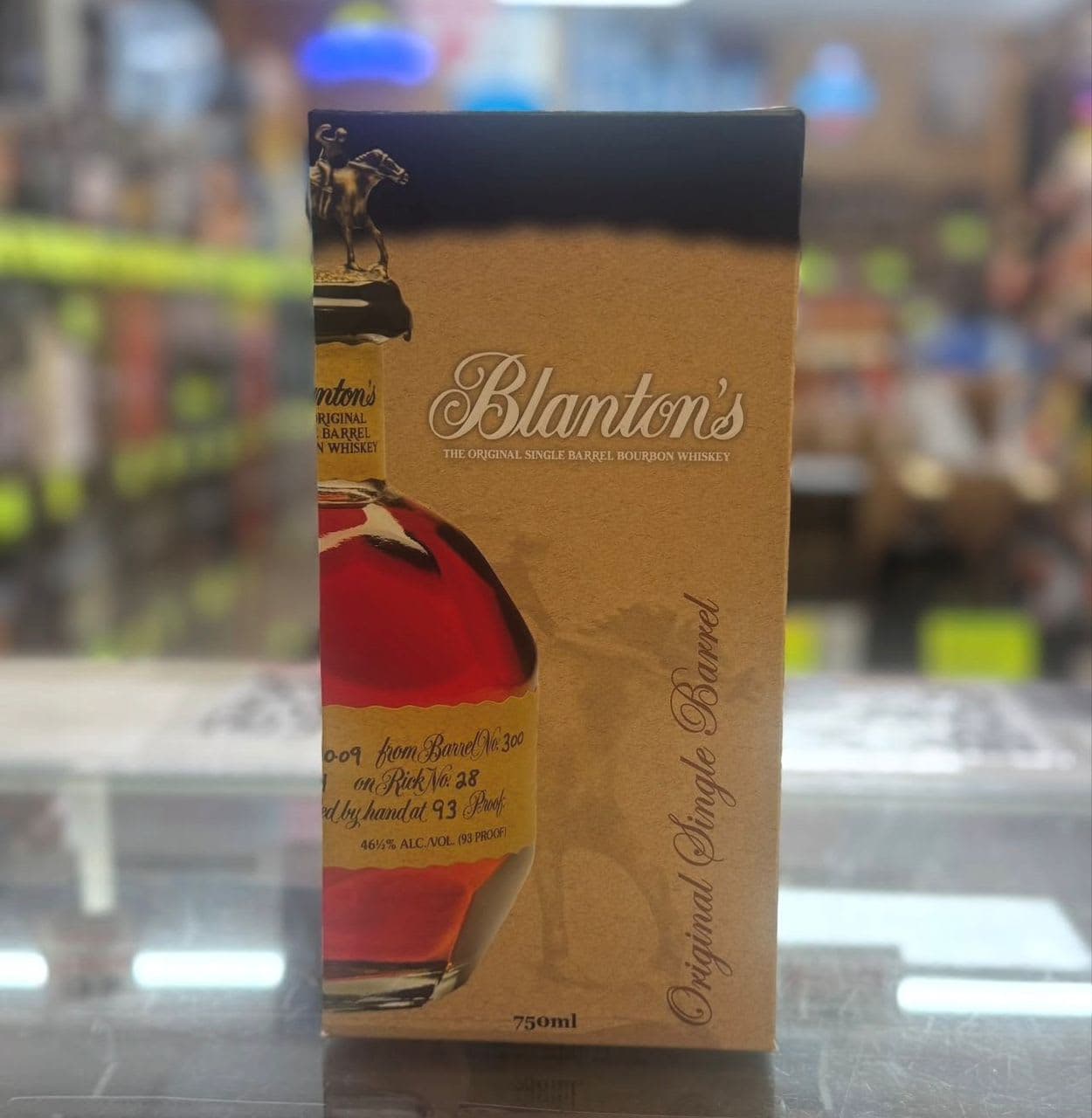
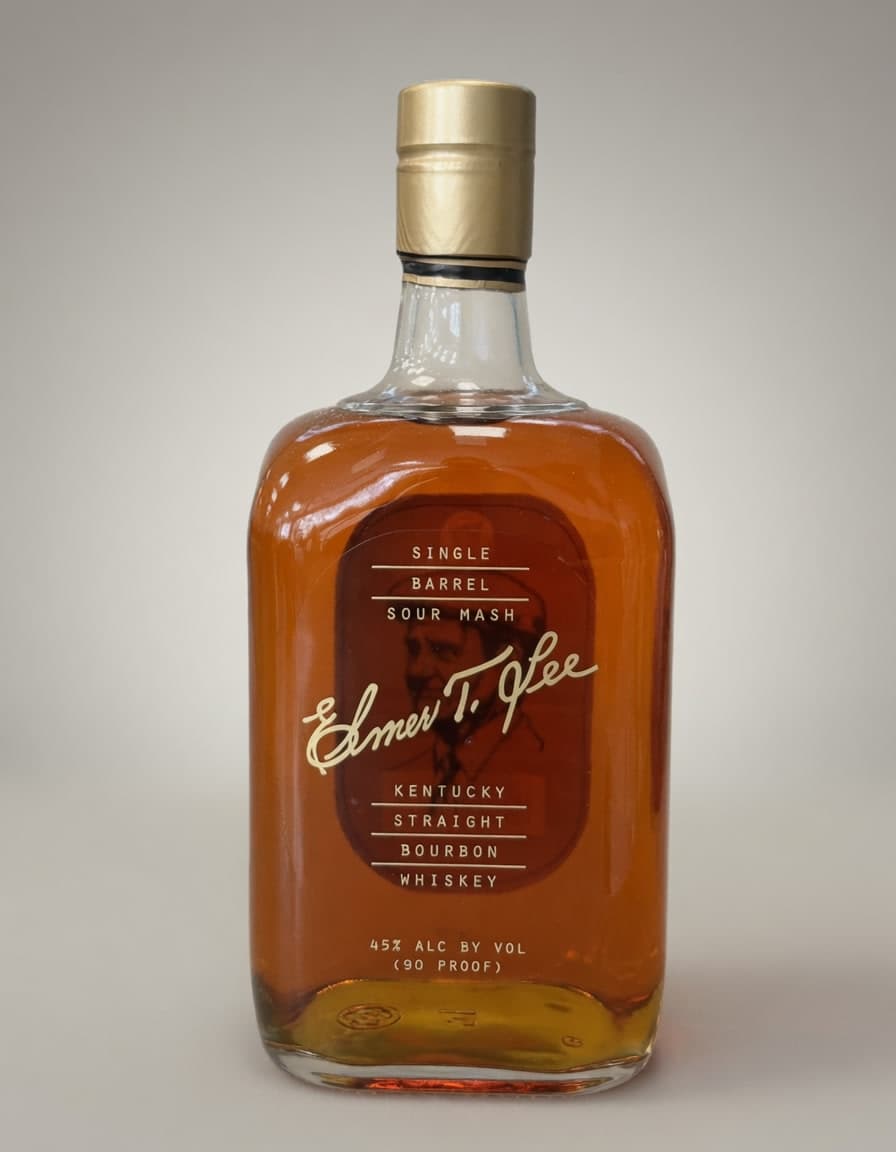
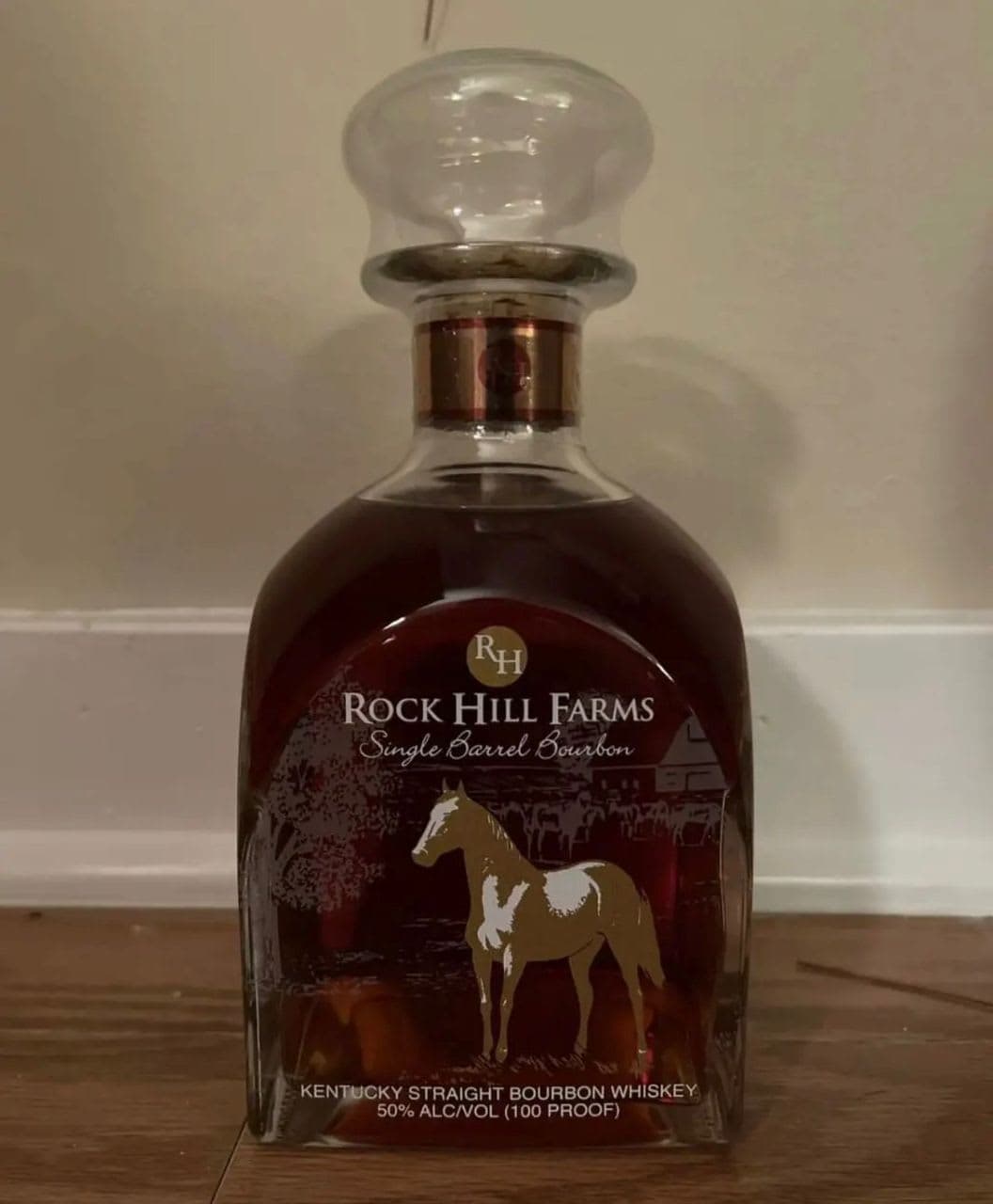
Because the claim is checkable, honest producers make it checkable. Blanton's Original prints the barrel number, the warehouse and the rick position on the label, along with the dump date. Elmer T. Lee and Rock Hill Farms do the same. If a bottle claims single barrel and gives you no barrel to point at, treat the claim with suspicion.
The consequence is variation, and it is the point rather than a defect. Two bottles of the same single barrel expression bought a year apart will not taste identical, because they came from different casks that sat in different parts of the warehouse. We walk through how that selection actually happens in the barrel selection guide.
Small Batch: A Number Nobody Defined
There is no federal definition of small batch. None. No maximum barrel count, no ceiling on bottles produced, no requirement to disclose anything. The term was popularised in the 1980s to distinguish carefully-married whiskey from mass production, and it worked so well as marketing that it now appears on bottles produced by the hundreds of thousands.
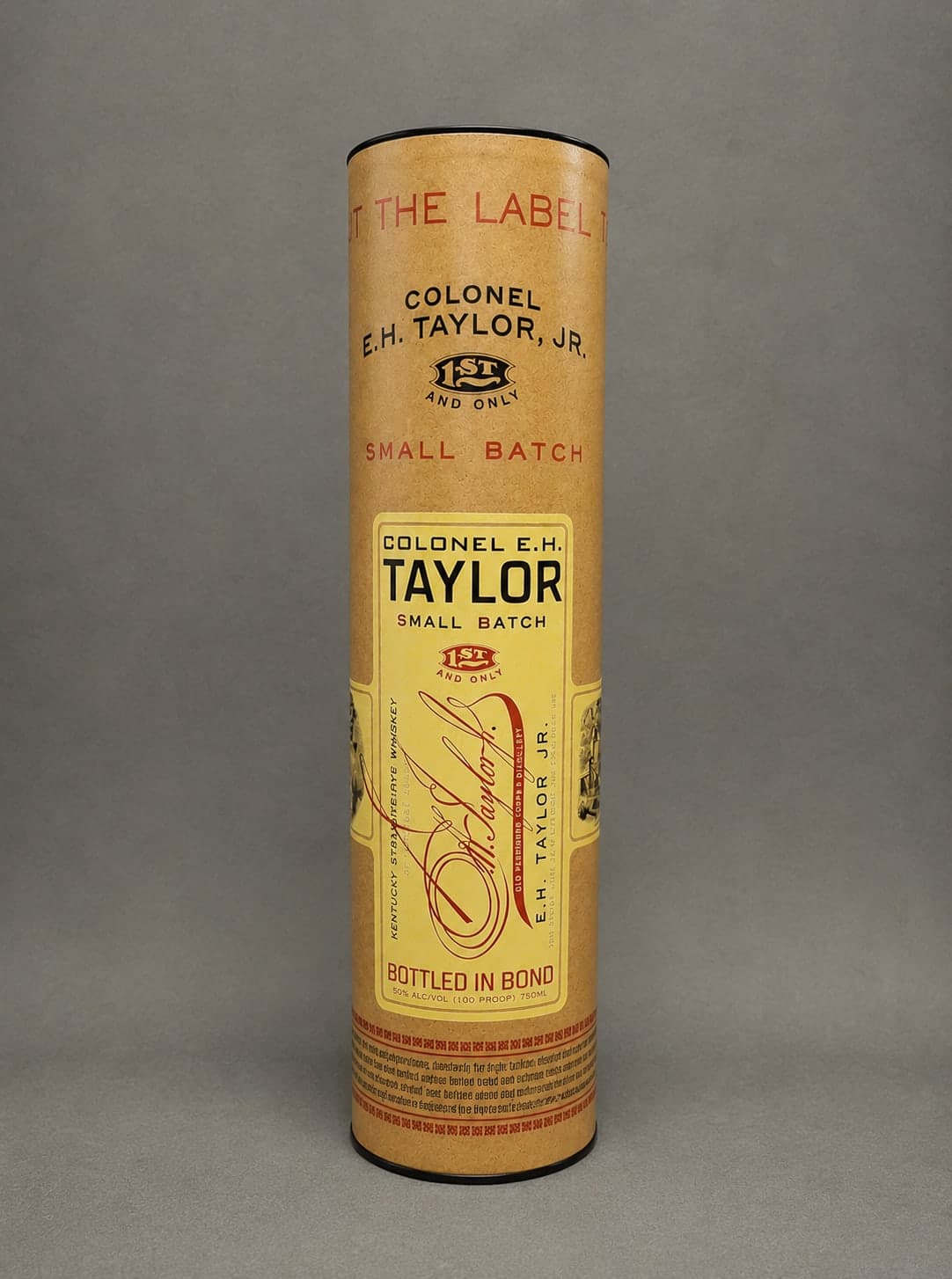
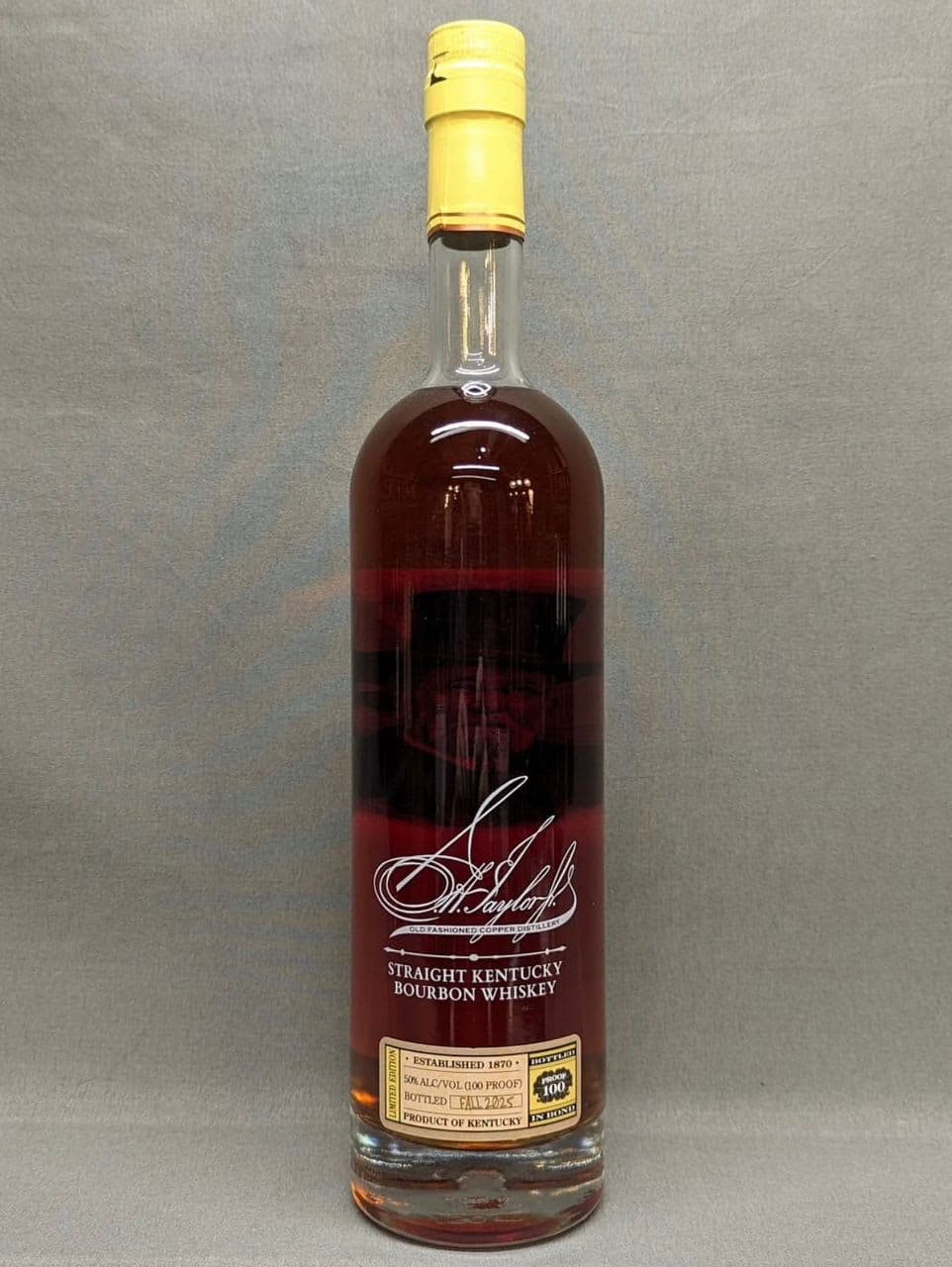
That does not make small batch whiskey bad. E.H. Taylor Small Batch is excellent, and its bonded status is a real guarantee sitting alongside a meaningless one. What it means is that the phrase itself carries no information: you have to judge the bottle on its age, proof, distillery and price, exactly as you would if the words were not there.
Which One Should You Buy?
It depends entirely on what you want the bottle to do.
- Want the same drink every time — a house pour, a cocktail base, a bottle you replace without thinking? Batched whiskey is designed for exactly that. Consistency is the product.
- Want to taste a specific place and moment in a warehouse, and accept that the next bottle will differ? Single barrel. The variation is what you are buying.
- Buying a gift for someone who likes provenance? Single barrel, every time — a printed barrel number and warehouse position is a far better story than an adjective.
- Building a shelf on a budget? Ignore both terms and buy on age, proof and distillery. They will tell you more than either phrase.
The Store Pick, and Why It Matters
There is a third category worth knowing. A store pick, private selection or barrel pick is a single barrel chosen by a specific retailer or bar, usually from a lineup the distillery offers for tasting. The selector tastes several candidate casks and takes the one they like.
The quality of a store pick is the quality of the palate that picked it, which is why the same expression can be outstanding from one shop and ordinary from another. It is also the closest most people get to the barrel-selection process itself — we run it on our own distillery tour, where the private barrel pick takes most of a day.
Reading the Shelf Properly
Neither phrase belongs at the top of your decision. Grain comes first — wheated or high-rye decides more about whether you will enjoy a bottle than anything else on the label. Then proof, then age, then price. Single barrel versus small batch is a question about consistency, not quality, and it belongs near the end of the list rather than the start.
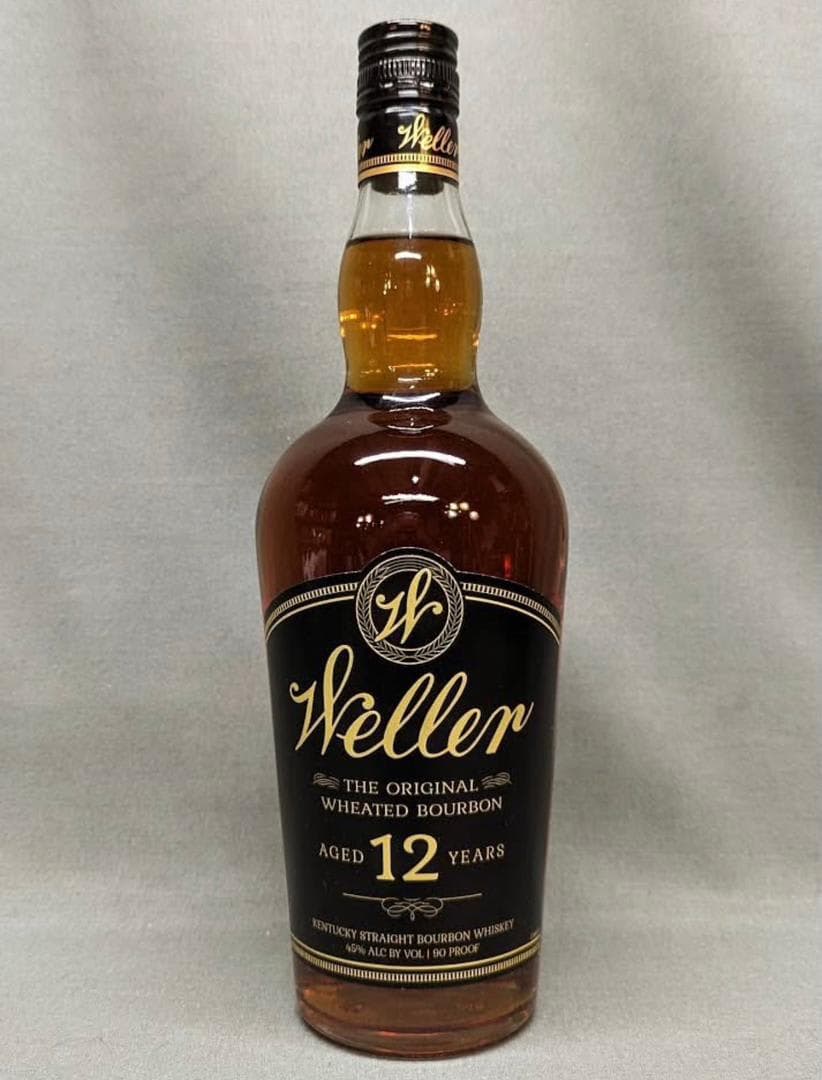
Everything we stock lists its real age, proof and format on the product page. Compare Weller 12 Year against Blanton's Original at similar strength and the difference you taste will be the grain, not the batching — which is the most useful lesson either phrase can teach you. More on that in the ranked buying guide.
Tagged
Common Questions
Frequently Asked
- Is single barrel better than small batch?
- Neither is better — they answer different needs. Single barrel gives you one specific cask with real variation between bottles. Batched whiskey is engineered for consistency, which is what you want in a house pour or a cocktail base.
- Does small batch have a legal definition?
- No. There is no maximum barrel count and no disclosure requirement. The phrase has been used for four barrels and for several hundred, so it carries no information on its own.
- How many bottles come from a single bourbon barrel?
- Typically 150 to 250, depending on the age of the whiskey and how much evaporated during maturation. Older barrels yield fewer bottles because the angels took more.
- What is a store pick bourbon?
- A single barrel chosen by a specific retailer or bar from a lineup the distillery offers for tasting. Its quality is the quality of the palate that selected it, which is why the same expression varies between shops.
- Why do two bottles of the same single barrel taste different?
- Because they came from different casks. Position in the rickhouse changes how a barrel matures, so two barrels filled the same day from the same batch can taste noticeably different after a decade.