Buying Guide
Does Older Bourbon Mean Better? What Age Statements Really Tell You
A number on the label is the least reliable predictor of quality in American whiskey. Here is what it does and does not promise.
Eleanor Hayes
Master Distiller, Bourbon & Oak

Ask a room of drinkers whether a 17 year old bourbon is better than a 10 year old and most will say yes without hesitating. It is the most persistent assumption in whiskey, it drives an enormous amount of spending, and it is wrong often enough to be worth taking apart properly.
What the Number Legally Means
An age statement refers to the youngest whiskey in the bottle, not the average. If a small batch marries barrels of eight, eleven and fourteen years, the label must say eight. This is a consumer protection rule and it works in your favour - the number is a floor, never an optimistic estimate.
Plain bourbon has no minimum age at all. Straight bourbon requires two years, and must state its age if it is under four. Past four years a producer may say nothing, which is why so many excellent bottles carry no number. We cover the full set of definitions in bourbon vs whiskey.
Bourbon Ages Faster Than You Think
Comparing bourbon years to scotch years is the root of most confusion. An 18 year old scotch is a mature but unremarkable age statement; an 18 year old bourbon is close to the outer limit of what the category can carry. Two things account for the difference.
- New charred oak. Scotch generally matures in used casks that have already surrendered most of their extractable compounds. Bourbon must use a fresh, heavily charred barrel, so extraction is far more aggressive from the first year.
- Kentucky weather. Rickhouses are deliberately uncontrolled, and summers above 35 degrees Celsius followed by freezing winters drive the whiskey in and out of the wood constantly. Scotland's mild, stable climate does the same work far more slowly.
The practical consequence is that most bourbon reaches its best somewhere between eight and fifteen years. Below that it can taste hot and grain-forward; well beyond it, the wood starts winning.
What Over-Oaked Actually Tastes Like
Too long in the barrel is a real and unpleasant outcome, not a theoretical one. Tannins accumulate until the whiskey turns drying and astringent, like over-steeped tea. Sweetness and fruit disappear behind bitter wood, sawdust and a sharp pencil-shavings note. The finish shortens rather than lengthens, because there is nothing left underneath the oak to carry it.
This is why distilleries dump barrels that are ready rather than barrels that have hit a round number, and why a genuinely great 20 or 23 year old bourbon is rare enough to command what it does. Reaching that age intact is the exception. Most barrels do not.
Position Beats Duration
Here is the fact that undoes the simple age-equals-quality model. Two barrels filled on the same day from the same batch will taste like different whiskeys after a decade, depending on where they sat. Upper floors of a rickhouse run hot and cycle hard, ageing spirit faster and bolder. Lower floors stay cool and steady, producing gentler whiskey more slowly.
A well-placed eight year old barrel can outclass a poorly placed fifteen. That is the entire logic of a barrel pick, which we walk through in the barrel selection guide - and it is why single barrel bottlings print the warehouse and rick position on the label.
No Age Statement Is Not a Red Flag
NAS has a poor reputation, largely earned during the whiskey shortage years when producers quietly dropped age statements while raising prices. But the absence of a number is not evidence of young whiskey. Barrel proof releases are frequently NAS because they are assembled from a spread of barrels selected on taste rather than to protect a number on the label.
E.H. Taylor Barrel Proof carries no age statement and is one of the most structured bourbons at its price. Judge it in the glass, not on the label.
What Extra Years Actually Cost You
Set against real bottles on our shelves, the curve is easy to see:
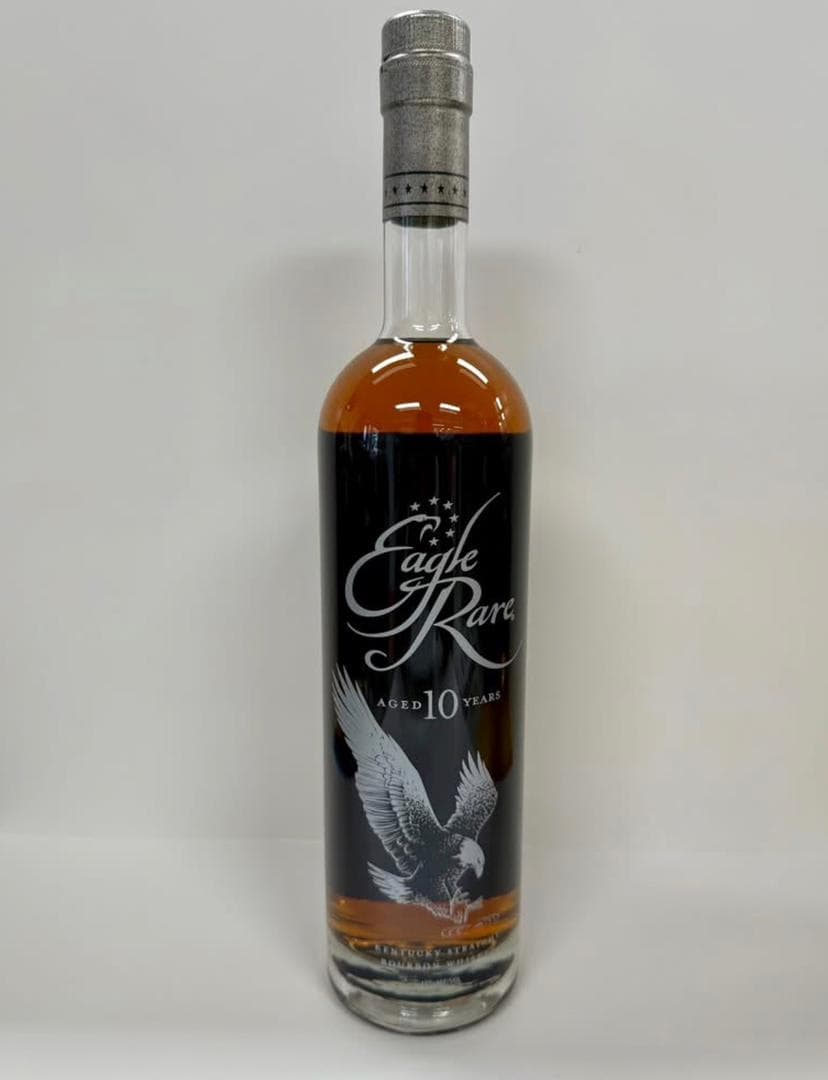
- Eagle Rare 10 Year at $40 - a decade of Kentucky weather, and for most drinkers the point at which bourbon is simply good.
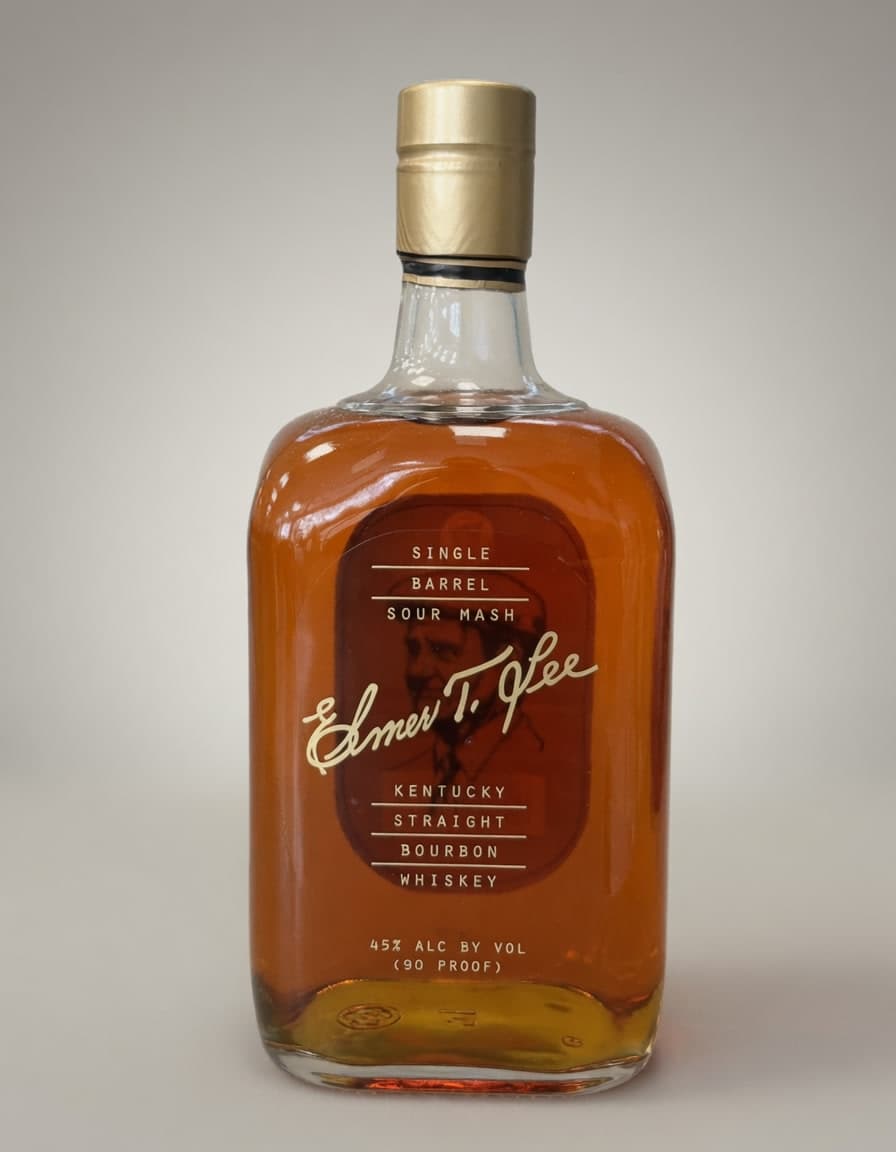
- Elmer T. Lee Single Barrel at $80, nine years - one year younger than the above, and better, because the barrels were selected rather than merely aged.
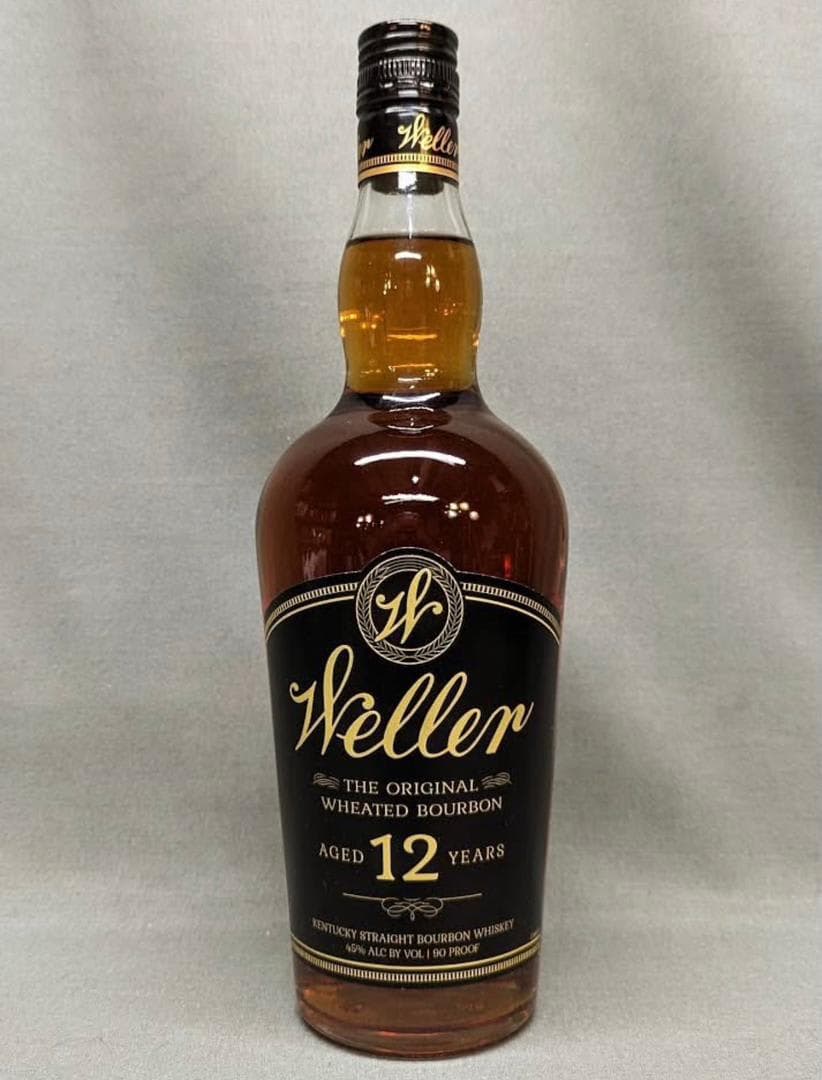
- Weller 12 Year at $100 - two more years and a wheated recipe that uses them well.
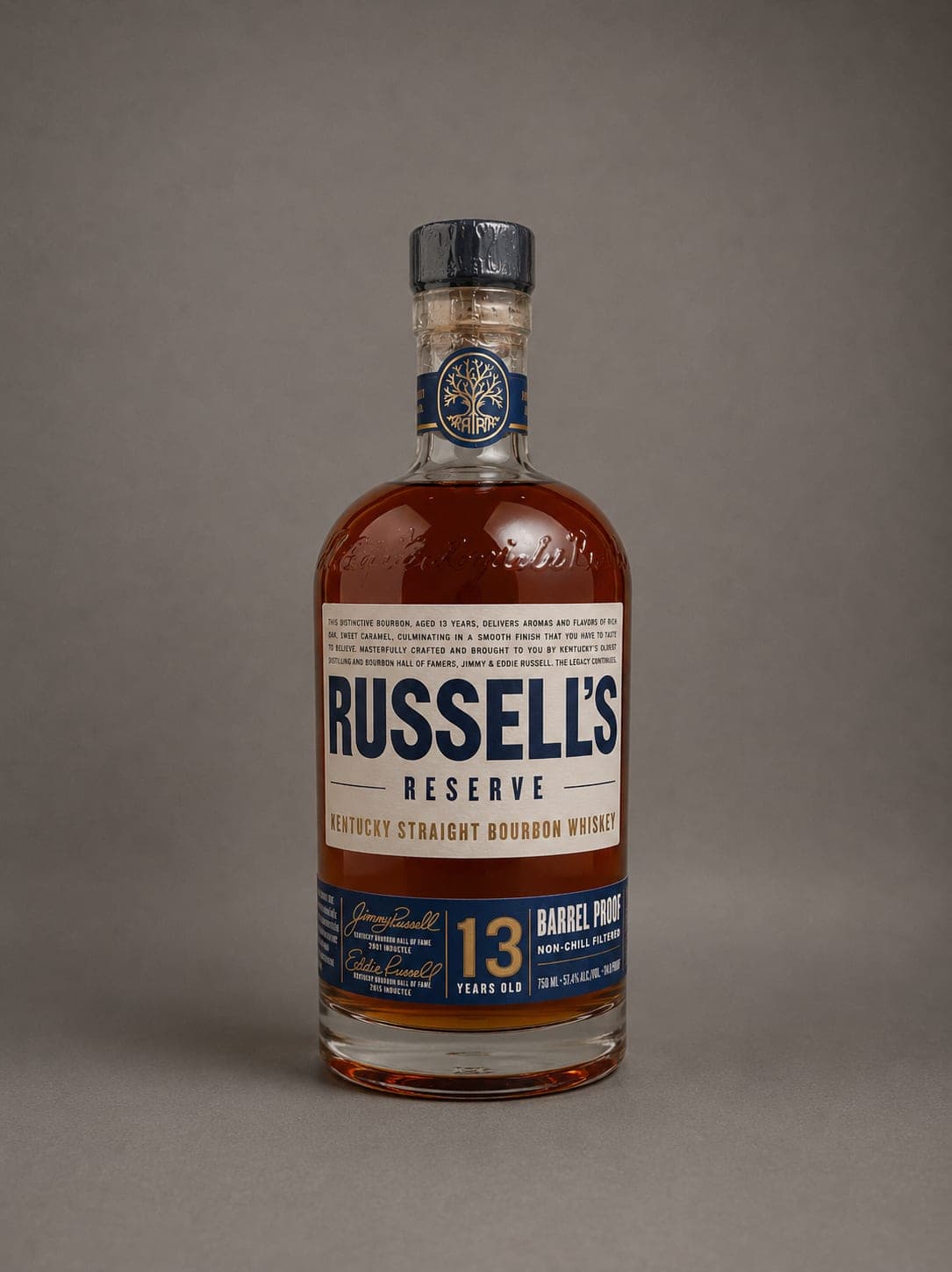
- Russell's Reserve 13 Year at $200 - thirteen years at 114.8 proof, non-chill filtered, where age and strength genuinely compound.
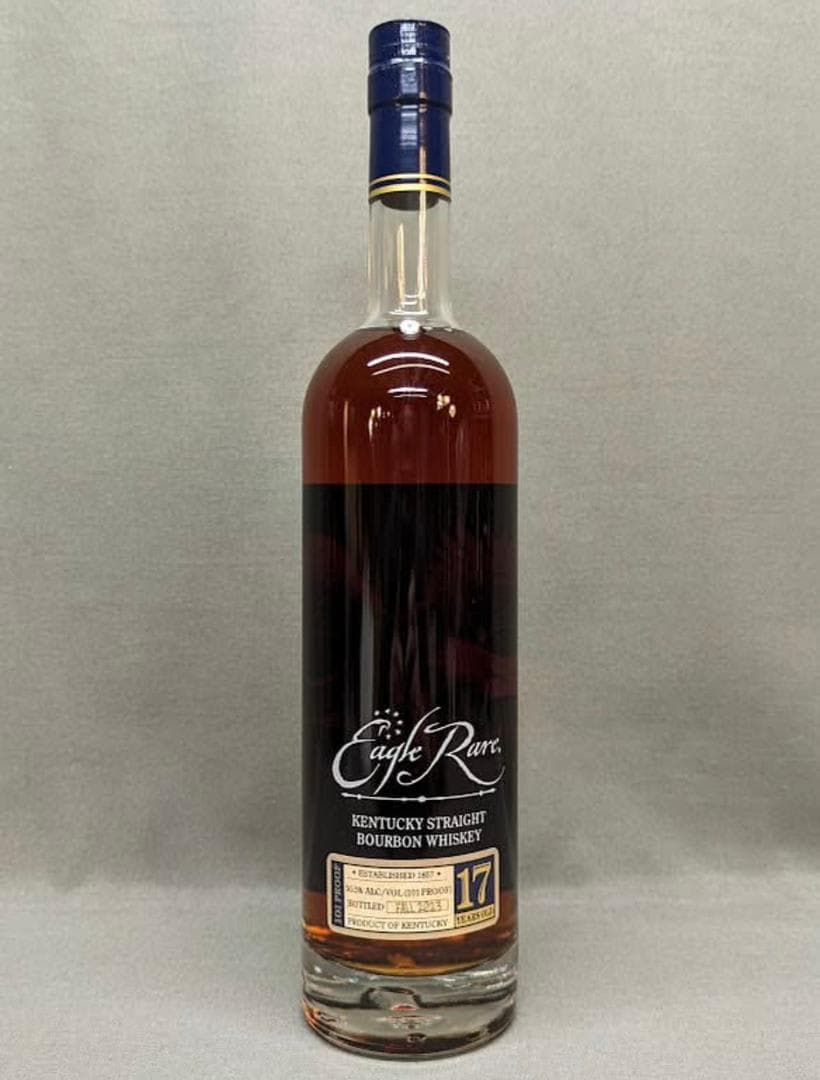
- Eagle Rare 17 Year at $250 - superb, and priced on scarcity as much as on the extra seven years over the 10 year.
The step from 10 to 12 years is worth paying for. The step from 13 to 17 buys elegance, rarity and diminishing returns. Anyone telling you the 17 is roughly twice as good as the 12 is selling something.
When Old Genuinely Is Better
There is one clear exception, and it is a matter of recipe. Wheated bourbons carry extended ageing unusually well. Without rye spice occupying the mid-palate, a young wheater can taste thin - but give it fifteen years and the oak fills that space with leather, dark caramel and dried fruit rather than bitterness.
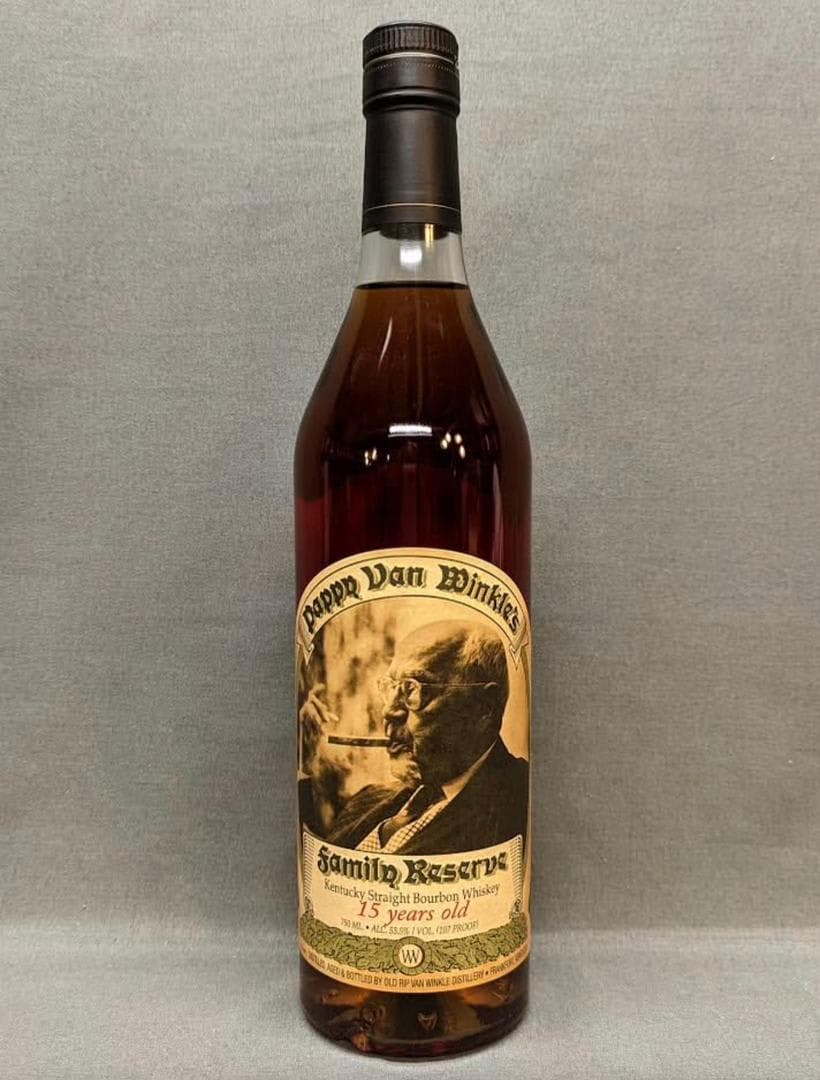
That is the whole design of the Van Winkle range, and why Pappy Van Winkle 15 Year works at an age that would flatten many high-rye bourbons. Even there, most people find fifteen the sweet spot rather than the 23 year, which trades a great deal of money for a little more wood.
How to Buy Without Chasing Numbers
- Decide your grain preference first - wheated or high-rye matters more than any age statement.
- Buy in the eight to thirteen year band, where the ratio of quality to price is best.
- Treat NAS barrel proof releases as opportunities, not compromises.
- Taste before you upgrade. A side-by-side at similar proof teaches more than any label.
If you want to run that comparison properly, the tasting guide explains how, and the ranked buying guide shows what each tier costs. The older releases live in the allocated collection; everything else is in the shop.
Tagged
Common Questions
Frequently Asked
- Does older bourbon always taste better?
- No. Most bourbon peaks between eight and fifteen years. Beyond that the wood can dominate, producing drying, astringent, bitter whiskey. A well-placed eight year old barrel can easily beat a poorly placed fifteen.
- What does an age statement on bourbon mean?
- It refers to the youngest whiskey in the bottle, not the average. If barrels of eight, eleven and fourteen years are married together, the label must state eight.
- Why does bourbon age faster than scotch?
- Bourbon must use new heavily charred oak, so extraction is aggressive from the start, and Kentucky rickhouses are uncontrolled, driving the whiskey in and out of the wood through large temperature swings. Scotland's mild climate and used casks work far more slowly.
- Is a bourbon with no age statement worse?
- Not necessarily. Barrel proof releases are often NAS because barrels are chosen on taste rather than to protect a number. E.H. Taylor Barrel Proof carries no age statement and is among the most structured bourbons at its price.
- What does over-oaked bourbon taste like?
- Drying and astringent, like over-steeped tea, with bitter wood, sawdust and pencil-shaving notes replacing sweetness and fruit. The finish gets shorter rather than longer.