Collecting
How to Start a Bourbon Collection Without Wasting Money
The first ten bottles decide whether you end up with a collection or a shelf of expensive mistakes.
Eleanor Hayes
Master Distiller, Bourbon & Oak

Almost every bourbon collection that goes wrong goes wrong in the same way. Someone reads a list of the most sought-after bottles, spends heavily chasing two or three of them on the secondary market, and ends up with a shelf that is expensive, narrow, and slightly disappointing to drink from. The bottles are fine. The shape of the collection is wrong.
A good collection is not a list of trophies. It is a set of bottles that covers a range of styles well enough that you can pour something appropriate for any mood, any guest and any occasion. That is a far cheaper goal, and considerably more fun.
Rule One: Profile Before Rarity
Before spending real money, work out whether you prefer wheated or high-rye bourbon. It is the largest single variable in how a bourbon tastes, larger than age, proof or price, and knowing your answer changes every subsequent purchase.
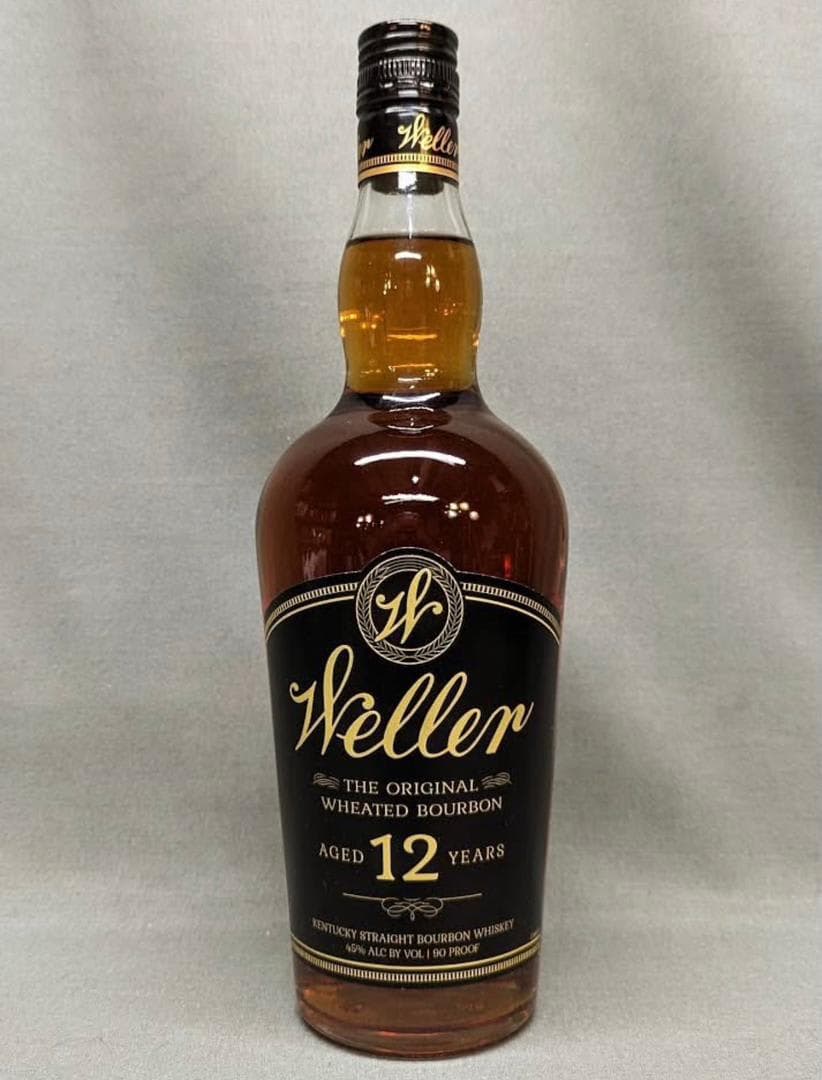
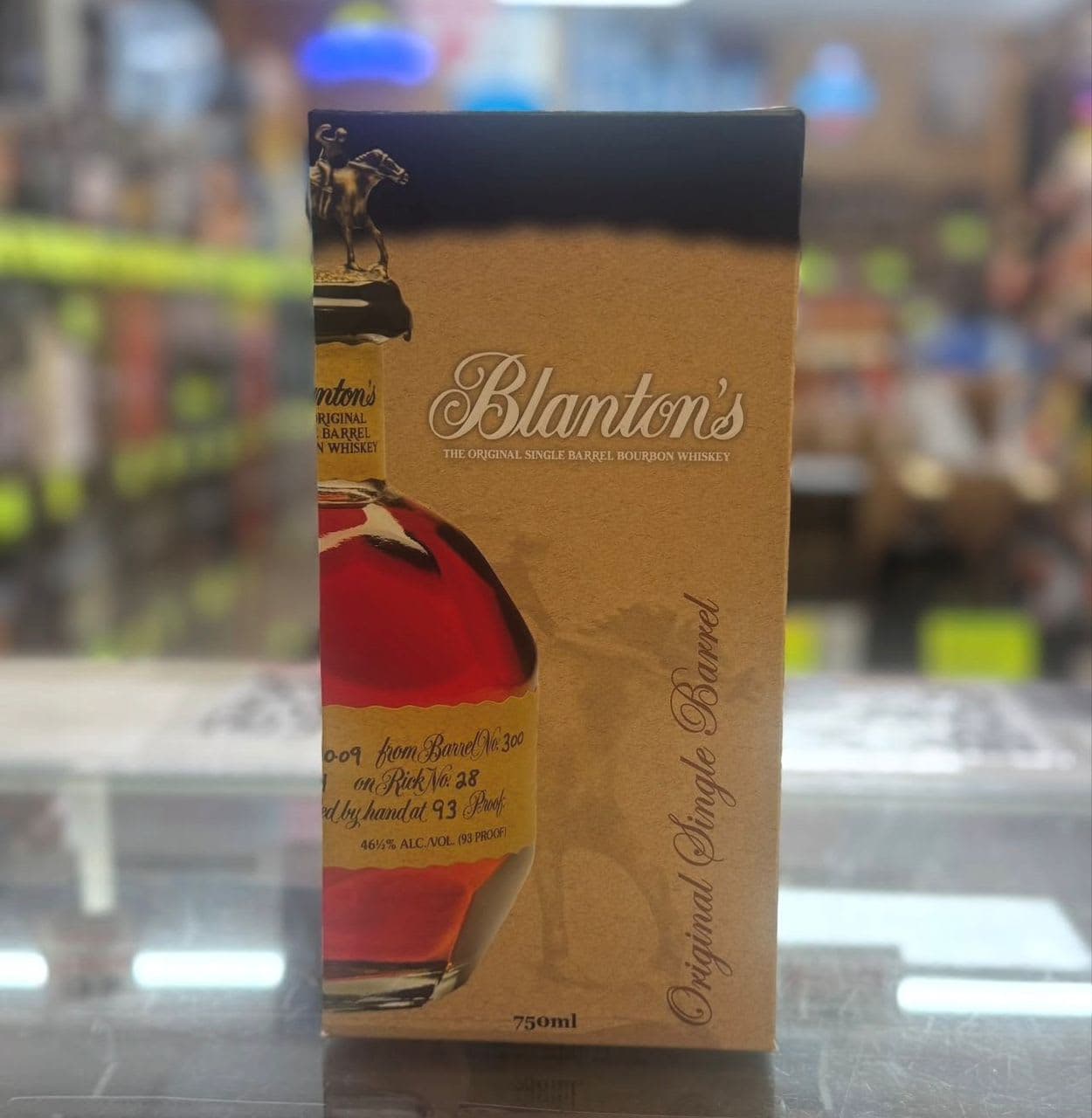
Buy Weller 12 Year and Blanton's Original Single Barrel and taste them side by side at similar proof. One is soft, honeyed and bready; the other is peppery and structured. Whichever you reach for again tells you where to spend for the next two years. The mash bill guide explains the mechanics.
Rule Two: Cover the Range, Not the Top
A shelf of five bottles all costing $250 is a worse collection than five bottles spanning $40 to $250, because the expensive shelf cannot answer most of the questions a collection exists to answer. You need something for a Tuesday, something for a cocktail, something for a guest who does not drink much bourbon, and something for the evening you want to concentrate.
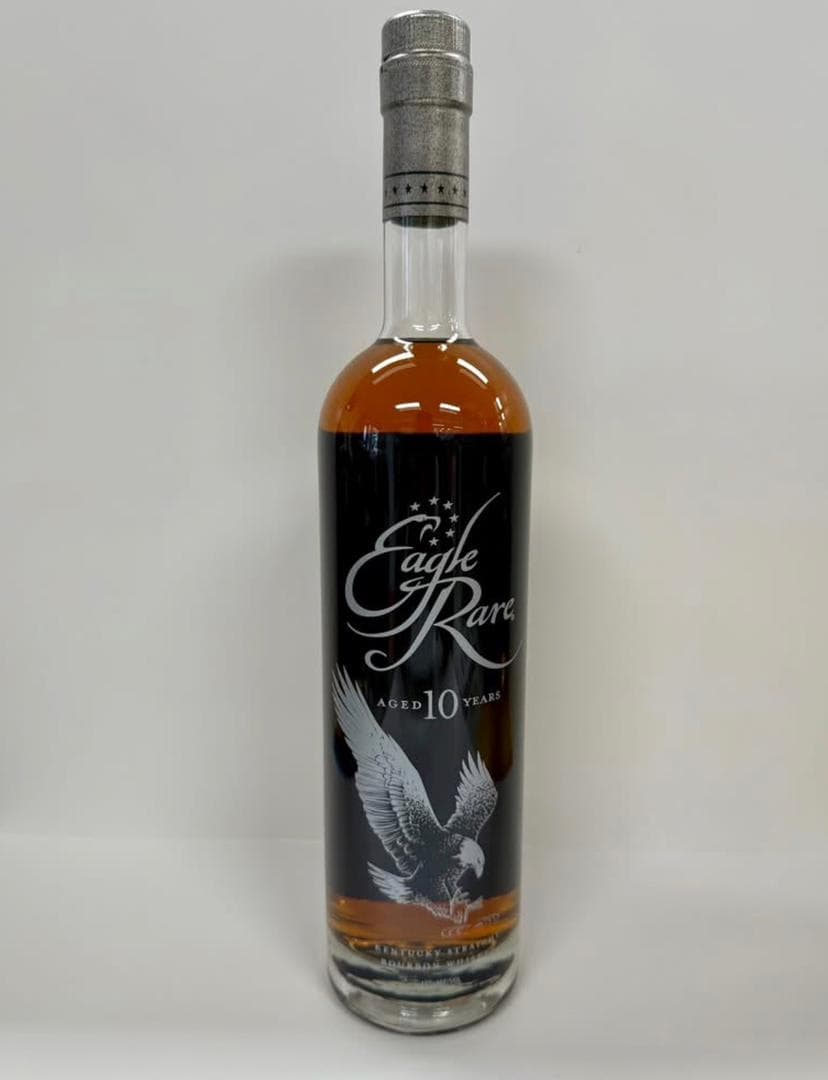
- An everyday pour you never feel bad about opening: Eagle Rare 10 Year at $40.
- A cocktail workhorse with enough spine to survive sugar and bitters: a high-rye bourbon rather than a delicate wheater.
- A value benchmark that punches far above its price: Weller 12 Year at $100.
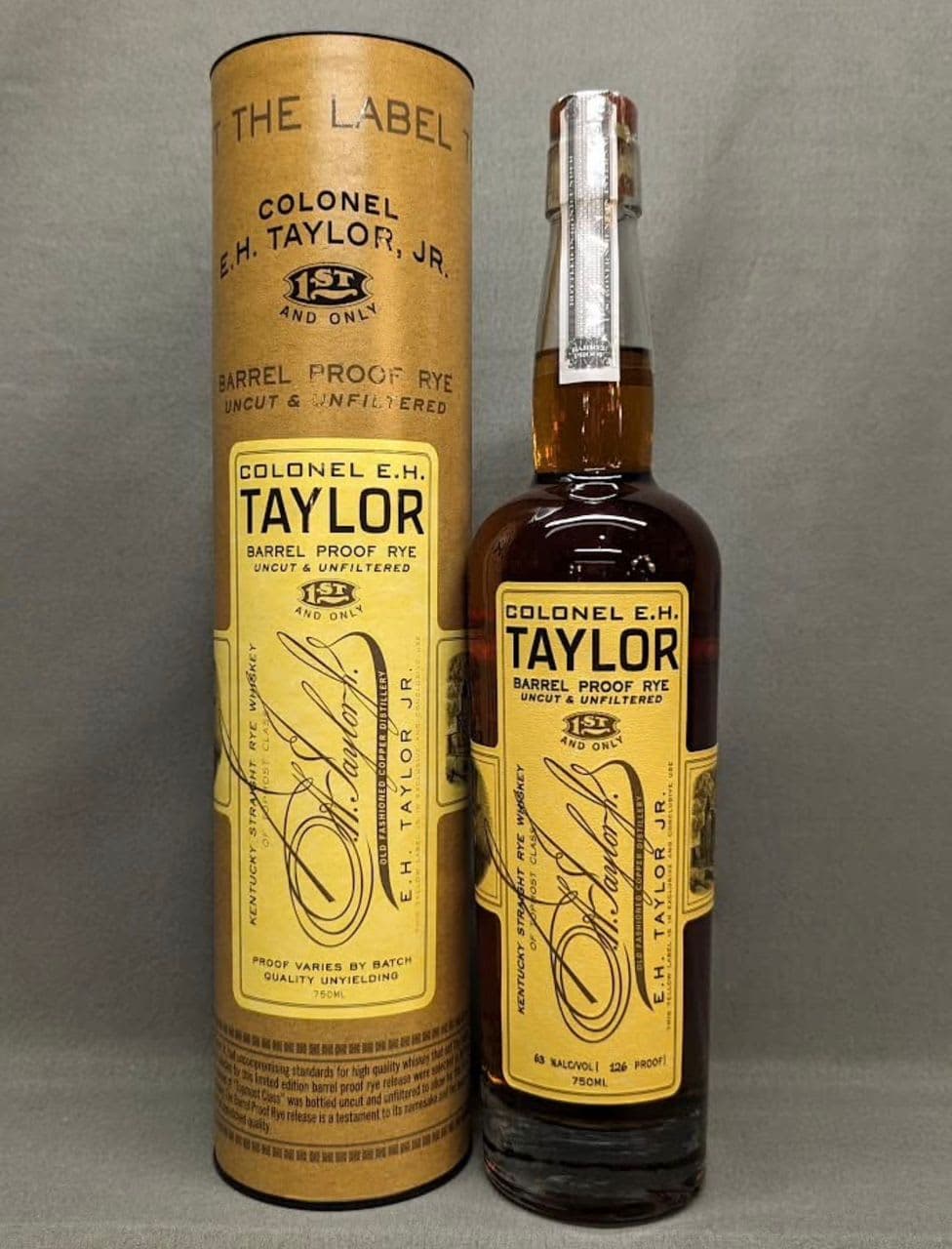
- Something at barrel strength, to learn what water does: E.H. Taylor Barrel Proof at $100.
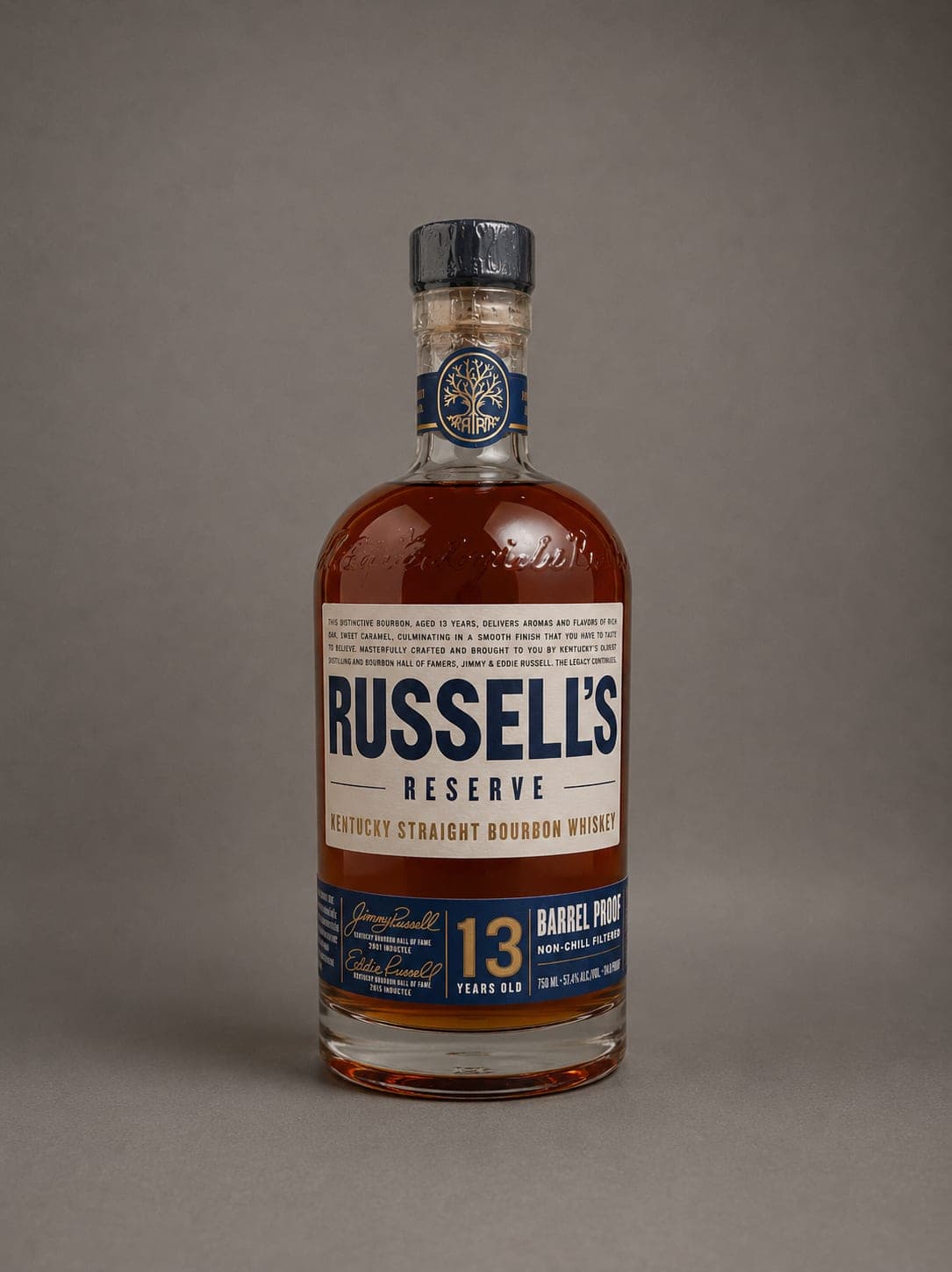
- One bottle outside the Buffalo Trace orbit so your shelf is not monotone: Russell's Reserve 13 Year.
- One genuine special-occasion bottle — and only one, at first.
Rule Three: Stay Off the Secondary Market Early
The secondary market is where new collectors lose the most money fastest, for three reasons. Prices are set by scarcity rather than quality, so you frequently pay a large premium for a whiskey you would not have chosen blind. Counterfeits are common at the top end, and refilled Van Winkle bottles circulate constantly. And new releases are at their most expensive in the first weeks after launch, when demand is loudest.
If you do buy at secondary prices, run the authenticity checks first — capsule and label pairing, an intact tax strip, an unwrinkled cap, fill level within 5 to 8mm of the neck base. The full checklist is in the ranked buying guide.
Rule Four: Get On Lists, Not Waiting Lists
Allocated bottles are distributed by retailers, not by distilleries, and the quantities are fixed years before release. Retailers hand them out by lottery, loyalty history or bundling. The practical consequence is that a relationship with two or three shops you buy from regularly is worth far more than being on twenty anonymous email lists.
How allocation actually works, from barrel fill to your glass, is covered in the buying guide — it is worth understanding before you spend a year frustrated by it.
Rule Five: Open the Bottles
This is the one people resist and the one that matters most. A collection of sealed bottles is an inventory, not a collection, and it carries a quiet cost: you never learn anything. The collectors with genuinely good palates are the ones who open things.
There is a practical argument too. Corks fail. A bottle stored badly for a decade can be ruined by a degraded closure long before you get round to drinking it, which is why storing them upright, dark and stable is not optional — see how to store bourbon. A bottle you never open is a bottle you are gambling on.
Rule Six: Keep Notes
One line per bottle is enough: sweet or dry, spicy or soft, short or long finish, and whether you would buy it again. Within a year that record is worth more than any published review, because it is calibrated to your palate rather than someone else's.
It also stops the most common and most expensive collecting error — buying the same style repeatedly under different labels because you never noticed the pattern. The tasting guide covers how to run a comparison that produces useful notes.
A First-Year Shelf
If you built nothing but this over twelve months, you would have a better collection than most people assemble in five years, for well under a thousand dollars: an everyday bourbon, a wheated benchmark, a high-rye single barrel, one barrel-proof bottle, one non-Buffalo-Trace bottle for range, and one bottle you genuinely stretched for.
Then stop, drink them, and let what you actually reach for decide the next six. Everything currently allocated is listed in the allocated collection, and the rest of the range is in the shop.
Tagged
Common Questions
Frequently Asked
- What bourbon should I buy first?
- Something that teaches you your own preference. Buy a wheated bourbon and a high-rye bourbon at similar proof — Weller 12 Year and Blanton's Original, for example — and taste them side by side. Whichever you reach for again should guide everything after.
- How many bottles should a bourbon collection have?
- Range matters more than count. Six bottles spanning $40 to $250 and covering wheated, high-rye and barrel proof is a better collection than five bottles all costing $250.
- Is bourbon a good investment?
- Treat it as a hobby that occasionally holds value rather than an asset. Retail prices have risen while secondary prices have softened from their peak, and bottles bought purely to flip are the ones most exposed when the hype moves on.
- Should I open my collectible bourbon?
- Yes. Sealed bottles teach you nothing, and corks fail over time — a badly stored bottle can be ruined by a degraded closure long before you drink it. Store upright, dark and stable, and open things.
- How do I get allocated bourbon at retail price?
- Build a relationship with two or three shops you buy from regularly. Retailers receive fixed allocations they cannot increase and distribute them by lottery or loyalty history, so being a known regular beats being on twenty anonymous mailing lists.