Buying Guide
How to Build a Bourbon Home Bar
Six bottles that cover every drink you will actually pour, plus the small number of things that are worth buying once and the many that are not.
Wyatt Brennan
Head Bartender, The Cellar at Bourbon & Oak

Most home bars are built by accretion — a gift here, a duty-free bottle there, an impulse buy that seemed like a good idea in a shop. The result is a shelf with twenty bottles and nothing you actually want to drink. A useful bar is smaller than that and chosen on purpose.
The Six Roles
Every bottle should be doing a job. Six jobs cover almost everything anyone pours at home.
1. The house pour
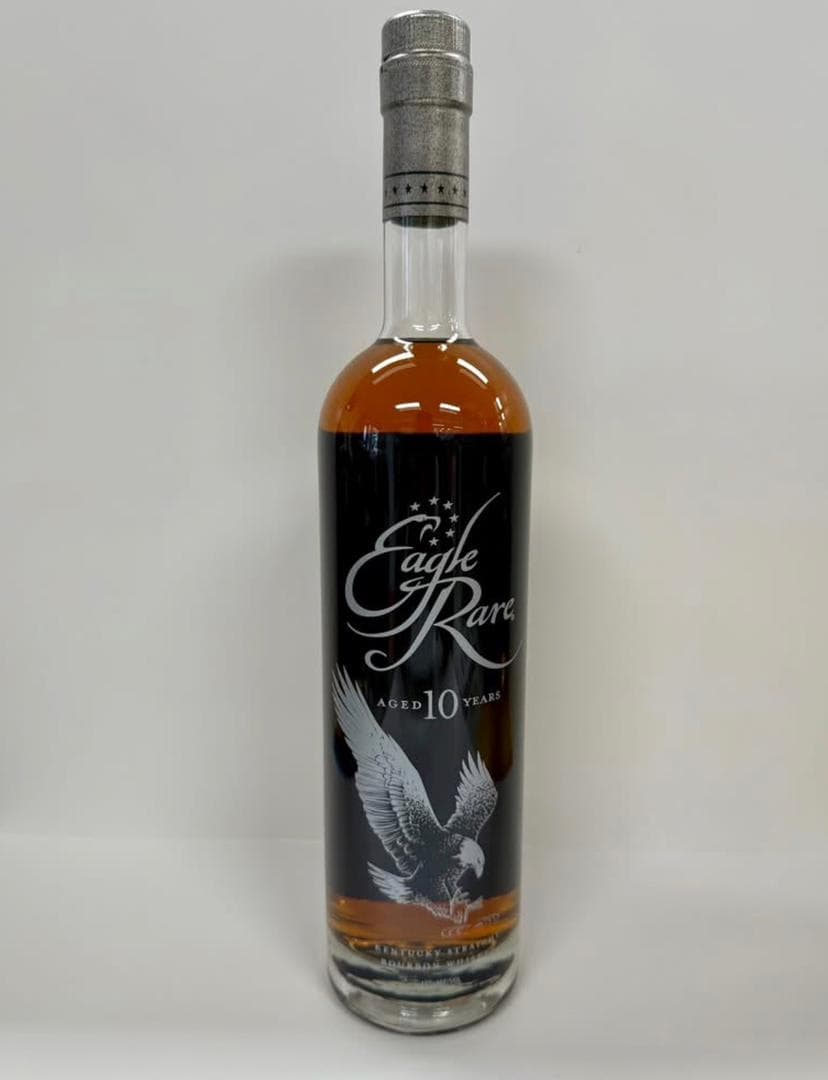
The one you reach for without thinking, that you will replace forever, and that costs little enough not to think about. Eagle Rare 10 Year at 90 proof is the archetype: aged enough to be interesting, gentle enough for a Tuesday.
2. The cocktail base
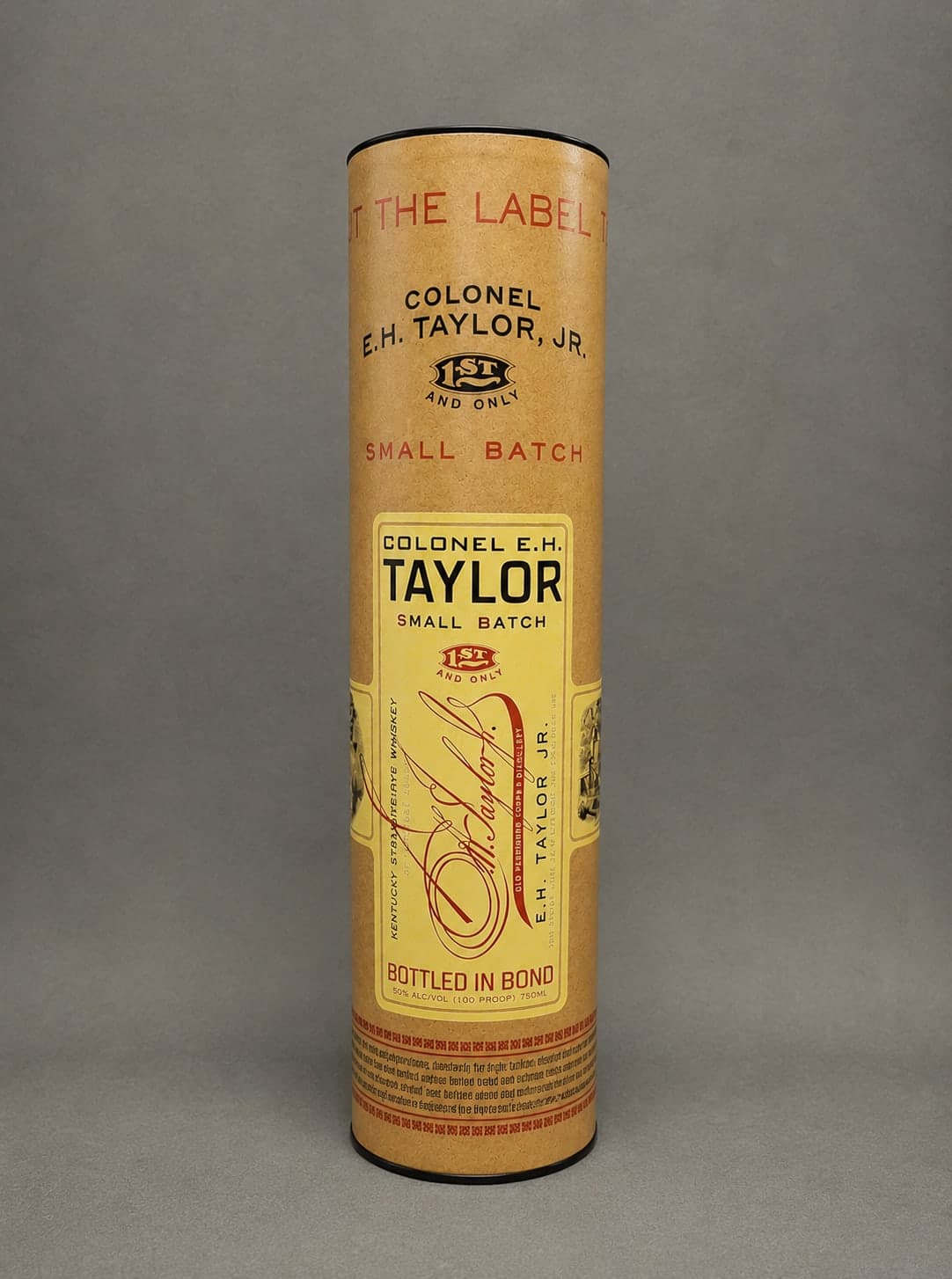
Higher proof, so it survives ice, sugar and bitters instead of vanishing under them. Bonded whiskey is built for exactly this — E.H. Taylor Small Batch at 100 proof holds its shape in an Old Fashioned. Do not use your best bottle here; see the Old Fashioned guide for why.
3. The soft one
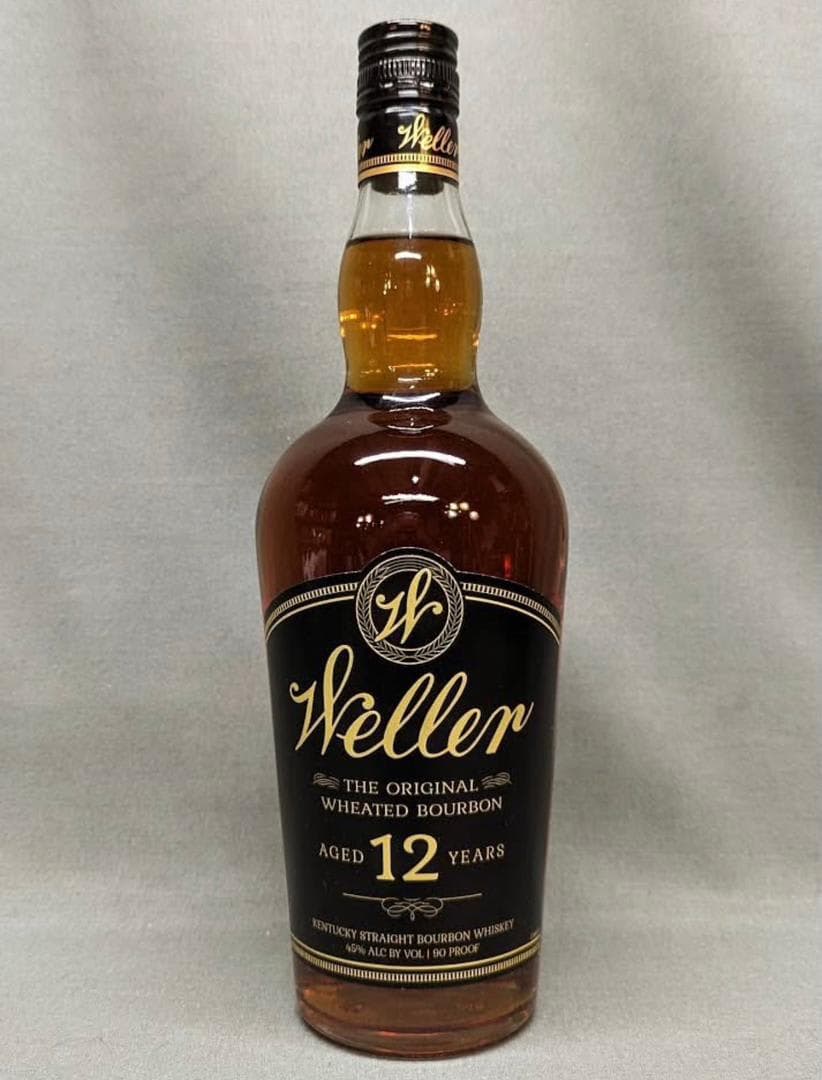
For guests who say they do not like whiskey. Wheated bourbon is the answer nine times out of ten: Weller 12 Year is round and honeyed with almost no pepper, and it converts people. The mash bill guide explains what makes it land differently.
4. The one with a story
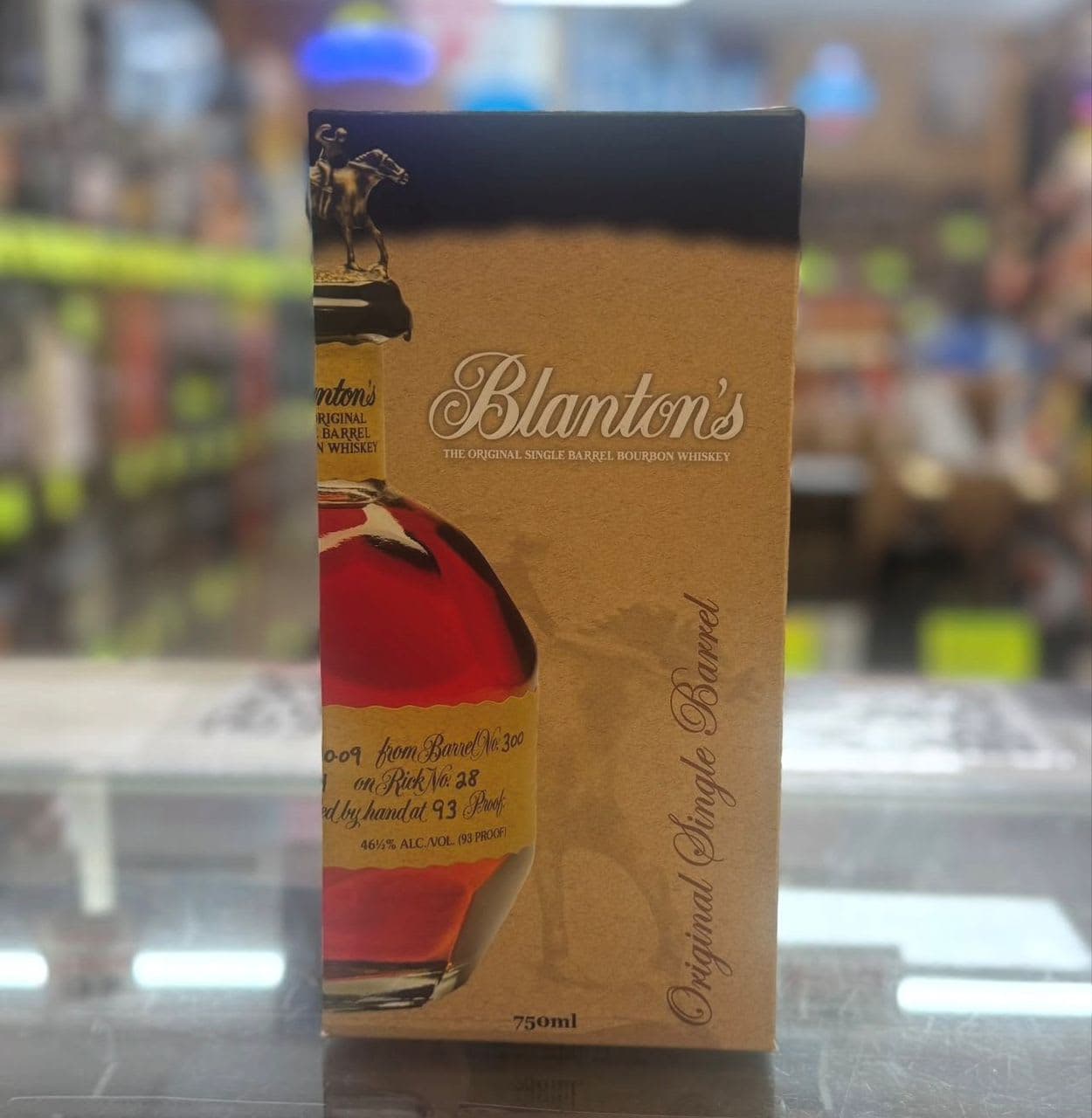
Something with a barrel number, a dump date, a thing to point at. Blanton's Original carries all of it on the label and the horse on the stopper, and it earns its place as much for the conversation as the liquid.
5. The loud one
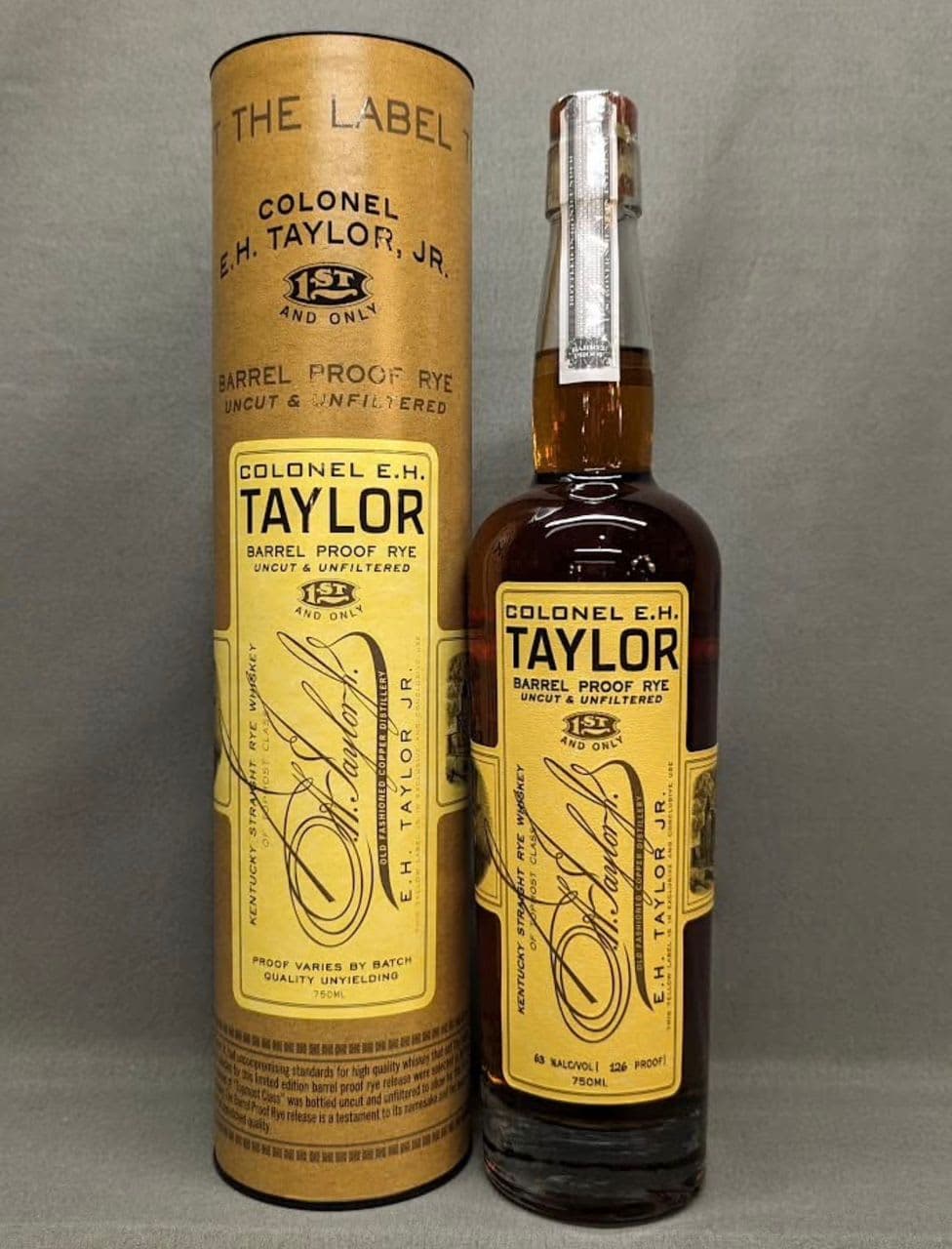
Barrel proof, for the end of a meal and for people who want to see what water does to whiskey. E.H. Taylor Barrel Proof at around 131 is a demonstration as much as a drink.
6. The occasion bottle
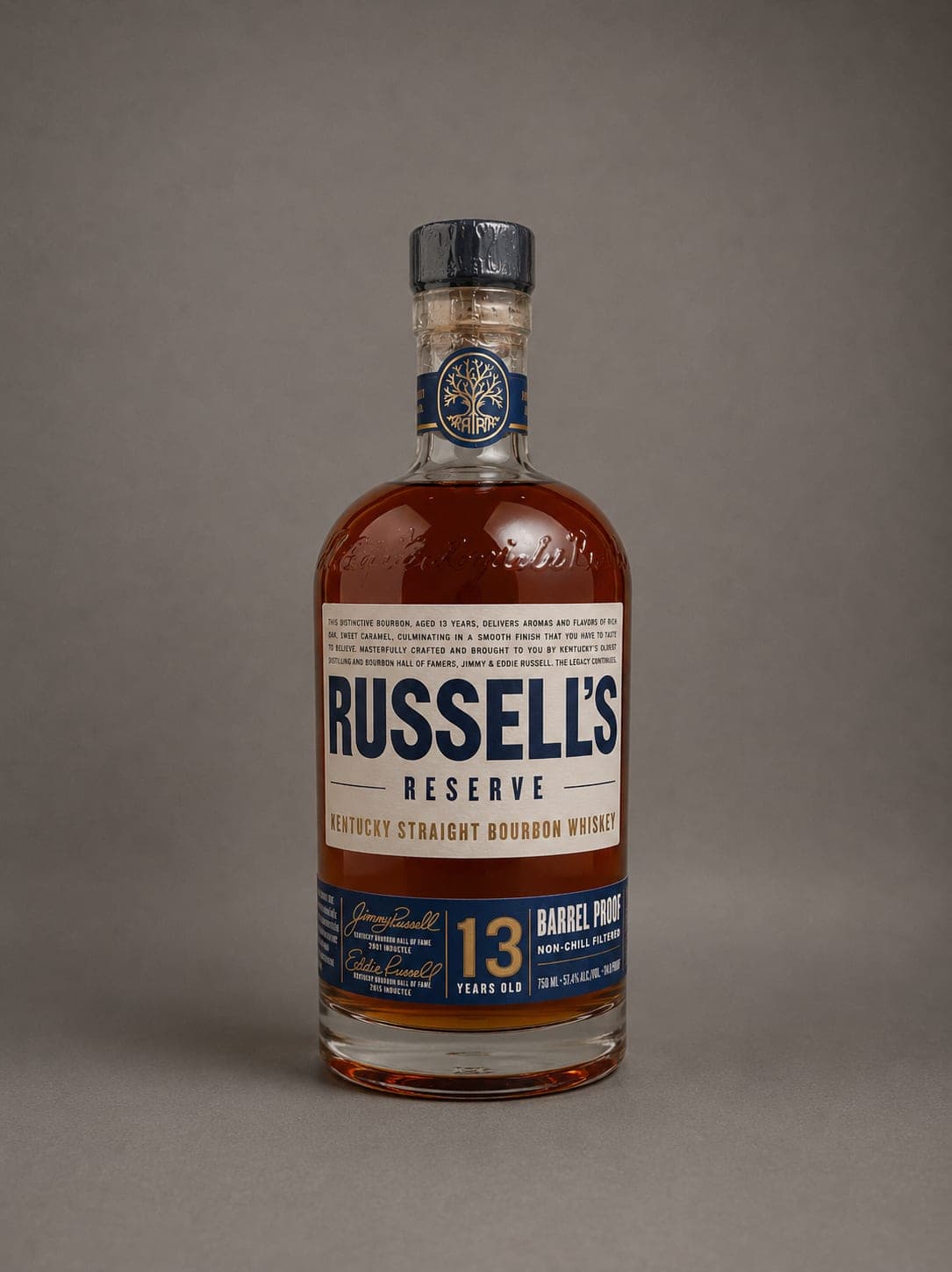
One bottle you do not open casually. What it is matters less than that there is exactly one — Russell's Reserve 13 Year does the job without the allocation chase, and so does anything you had to wait for.
Everything Else You Need
The equipment list is much shorter than the internet suggests.
- Two or three glasses that narrow at the top. Everything else is a preference.
- Rocks glasses for cocktails. Heavy ones feel better and that is a real part of the drink.
- A jigger. Eyeballing measures is how a good cocktail becomes an inconsistent one.
- Angostura bitters. One bottle lasts years and is non-negotiable for an Old Fashioned.
- Large ice. One big cube melts far slower than four small ones, which is the whole point.
- A bar spoon. Stirring, not shaking, for anything that is only spirits.
That is it. Not a smoker, not a set of spherical moulds, not a decanter — a decanter actively harms whiskey by leaving it half-exposed to air for months, which the storage guide covers.
Storing It Properly
- Upright, always. Bourbon at 40 percent or more will degrade a cork lying down.
- Out of sunlight. Light strips colour and flavour, and a sunny windowsill is the most common way people ruin a good bottle.
- Stable temperature beats cold. A cupboard is better than a radiator alcove or an unheated garage.
- Once a bottle is below a third, finish it within a year. Air is doing the work now, not oak.
Build it in that order and the bar stays useful rather than ornamental. If you are starting from nothing, the beginner's sequence is a gentler on-ramp, and everything above is in the shop with its real proof on the page.
Tagged
Common Questions
Frequently Asked
- How many bourbons do I need for a home bar?
- Six, if each one is doing a different job: a house pour, a cocktail base, a soft one for guests, one with a story, a barrel proof, and a single occasion bottle. A seventh usually duplicates a role.
- What is the best bourbon for cocktails at home?
- Something around 100 proof so it survives ice, sugar and bitters. Bottled-in-bond whiskey is built for it. Save the expensive bottle for drinking neat, where you will actually notice it.
- What equipment do I actually need?
- Glasses that narrow at the top, heavy rocks glasses, a jigger, Angostura bitters, large ice and a bar spoon. Nearly everything else sold as bar equipment is optional.
- Should I keep bourbon in a decanter?
- No. A decanter leaves whiskey half-exposed to air for months and often has a poor seal, so it degrades the spirit for the sake of appearance. Keep it in the bottle it came in.
- How should I store bourbon at home?
- Upright, out of sunlight, at a stable temperature. Lying a bottle down lets high-proof spirit degrade the cork, and a sunny shelf is the most common way a good bottle gets ruined.