Fundamentals
Bourbon for Beginners: Your First Five Bottles
No jargon, no hunting, no spending three figures to find out what you like. Five bottles that teach you your own palate.
Wyatt Brennan
Head Bartender, The Cellar at Bourbon & Oak
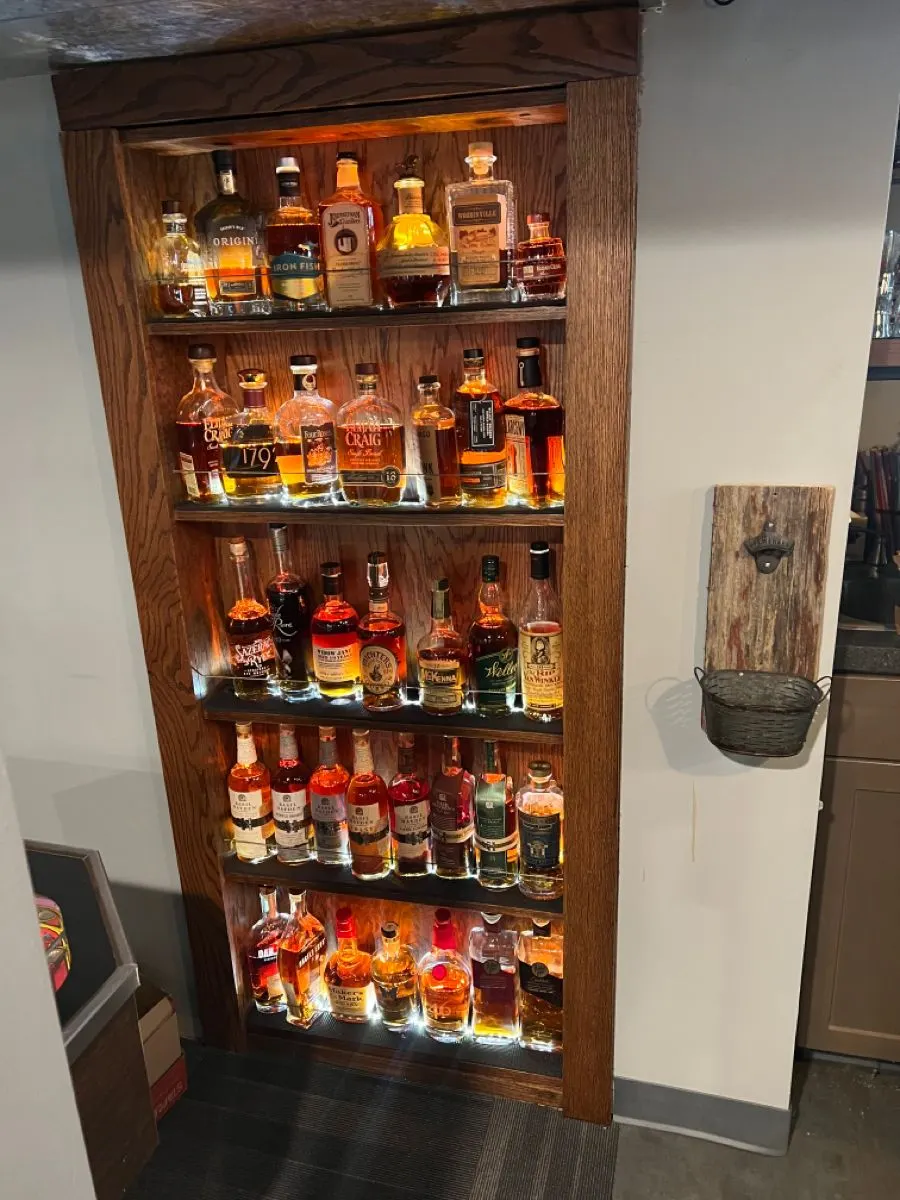
The usual beginner guide is a list of bottles you cannot find at prices you should not pay. That is not a starting point, it is a wish list. What follows is a sequence instead: five bottles, each chosen because it isolates one variable, so by the end you know what you like rather than what you have been told to like.
Before the First Pour
Three things make more difference than any bottle choice, and all three are free.
- Use a glass that narrows at the top. A tumbler throws the aroma sideways; anything tulip-shaped concentrates it. Most of tasting is smelling.
- Add water. A few drops, not a splash. Cask-strength whiskey especially opens up, and there is nothing purist about drinking something too hot to taste.
- Sip small and wait. The second sip always tastes different from the first, because the first was mostly your palate reacting to the alcohol.
The full method — glassware, water, what to look for — is in how to taste bourbon. You do not need it to enjoy a drink, but it will make these five bottles teach you more.
One: A Baseline
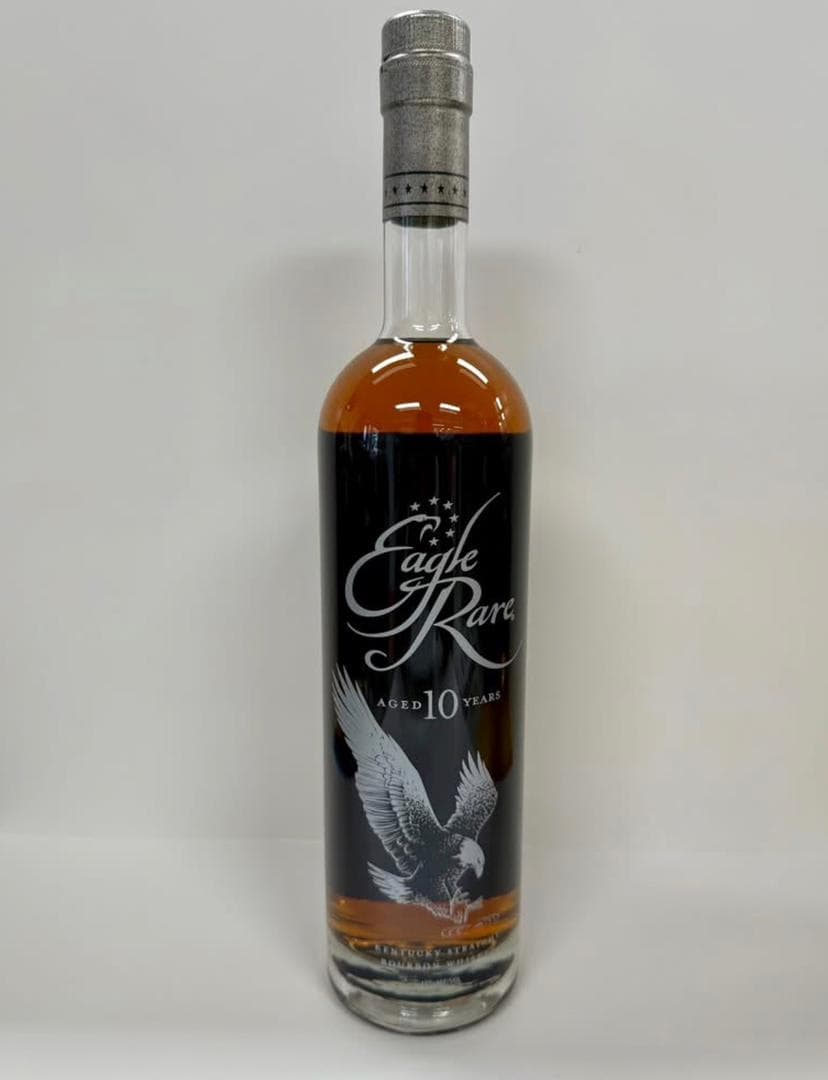
Start with Eagle Rare 10 Year at 90 proof. Ten years in oak, gentle, no rough edges, and widely available at a sane price. It is not the most exciting whiskey you will ever drink, and that is the point — it gives you a reference for what a well-made, well-aged bourbon tastes like when nothing is turned up loud.
Two: Turn the Grain
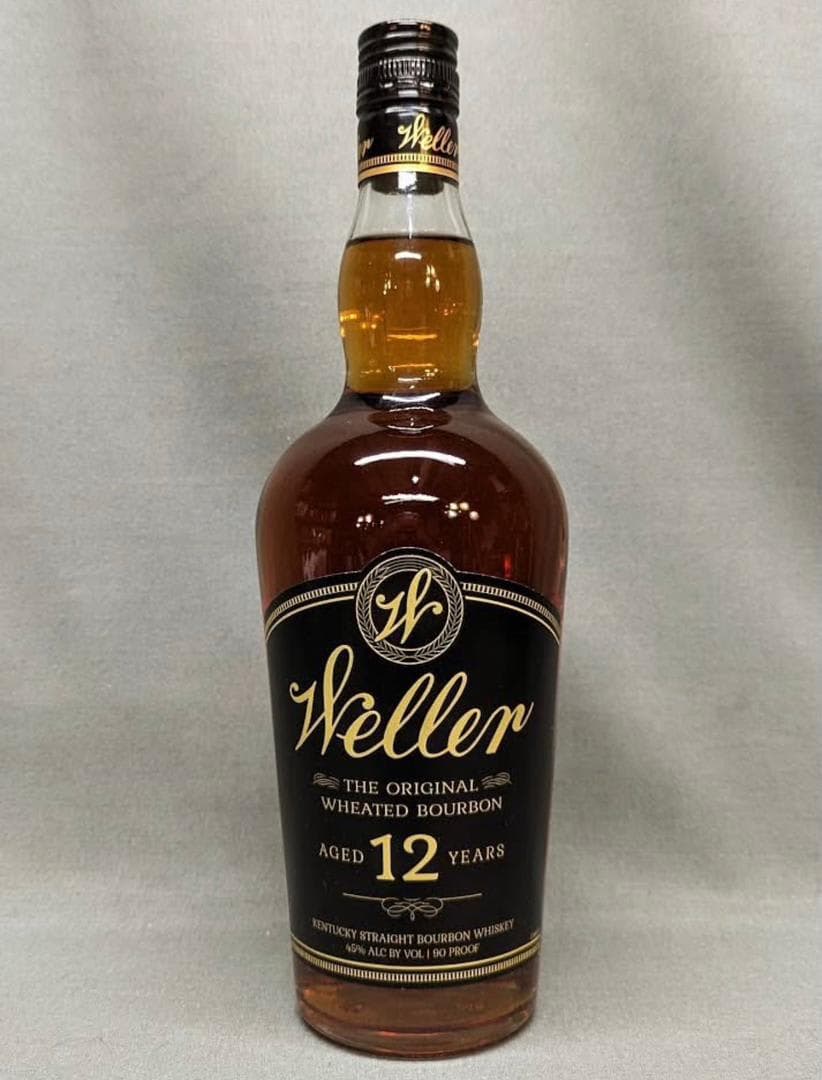
Now change one variable. Weller 12 Year is wheated — wheat instead of rye as the secondary grain — and the difference is immediate. Softer, rounder, more honey and less pepper. Taste it beside the Eagle Rare and you will learn more in ten minutes than in a month of reading. The mash bill guide explains what you are tasting.
Three: Turn the Proof
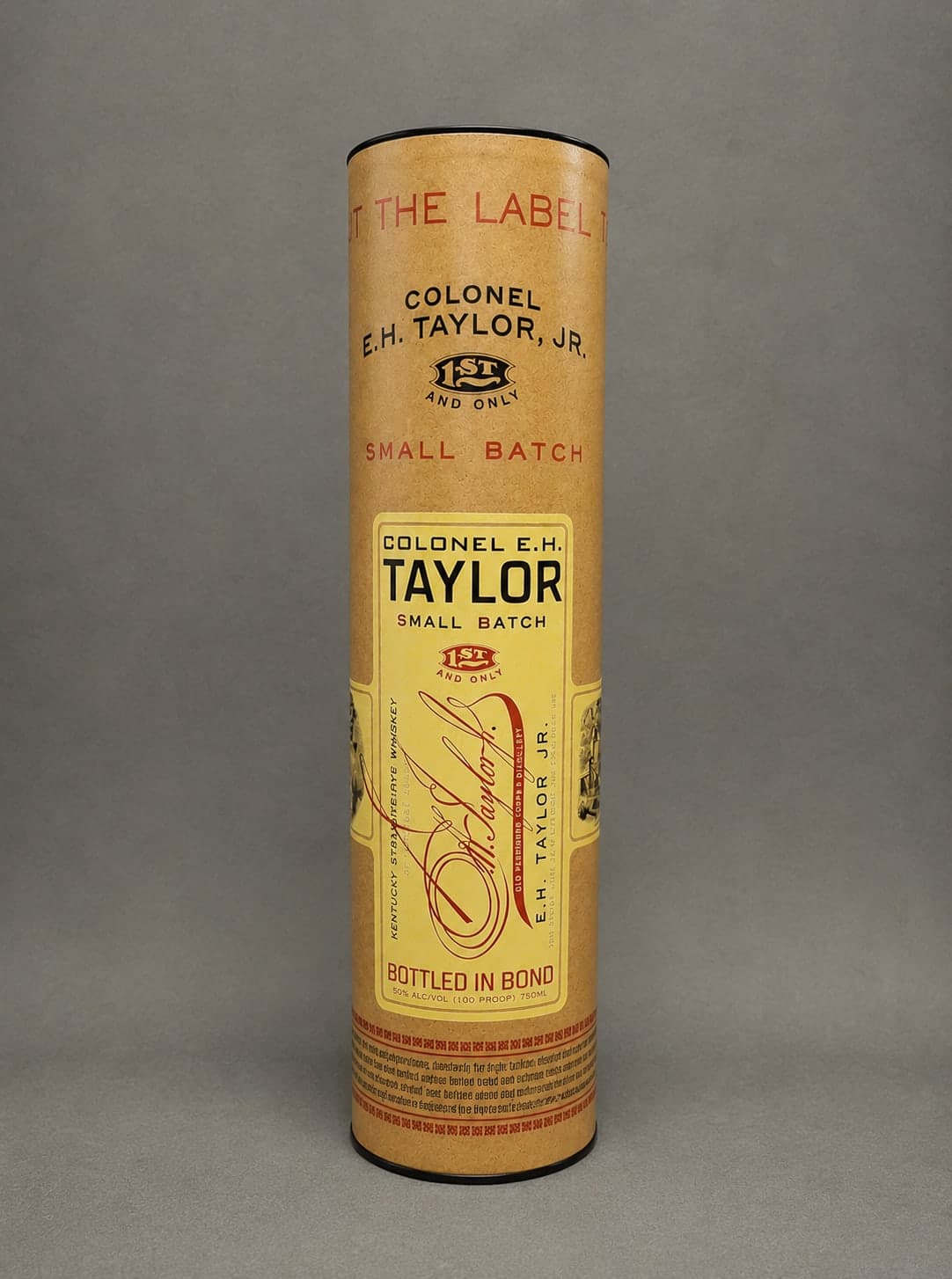
E.H. Taylor Small Batch is bottled in bond, which means exactly 100 proof and a genuine federal guarantee behind it — the standard we unpack in bottled in bond. Ten more proof points than the Eagle Rare is enough to feel: more weight, more grip, and enough backbone to survive an ice cube.
Four: Meet a Single Barrel
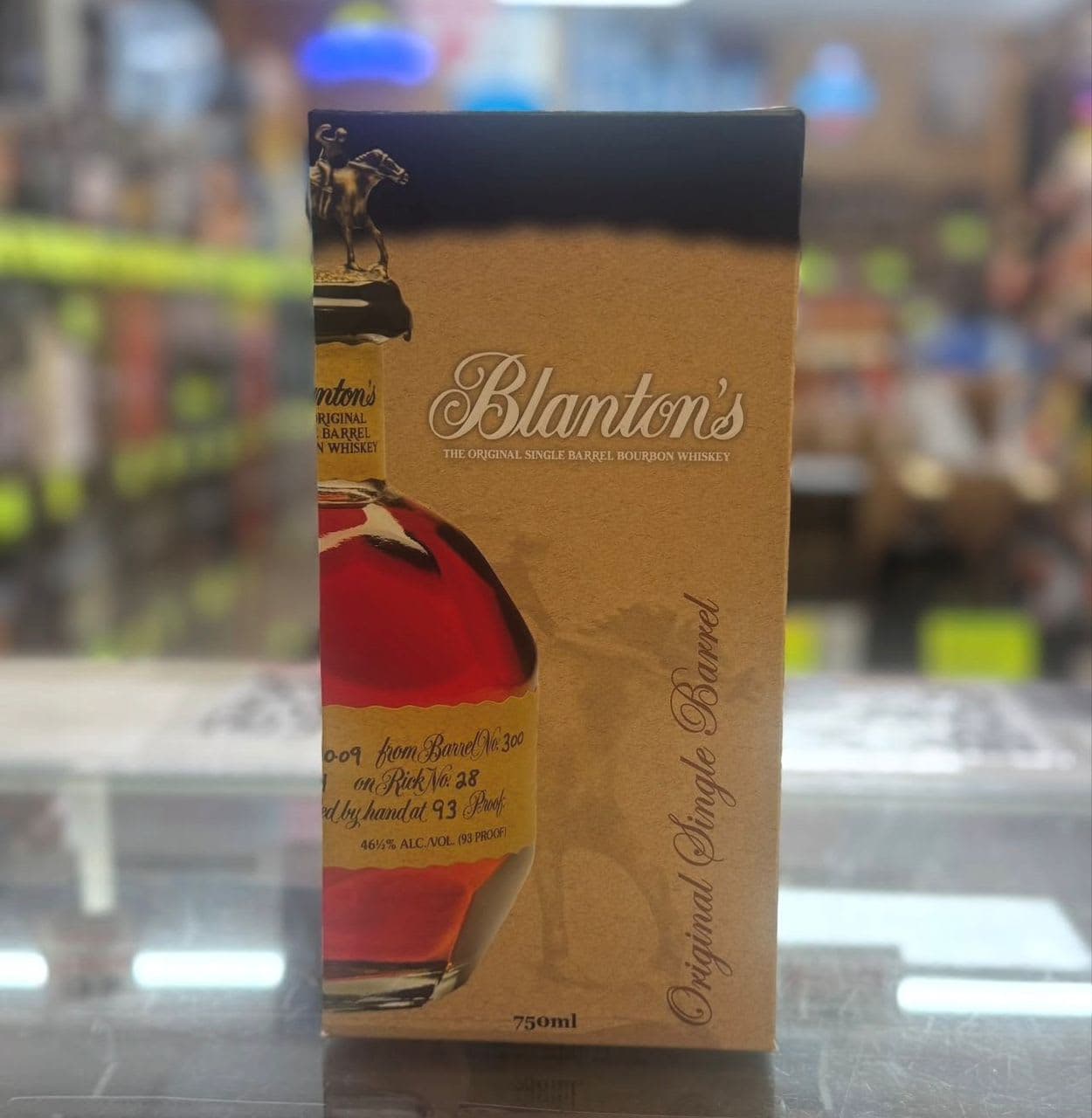
Blanton's Original comes from one cask, bottled alone, with the barrel number printed on the label. Two bottles bought a year apart will not taste identical, and understanding why is the moment bourbon stops being a product and starts being agriculture. See single barrel vs small batch.
Five: Go Loud, Carefully
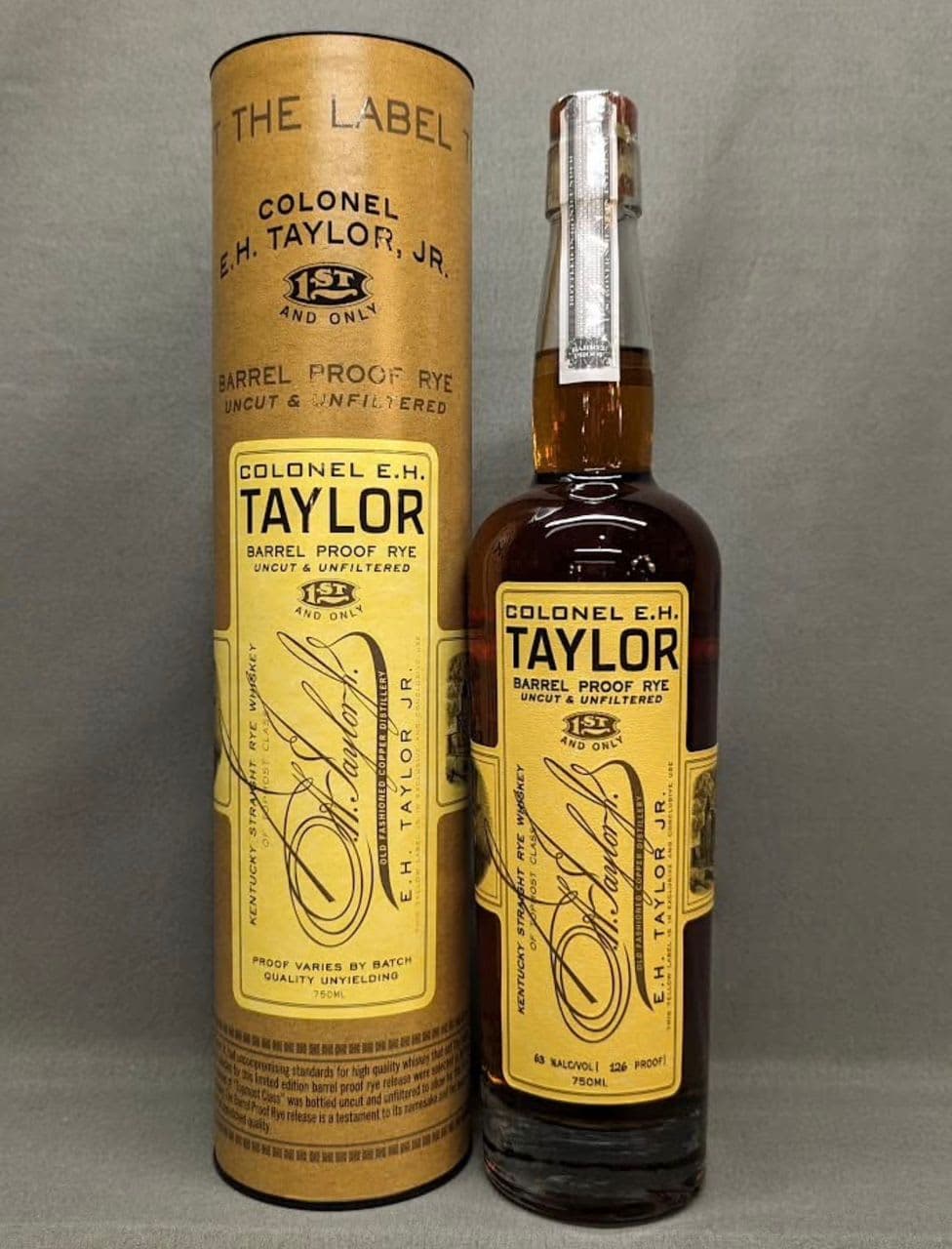
Only now is barrel proof worth your money. E.H. Taylor Barrel Proof arrives uncut at around 131 proof. Taste it neat, wince, add water a few drops at a time, and watch it change into something else entirely. That transformation is the whole argument for cask strength, and it is wasted on a palate that has not met the tamer versions first.
Mistakes Worth Skipping
- Chasing allocated bottles first. You will pay a premium to learn nothing — see why they are hard to get.
- Judging on the first sip. Give the glass ten minutes; whiskey changes in air more than people expect.
- Drowning it in ice. Cold mutes aroma. If you want it cold, one large cube melts slower than four small ones.
- Buying by age alone. Older is different, not automatically better — the age guide covers where it stops helping.
- Believing you must drink it neat. The best way to drink bourbon is the way you will actually finish the bottle.
When you know which of the five you kept reaching for, the rest of the shelf gets easy. The ranked guide takes it from there, and everything above is in the shop with its real age and proof on the page.
Tagged
Common Questions
Frequently Asked
- What is the best bourbon for a beginner?
- Something well-aged and gentle at around 90 proof, so nothing is turned up loud. Eagle Rare 10 Year is a good baseline because it gives you a reference point for everything you taste afterwards.
- Should a beginner drink bourbon neat?
- Try it neat first to see what it actually tastes like, then add a few drops of water. Water is not cheating — it opens the whiskey up, especially at higher proof.
- How much should I spend on my first bottle?
- Enough for something well made, not enough to hurt if you dislike it. The bottles that teach you the most are widely available rather than allocated, so you are not paying a scarcity premium to learn.
- Is expensive bourbon better for beginners?
- No. Allocated and expensive usually means scarce, not more enjoyable, and a beginner's palate has nothing to compare it against yet. Learn the variables first, then decide what a premium is worth to you.
- What glass should I use?
- Anything that narrows at the top — a Glencairn, a copita, even a small wine glass. A straight tumbler lets the aroma escape sideways, and most of what you taste is what you smell.